Legislative Activity
Track Kim's sponsored bills, co-sponsored legislation, and voting record
This bill establishes the American Family Act, which revamps the Child Tax Credit into a system of refundable monthly advance payments for qualifying children and a separate credit for other dependents.
Rosa DeLauro
Representative
CT
Rosa DeLauro
Representative
CT
The American Family Act fundamentally overhauls the Child Tax Credit by replacing the annual lump sum with a system of advance, refundable monthly payments delivered directly to families. These monthly allowances vary based on the child's age, with higher amounts provided for younger children. The bill also establishes a separate, smaller credit for other dependents and outlines procedures for annual renewal and reconciliation of advance payments when filing taxes.
This act bans bump stocks and similar devices that increase the firing rate of semi-automatic firearms, requiring registration for any previously modified weapons.
Dina Titus
Representative
NV
Dina Titus
Representative
NV
The Closing the Bump Stock Loophole Act of 2025 seeks to amend federal gun laws by banning devices and modifications that significantly increase the rate of fire of semiautomatic firearms, effectively treating them like machineguns. The bill specifically prohibits the manufacture, sale, or possession of such accessories and modified firearms after 120 days of enactment. Existing owners of previously modified firearms must register them under the National Firearms Act within that same timeframe to legally keep them.
The Bolstering Research And Innovation Now (BRAIN) Act aims to accelerate brain tumor research, improve patient access to clinical trials and specialized care, and enhance long-term survivor support through new funding, transparency requirements, and public awareness campaigns.
Brian Fitzpatrick
Representative
PA
Brian Fitzpatrick
Representative
PA
The Bolstering Research And Innovation Now (BRAIN) Act aims to significantly advance the fight against brain tumors by increasing research funding and improving patient access to care. This legislation establishes new networks for glioblastoma research, creates a public database for tracking biospecimens, and launches a national awareness campaign about clinical trials. Furthermore, the Act funds pilot programs to improve long-term care for survivors and directs the FDA to ensure brain tumor patients are not unfairly excluded from relevant clinical trials.
The Invest to Protect Act of 2025 establishes a Department of Justice grant program to fund training, mental health resources, and recruitment/retention bonuses for small local law enforcement agencies.
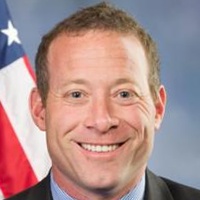
Josh Gottheimer
Representative
NJ
Josh Gottheimer
Representative
NJ
The Invest to Protect Act of 2025 establishes a new, streamlined grant program within the Department of Justice to support small local and Tribal law enforcement agencies (under 175 officers). These funds are specifically designated for officer training, mental health resources, and recruitment/retention bonuses. The law mandates a rapid application process and includes strict accountability measures, such as audits and public reporting of bonuses. Congress is authorized to appropriate up to $50 million annually for this program through fiscal year 2031.
This Act establishes federal minimum standards for public employee collective bargaining rights, allowing states to maintain their own laws if they meet or exceed these standards, otherwise the Federal Labor Relations Authority will enforce federal rules.
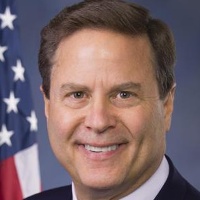
Donald Norcross
Representative
NJ
Donald Norcross
Representative
NJ
The Public Service Freedom to Negotiate Act of 2025 establishes federal minimum standards for collective bargaining rights for public employees across the nation. It requires the Federal Labor Relations Authority (FLRA) to review state laws to ensure they substantially provide these minimum rights, including the right to organize and bargain collectively. If a state fails to meet these standards, the FLRA will administer federal labor relations rules for the uncovered employees. The Act also prohibits strikes or lockouts that would measurably disrupt emergency or public safety services.
This resolution recognizes the 60th anniversary and significant scientific contributions of the Pacific Northwest National Laboratory (PNNL) to national security, energy, and environmental research.

Dan Newhouse
Representative
WA
Dan Newhouse
Representative
WA
This resolution formally recognizes the 60th anniversary of the Pacific Northwest National Laboratory (PNNL) and commends its significant contributions to science, energy, and national security. Congress acknowledges PNNL's evolution from a nuclear research facility to a major national laboratory driving innovation across critical sectors. The bill celebrates the lab's extensive research, collaborations, and commitment to developing future STEM talent.
This bill establishes financial incentives for deploying grid-enhancing technologies and mandates improved reporting on transmission congestion costs.
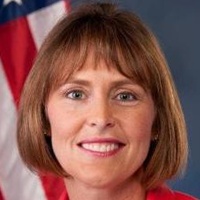
Kathy Castor
Representative
FL
Kathy Castor
Representative
FL
The Advancing GETs Act of 2025 aims to modernize the electric grid by incentivizing the adoption of Grid-Enhancing Technologies (GETs) through a shared savings program managed by FERC. The bill also mandates annual reporting on transmission congestion costs to improve transparency and requires the Department of Energy to create a public application guide and clearinghouse for GETs deployment. Ultimately, this legislation seeks to increase grid capacity, reliability, and efficiency using existing infrastructure.
The No Tax Breaks for Union Busting Act denies businesses tax deductions for expenses incurred while influencing employees regarding union organization and activities.
Donald Norcross
Representative
NJ
Donald Norcross
Representative
NJ
The No Tax Breaks for Union Busting (NTBUB) Act aims to disallow businesses from deducting federal income taxes for expenses incurred while attempting to influence employees regarding union organization or activities. This change is intended to stop companies from subsidizing anti-union campaigns through tax write-offs. The bill also establishes new, significant reporting requirements and penalties for businesses and third-party consultants who engage in these influence expenditures.
This Act allows employees to fully deduct union dues above the line and restores the itemized deduction for certain other job-related business expenses.
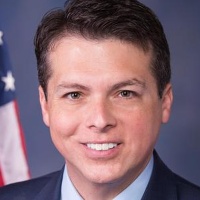
Brendan Boyle
Representative
PA
Brendan Boyle
Representative
PA
The Tax Fairness for Workers Act restores key federal tax deductions for employees, effective after 2024. This legislation makes union dues fully deductible "above the line," meaning they reduce Adjusted Gross Income without itemizing. Additionally, it allows itemizers to deduct certain other job-related business expenses that were previously limited.
Sammy's Law mandates that large social media platforms must provide secure, real-time access to third-party safety software chosen by parents to monitor and manage their children's accounts.
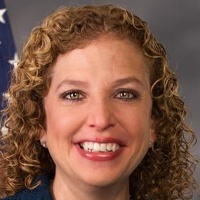
Debbie Wasserman Schultz
Representative
FL
Debbie Wasserman Schultz
Representative
FL
Sammy's Law aims to empower parents by requiring large social media platforms to provide secure access for third-party safety software to monitor and manage their children's accounts. This legislation establishes a national standard for this specific data access, while granting enforcement authority to the Federal Trade Commission (FTC). The law mandates strict data handling and deletion requirements for the third-party safety providers who register with the FTC.
The Impact Aid Infrastructure Partnership Act establishes federal and local partnerships to provide formula and competitive grants for urgently needed facility repairs and modernization in federally impacted school districts.

John Garamendi
Representative
CA
John Garamendi
Representative
CA
The Impact Aid Infrastructure Partnership Act establishes a four-year, \$250 million federal partnership to address critical facility needs in school districts heavily impacted by federal land. This bill creates competitive and formula grants prioritized by facility condition and local financial capacity, aiming to repair or modernize aging and unsafe school buildings. Funds are designed to supplement local efforts, with specific rules governing matching requirements and payment schedules based on a district's ability to borrow money.
This bill establishes a Department of Veterans Affairs program to designate and fund at least five geographically dispersed "Innovative Therapies Centers of Excellence" to research and provide cutting-edge treatments like MDMA and Psilocybin for conditions such as PTSD and chronic pain.
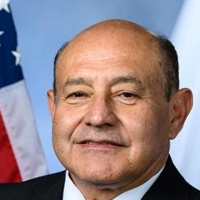
J. Correa
Representative
CA
J. Correa
Representative
CA
This bill establishes the Innovative Therapies Centers of Excellence Act of 2025, directing the Department of Veterans Affairs (VA) to designate at least five medical facilities as specialized hubs for cutting-edge treatments. These Centers of Excellence must focus on research, training partnerships, and clinical evaluation of innovative therapies for covered conditions like PTSD and chronic pain. The legislation specifically names substances such as MDMA and Psilocybin as part of the therapies to be explored, supported by dedicated annual funding.
The IDEA Full Funding Act establishes mandatory, increasing funding levels for the Individuals with Disabilities Education Act (IDEA) from 2026 through 2035, contingent upon offsetting budget cuts.
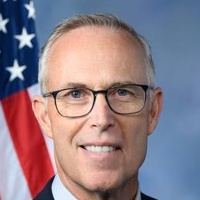
Jared Huffman
Representative
CA
Jared Huffman
Representative
CA
The IDEA Full Funding Act establishes mandatory, increasing funding levels for the Individuals with Disabilities Education Act (IDEA) programs through fiscal year 2035. This legislation sets specific appropriation targets based on student counts and national average spending to ensure greater financial support for special education services. Furthermore, the bill requires that these new IDEA appropriations adhere to "cut-as-you-go" budget offset rules.
The Reentry Act of 2025 allows inmates to receive Medicaid assistance during the 30 days preceding their release and mandates a comprehensive report on healthcare standards within correctional facilities.
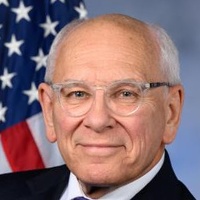
Paul Tonko
Representative
NY
Paul Tonko
Representative
NY
The Reentry Act of 2025 allows incarcerated individuals to receive medical assistance through Medicaid during the 30 days immediately preceding their release. This legislation also mandates a comprehensive report from MACPAC analyzing current healthcare standards within correctional facilities. The report will examine the impact of this coverage change and offer recommendations for improving healthcare access for those transitioning back into the community.
This Act mandates the Department of Labor to establish and enforce comprehensive workplace violence prevention standards for healthcare and social service workers, while also tying compliance to Medicare funding for certain facilities.
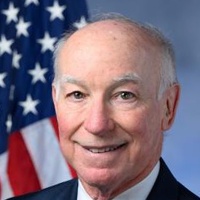
Joe Courtney
Representative
CT
Joe Courtney
Representative
CT
This Act mandates the Secretary of Labor to establish an interim and then a final standard requiring comprehensive workplace violence prevention plans for employers in the healthcare and social service sectors. These plans must be developed with employee input and detail risk assessments, hazard controls, reporting procedures, and annual training. Furthermore, the bill amends the Social Security Act to require Medicare-funded hospitals and skilled nursing facilities not covered by OSHA to comply with these new federal workplace violence prevention standards. The legislation also establishes clear definitions for workplace violence and includes strong anti-retaliation protections for employees who exercise their rights under the Act.
This bill prohibits the use of federal funds for the removal of 3 percent or more of the Department of Health and Human Services (HHS) employees or any of its sub-agencies within any 60-day period.
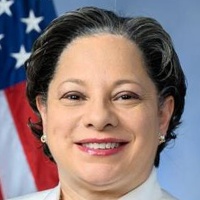
Jennifer McClellan
Representative
VA
Jennifer McClellan
Representative
VA
This bill restricts the use of federal funds to carry out large-scale removals of employees within the Department of Health and Human Services (HHS). Specifically, it prohibits using federal money for terminations if 3% or more of the total HHS workforce, or 3% or more of any individual sub-agency's staff, are removed within a 60-day period. This measure aims to prevent sudden, mass layoffs across the department and its major divisions.
The Hot Foods Act of 2025 lifts the general ban on purchasing ready-to-eat hot foods with SNAP benefits while imposing a sales cap on retailers that primarily sell such items.

Grace Meng
Representative
NY
Grace Meng
Representative
NY
The Hot Foods Act of 2025 removes the general federal ban on using Supplemental Nutrition Assistance Program (SNAP) benefits to purchase hot, ready-to-eat foods. This legislation clarifies that hot foods are now eligible for purchase with SNAP benefits, while also setting a new rule that limits SNAP-participating retailers to deriving no more than 50% of their gross sales from these ready-to-eat hot items. The act updates existing statutes to reflect this expanded purchasing power for recipients.
The Sarah Katz Caffeine Safety Act mandates clearer caffeine labeling on restaurant menus and packaged foods, initiates federal safety reviews by the FDA and NIH, and establishes public education and marketing studies regarding caffeine consumption.

Robert Menendez
Representative
NJ
Robert Menendez
Representative
NJ
The Sarah Katz Caffeine Safety Act mandates clearer caffeine labeling for restaurant chains and packaged foods, requiring warnings for items exceeding 150mg of caffeine. It also directs the FDA and NIH to conduct urgent safety reviews concerning caffeine consumption in the general population and vulnerable groups. Furthermore, the bill establishes a public education campaign on safe caffeine use and requires a GAO study on the marketing of caffeinated beverages, particularly toward youth.
This bill establishes new requirements for Medicare contractors and private Medicare plans to base prior authorization decisions strictly on medical necessity, involve practicing physicians in setting criteria, and increase transparency regarding their utilization review processes.
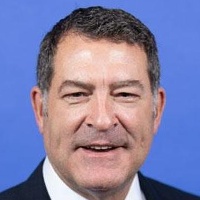
Mark Green
Representative
TN
Mark Green
Representative
TN
The Reducing Medically Unnecessary Delays in Care Act of 2025 aims to establish stricter federal standards for prior authorization decisions made by Medicare contractors and private Medicare plans. This bill mandates that coverage denials must be based on clear, evidence-based clinical criteria developed with input from practicing physicians. Furthermore, it requires plans to post their authorization rules online, provide advance notice of changes, and publicly report approval and denial statistics. Finally, all final denials of care must be reviewed and issued by a qualified, board-certified physician.
This bill designates numerous specific tracts of land across Utah as official Wilderness Areas to preserve their unique ecological, geological, and cultural values while establishing administrative rules for their management.
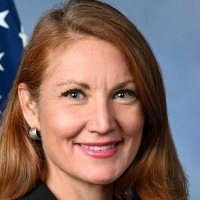
Melanie Stansbury
Representative
NM
Melanie Stansbury
Representative
NM
The America's Red Rock Wilderness Act focuses on designating numerous specific tracts of land across Utah as official Wilderness Areas, granting them the highest level of federal protection. This legislation aims to preserve the unique ecological, geological, and cultural values of these diverse landscapes from development. It also establishes administrative provisions for managing these new areas, including boundary definitions, water rights, and the continuation of existing uses like livestock grazing. Ultimately, the bill significantly expands protected wilderness in Utah while safeguarding critical natural and historical resources.