Legislative Activity
Track Kim's sponsored bills, co-sponsored legislation, and voting record
This bill expands the definition of "law enforcement officer" for federal retirement purposes under FERS and CSRS to include specific IRS, Postal Inspection, and VA police employees, and establishes rules for how current employees can count prior service under the new designation.
Andrew Garbarino
Representative
NY
Andrew Garbarino
Representative
NY
The Law Enforcement Officers Equity Act expands the definition of "law enforcement officer" for federal retirement purposes under both the Federal Employees Retirement System (FERS) and the Civil Service Retirement System (CSRS). This change adds specific IRS, Postal Inspection Service, and VA police roles to those eligible for enhanced retirement benefits. The bill also establishes procedures for current officers to elect to have their prior service counted under these new definitions, which may require a payment from the employee and their employing agency.
The Farm Workforce Modernization Act of 2025 establishes pathways to legal status for current agricultural workers, reforms the H-2A visa program, and mandates a modernized electronic employment verification system.
Zoe Lofgren
Representative
CA
Zoe Lofgren
Representative
CA
The Farm Workforce Modernization Act of 2025 aims to stabilize the agricultural labor force by creating a pathway to legal status for current undocumented farmworkers and modernizing the H-2A temporary worker program. The bill also mandates the implementation of a new, high-security electronic employment verification system across all industries, with specific deadlines for agricultural employers. Overall, it seeks to secure the existing workforce while establishing new compliance standards and protections for future agricultural labor.
This Act expands the Summer Electronic Benefits Transfer for Children program to provide food assistance during school closures and updates benefit calculations and administrative cost sharing.
Mike Levin
Representative
CA
Mike Levin
Representative
CA
The Stop Child Hunger Act of 2025 expands the Summer Electronic Benefits Transfer (EBT) for Children program to cover periods when schools are closed or operating remotely. This ensures children receive benefits covering breakfast, lunch, and a snack for every day during these closures, starting in 2025. The bill also updates federal cost-sharing for state administrative expenses and establishes new grants to help states upgrade their data systems for the expanded program.
This resolution expresses support for designating May 5, 2025, as the "National Day of Awareness for Missing and Murdered Indigenous Women and Girls" while urging action to address the crisis of violence against Native women and girls.
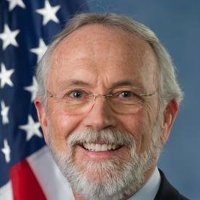
Dan Newhouse
Representative
WA
Dan Newhouse
Representative
WA
This resolution expresses the House of Representatives' support for designating May 5, 2025, as the "National Day of Awareness for Missing and Murdered Indigenous Women and Girls." It highlights the severe crisis of violence against Native women and girls and calls for remembrance and support for affected families. Additionally, the bill urges the Department of Justice to conduct an updated study on the data surrounding this ongoing national tragedy.
This Act establishes federal penalties for assaulting hospital personnel and creates a grant program to help medical facilities improve workforce safety.

Madeleine Dean
Representative
PA
Madeleine Dean
Representative
PA
The Save Healthcare Workers Act aims to protect hospital personnel by making assault against them a federal crime with severe penalties. It also establishes a new federal grant program to help hospitals implement crucial safety measures, such as violence prevention training and physical security upgrades. This legislation seeks to reduce workplace violence in healthcare settings across the nation.
This bill bans the manufacture, sale, and transfer of specific semiautomatic assault weapons and large-capacity ammunition feeding devices while grandfathering existing possessions and establishing new transfer requirements.
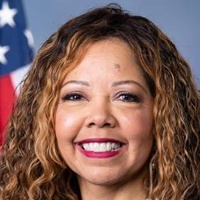
Lucy McBath
Representative
GA
Lucy McBath
Representative
GA
The Assault Weapons Ban of 2025 comprehensively defines and bans the manufacture, sale, and transfer of specific semiautomatic assault weapons and large capacity ammunition feeding devices. The bill grandfathers existing weapons but imposes new requirements for their secure storage and mandates dealer involvement for future private transfers. It also allows federal grant money to be used by states for buy-back programs targeting these banned items.
The Better CARE for Animals Act of 2025 strengthens the enforcement of the Animal Welfare Act by expanding investigative authority, establishing new civil penalties up to \$10,000 per day, and explicitly granting the Attorney General power to file civil actions, including seeking seizure and forfeiture of animals.
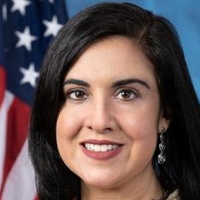
Nicole Malliotakis
Representative
NY
Nicole Malliotakis
Representative
NY
The Better CARE for Animals Act of 2025 significantly strengthens enforcement of the Animal Welfare Act by clarifying definitions and expanding the scope of investigations. It grants the Attorney General explicit authority to file civil actions seeking penalties up to $10,000 per day, and mandates that collected fines help cover temporary animal care costs. The bill also requires the Secretary of Agriculture and the Attorney General to establish a formal agreement for coordinated enforcement.
This bill repeals the Arctic National Wildlife Refuge oil and gas program and designates over 1.5 million acres of the refuge as protected wilderness.
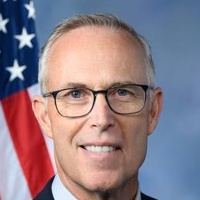
Jared Huffman
Representative
CA
Jared Huffman
Representative
CA
The Arctic Refuge Protection Act officially repeals the previous law authorizing oil and gas leasing in the Arctic National Wildlife Refuge. This legislation simultaneously designates approximately 1.56 million acres within the Refuge as protected wilderness under the National Wilderness Preservation System. The Secretary of the Interior is now required to manage this newly designated land according to strict wilderness preservation standards.
The Agriculture Resilience Act of 2025 mandates aggressive national goals to achieve net-zero agricultural emissions by 2040 through sweeping changes in research funding, soil management, livestock practices, and conservation programs.

Chellie Pingree
Representative
ME
Chellie Pingree
Representative
ME
The Agriculture Resilience Act of 2025 establishes aggressive national goals for the agricultural sector to achieve net-zero greenhouse gas emissions by 2040, mandating rapid changes in farming practices, research funding, and land management. It significantly reforms federal conservation and insurance programs to prioritize soil health, climate adaptation, and the development of resilient food systems. The bill also boosts support for on-farm renewable energy, strengthens local food infrastructure, and standardizes food labeling to reduce waste. Overall, it directs substantial federal resources toward transforming agriculture to meet ambitious climate targets while supporting farmers through new incentives and research.
This bill strengthens local meat and poultry processing by providing HACCP resources, increasing federal inspection cost-sharing, expanding interstate shipment eligibility, establishing resilience grants, and funding workforce training programs.
Chellie Pingree
Representative
ME
Chellie Pingree
Representative
ME
The Strengthening Local Processing Act of 2025 aims to bolster small and very small meat and poultry processors by providing enhanced HACCP guidance and resources. The bill also increases federal cost-sharing for state inspection programs and expands opportunities for interstate shipment. Finally, it establishes new grant programs to improve processing resilience and fund workforce training initiatives for the sector.
The Equality Act comprehensively prohibits discrimination based on sex, sexual orientation, and gender identity across key areas including public accommodations, employment, housing, credit, and jury service.
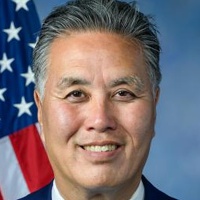
Mark Takano
Representative
CA
Mark Takano
Representative
CA
The Equality Act comprehensively expands federal civil rights protections against discrimination based on sex, sexual orientation, and gender identity across key areas of American life. It amends existing laws to prohibit discrimination in public accommodations, housing, credit, employment, and federal funding. The purpose of the bill is to provide consistent, explicit, and comprehensive remedies for individuals facing bias in these essential sectors.
This Act mandates a study to assess the feasibility of manufacturing essential, currently imported critical infrastructure products within the United States.
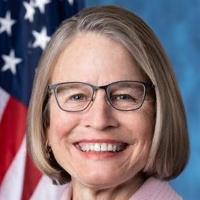
Mariannette Miller-Meeks
Representative
IA
Mariannette Miller-Meeks
Representative
IA
The Critical Infrastructure Manufacturing Feasibility Act mandates the Secretary of Commerce to conduct a comprehensive study on the domestic manufacturing capabilities for essential products across the 16 critical infrastructure sectors. This study will identify key imported items, analyze the economic and employment impacts of producing them domestically, and recommend feasible products for U.S. production. The findings and specific manufacturing suggestions will then be reported to Congress and made publicly available.
This Act mandates that group health plans and insurers must cover diagnostic and supplemental breast examinations without any out-of-pocket cost-sharing requirements for plan years beginning on or after January 1, 2026.

Debbie Dingell
Representative
MI
Debbie Dingell
Representative
MI
The Access to Breast Cancer Diagnosis Act of 2025 ensures that group health plans and insurers must cover diagnostic and supplemental breast examinations with no out-of-pocket costs for patients. This means no deductibles, copayments, or coinsurance will apply to these necessary exams. These provisions take effect for plan years beginning on or after January 1, 2026.
This Act authorizes the President to impose sanctions, including asset freezes and visa bans, on foreign individuals involved in violence, property destruction, or displacement in the West Bank.
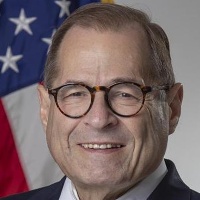
Jerrold Nadler
Representative
NY
Jerrold Nadler
Representative
NY
The West Bank Violence Prevention Act of 2025 declares extreme settler violence and displacement in the West Bank a threat to U.S. national security interests. This Act mandates the President to impose sanctions, including asset freezes and visa bans, on foreign individuals responsible for undermining peace and stability in the region. The Treasury Department must report to Congress on the implementation of these sanctions every 90 days.
The Historic Tax Credit Growth and Opportunity Act of 2025 modifies rehabilitation tax credits by increasing rates for small projects, eliminating basis adjustments, and changing eligibility rules for various building improvements.
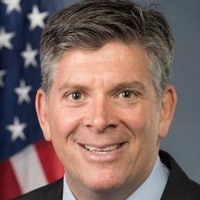
Darin LaHood
Representative
IL
Darin LaHood
Representative
IL
The Historic Tax Credit Growth and Opportunity Act of 2025 significantly enhances historic rehabilitation tax incentives. It establishes a permanent 20% credit rate for qualified expenditures and introduces an optional 30% credit for smaller projects, which includes the ability to transfer the credit. Furthermore, the bill simplifies calculations by eliminating the requirement to reduce the property's basis when claiming the credit.
The Youth Workforce Readiness Act of 2025 establishes grants for out-of-school programs run by community organizations to prepare eligible youth (ages 6-18) for employment through work experience, training, and mentorship, while also strengthening local Youth Councils.
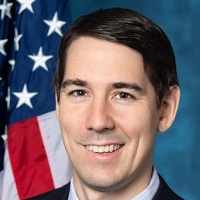
Josh Harder
Representative
CA
Josh Harder
Representative
CA
The Youth Workforce Readiness Act of 2025 establishes a competitive grant program to fund national organizations in developing comprehensive, out-of-school workforce readiness programs for youth aged 6 to 18. This Act aims to boost employment opportunities by connecting youth education and training with employer needs through community partnerships. Furthermore, it strengthens youth voices by mandating the reestablishment and integration of Youth Councils within local workforce boards to advise on training and readiness initiatives.
This act increases the maximum loan amounts available to small businesses under certain SBA programs and mandates annual reporting on the distribution of those enhanced loans.
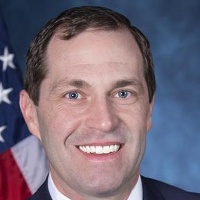
Jason Crow
Representative
CO
Jason Crow
Representative
CO
The Small Business Energy Loan Enhancement Act significantly increases the maximum loan amounts available to eligible small businesses under specific Small Business Administration (SBA) programs, raising the limit from $\$5.5$ million to $\$10$ million. This legislation also mandates that the SBA report annually to Congress detailing the industries and geographic areas benefiting from these enhanced loan categories. The goal is to provide greater financial resources for small businesses through SBA lending.
This Act establishes an Advisory Council to survey needs, identify best practices, and disseminate comprehensive resources for victims of all forms of gun violence.
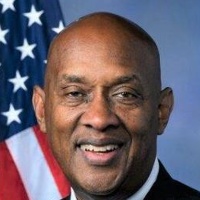
Dwight Evans
Representative
PA
Dwight Evans
Representative
PA
The Resources for Victims of Gun Violence Act of 2025 establishes an Advisory Council, led by HHS, to assess the needs of gun violence victims and service providers. This Council will survey stakeholders, review existing support programs, and identify best practices for medical, financial, and mental health assistance. Its primary function is to compile and widely distribute a comprehensive list of available federal, state, and nonprofit resources to ensure victims can easily access necessary aid.
This act establishes a federal program to gather, research, and disseminate critical health information regarding concussions and traumatic brain injuries among public safety officers.

Dan Crenshaw
Representative
TX
Dan Crenshaw
Representative
TX
The Public Safety Officer Concussion and Traumatic Brain Injury Health Act of 2025 directs the CDC to gather and publicly share critical information regarding concussions and TBIs affecting public safety officers. This effort includes developing evidence-based practices for diagnosis, treatment, and prevention of these injuries. The resulting data will be disseminated through an updated CDC website and various outreach efforts to medical professionals, employers, and the families of officers.
This Act permanently prohibits new oil and gas exploration, development, and production on the Outer Continental Shelf off the coasts of California, Oregon, and Washington.
Jared Huffman
Representative
CA
Jared Huffman
Representative
CA
The West Coast Ocean Protection Act of 2025 permanently prohibits all new oil and gas exploration, development, and production on the Outer Continental Shelf off the coasts of California, Oregon, and Washington. This legislation specifically bans the Secretary of the Interior from issuing any new leases or permissions for drilling activities in designated planning areas. The goal is to secure long-term protection for these vital West Coast marine environments.