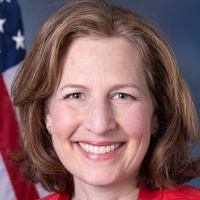
Legislative Activity
Track Kim's sponsored bills, co-sponsored legislation, and voting record
The "Protect and Serve Act of 2025" establishes federal penalties for intentionally causing serious harm or death to law enforcement officers because of their position, under certain circumstances, and requires Attorney General certification for federal prosecution in many cases.
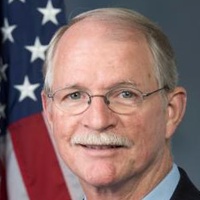
John Rutherford
Representative
FL
John Rutherford
Representative
FL
The "Protect and Serve Act of 2025" creates federal offenses for intentionally causing serious injury or death to law enforcement officers because of their status as officers. It sets penalties including imprisonment and fines, with increased penalties if death results or if kidnapping or attempted killing is involved. Federal prosecution requires certification from the Attorney General, based on a request from the state or if it is in the public interest to ensure substantial justice. The act defines "law enforcement officer" and "State" for the purposes of the new offenses.
The REPAIR Act ensures vehicle owners and independent repair shops have access to vehicle data and repair information, promoting competition and protecting data privacy in the auto repair industry.
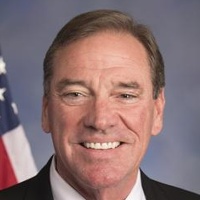
Neal Dunn
Representative
FL
Neal Dunn
Representative
FL
The "Right to Equitable and Professional Auto Industry Repair Act" or the "REPAIR Act" ensures vehicle owners and independent repair shops have access to necessary vehicle data, repair information, and tools, preventing manufacturers from creating barriers to repairs. It establishes an advisory committee to address competition issues in the auto repair industry and mandates that car buyers are informed of their rights to choose repair options. The Federal Trade Commission (FTC) is empowered to enforce the Act, protecting consumers from unfair restrictions on vehicle repair and ensuring control over their vehicle data.
The Federal Retirement Fairness Act allows temporary employees' service after 1988 to count toward retirement benefits under the Federal Employees Retirement System.

Gerald Connolly
Representative
VA
Gerald Connolly
Representative
VA
The Federal Retirement Fairness Act amends title 5 of the United States Code, allowing civilian service in a temporary position after December 31, 1988, to be creditable under the Federal Employees Retirement System. This change applies to current employees and Members of the United States Postal Service, and requires the Office of Personnel Management to notify eligible individuals and issue implementing regulations.
The "Delivering for Rural Seniors Act of 2025" establishes a pilot program providing grants to states for home delivery of commodities to low-income elderly people, especially in rural areas, from 2026-2028.
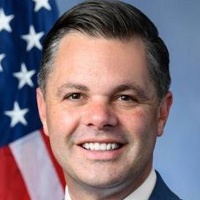
Zachary (Zach) Nunn
Representative
IA
Zachary (Zach) Nunn
Representative
IA
The "Delivering for Rural Seniors Act of 2025" aims to improve food access for low-income elderly individuals in rural areas by establishing a pilot program for home delivery of commodities. The program will award grants to state agencies, prioritizing those serving rural areas, to cover costs associated with transportation, staffing, and outreach. This act authorizes $10 million annually from 2026 to 2028 for these initiatives.
The PREVENT DIABETES Act expands access to the Medicare Diabetes Prevention Program by allowing virtual-only providers to participate and serve beneficiaries across state lines from 2026-2030.

Diana DeGette
Representative
CO
Diana DeGette
Representative
CO
The PREVENT DIABETES Act aims to expand access to the Medicare Diabetes Prevention Program (MDPP) by allowing entities to participate solely through online services from January 1, 2026, through December 31, 2030. It requires the Secretary of Health and Human Services to update regulations by January 1, 2026, to accommodate virtual suppliers, ensuring they meet MDPP enrollment conditions. This act also ensures that these entities will not be denied claim payments for online MDPP services solely because the beneficiary was in a different state when the services were provided and places no limit on the number of times an individual may enroll in the MDPP.
The "Accelerating Kids’ Access to Care Act of 2025" streamlines Medicaid and CHIP enrollment for out-of-state providers, increasing healthcare access for children.
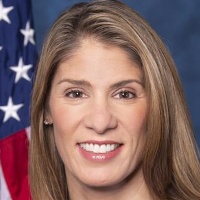
Lori Trahan
Representative
MA
Lori Trahan
Representative
MA
The "Accelerating Kids Access to Care Act of 2025" streamlines the enrollment process for out-of-state healthcare providers in Medicaid and CHIP, ensuring children under 21 have access to care from eligible providers across state lines. By reducing administrative burdens and unnecessary screening requirements, the Act aims to improve healthcare access for children while maintaining necessary safeguards against fraud and abuse. Participating providers will be enrolled for a 5-year period, and the changes will take effect three years after the Act's enactment.
The "MODERN WIC Act of 2025" expands remote access to WIC benefits by allowing virtual certification appointments, remote benefit issuance, and requires a report to Congress on the use of remote technologies within the WIC program.
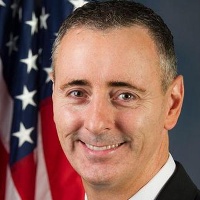
Brian Fitzpatrick
Representative
PA
Brian Fitzpatrick
Representative
PA
The MODERN WIC Act of 2025 aims to modernize the WIC program by expanding options for remote certification appointments, including telephone and video calls, and allowing for remote delivery of food benefits. It requires state agencies to offer various formats for certification appointments, ensuring accessibility for individuals with disabilities. The Act also mandates a report to Congress on the use of remote technologies in WIC, focusing on their impact and best practices.
This bill ensures that Native American patients are not held liable for the cost of purchased/referred healthcare and mandates reimbursements for past out-of-pocket expenses.
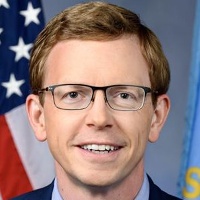
Dusty Johnson
Representative
SD
Dusty Johnson
Representative
SD
The "Purchased and Referred Care Improvement Act of 2025" ensures that Native American patients are not liable for the cost of purchased/referred care, and mandates a process for reimbursing patients who have already paid for such services. It updates the Indian Health Care Improvement Act by replacing the term "contract health service" with "purchased/referred care" to modernize the language used in the Act. These changes aim to streamline the payment process and reduce the financial burden on patients.
This bill amends the Civilian Health and Medical Program of the Department of Veterans Affairs (CHAMPVA) to extend eligibility for medical care to children until their 26th birthday, regardless of marital status.
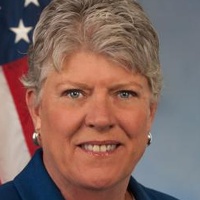
Julia Brownley
Representative
CA
Julia Brownley
Representative
CA
The CHAMPVA Children's Care Protection Act of 2025 amends the eligibility requirements for the Civilian Health and Medical Program of the Department of Veterans Affairs (CHAMPVA). This act increases the maximum age for eligible children to receive medical care under the program to 26 years old, regardless of their marital status. This change does not affect benefits for children incapable of self-support and takes effect for medical care provided on or after the enactment of this act.
The Secure Rural Schools Reauthorization Act of 2025 extends federal funding and program authorities for states and counties containing national forest land through 2026.
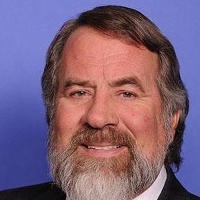
Doug LaMalfa
Representative
CA
Doug LaMalfa
Representative
CA
The Secure Rural Schools Reauthorization Act of 2025 extends critical federal funding for states and counties containing national forest land through 2026. This legislation ensures the continuation of essential community services and maintains the authority for resource advisory committees and local special projects.
The "More Homes on the Market Act" increases the tax exclusion for profit from the sale of a primary residence, incentivizing homeowners to sell and increasing housing supply.
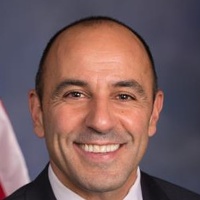
Jimmy Panetta
Representative
CA
Jimmy Panetta
Representative
CA
The "More Homes on the Market Act" increases the tax exclusion for profit from the sale of a primary residence, raising it to $500,000 for single filers and $1,000,000 for married couples filing jointly. These amounts will be adjusted for inflation starting in 2025. This change encourages homeowners to sell their properties, thereby increasing the availability of homes on the market.
This bill establishes an Office of Gun Violence Prevention within the Department of Justice to coordinate gun violence prevention efforts, evaluate related programs and policies, recommend evidence-based strategies, and assist communities affected by gun violence.
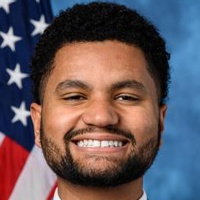
Maxwell Frost
Representative
FL
Maxwell Frost
Representative
FL
The "Office of Gun Violence Prevention Act of 2025" establishes an Office of Gun Violence Prevention within the Department of Justice, led by a Director appointed by the Attorney General, to coordinate gun violence prevention efforts, evaluate related laws and programs, and recommend evidence-based policies to Congress and the President. The Director will also convene an advisory council comprising various officials and at least 12 additional individuals representing gun violence survivors, community violence intervention service providers, and other relevant groups. The Office will also assist communities affected by gun violence with crisis response activities, such as providing access to mental health services and suicide prevention resources. Finally, the act authorizes the appropriation of necessary funds to carry out the provisions of the bill.
The EAGLES Act of 2025 codifies and expands the National Threat Assessment Center to prevent targeted violence through research, training, and multidisciplinary collaboration, particularly in schools.
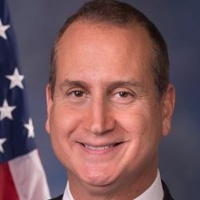
Mario Diaz-Balart
Representative
FL
Mario Diaz-Balart
Representative
FL
The EAGLES Act of 2025 codifies and expands the National Threat Assessment Center within the Secret Service to focus on preventing targeted violence through research, training, and information sharing. It establishes a national program on targeted school violence prevention, mandating research, training courses, and coordination among various departments and agencies. The Act authorizes \$10 million annually from 2026 to 2030 for these activities, emphasizing early intervention and support for individuals exhibiting concerning behavior, while explicitly prohibiting the use of funds for firearms training. This act aims to standardize threat assessment and prevention practices at all levels, ensuring a proactive and comprehensive approach to school safety.
The Honoring Our Fallen Heroes Act of 2025 expands public safety officer benefits to include disability and death coverage for certain cancers presumed to be caused by on-duty exposure to carcinogens, and clarifies "line of duty" definitions for first responder benefits.
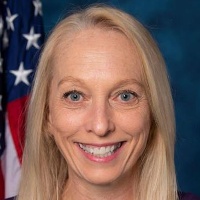
Mary Scanlon
Representative
PA
Mary Scanlon
Representative
PA
The Honoring Our Fallen Heroes Act of 2025 expands public safety officer benefits to include deaths and disabilities caused by exposure-related cancers, presuming that certain cancers diagnosed within 15 years of service are line-of-duty injuries if the officer served for at least 5 years. It defines "exposure-related cancer" and allows for updates to the list based on medical evidence, while also permitting individuals to petition for additions. The Act also clarifies "line of duty action" and applies retroactively to claims dating back to January 1, 2020, with a three-year window for filing claims based on these amendments.
The Rural Obstetrics Readiness Act aims to improve maternal health care in rural areas by establishing training programs, providing grant funding for equipment and supplies, creating a teleconsultation pilot program, and studying obstetric units in rural areas.
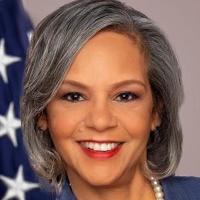
Robin Kelly
Representative
IL
Robin Kelly
Representative
IL
The Rural Obstetrics Readiness Act aims to improve maternal health outcomes in rural areas by establishing programs to train healthcare providers in obstetric emergency care, provide funding for necessary equipment and workforce development, implement teleconsultation programs, and study the challenges facing rural obstetric units. The Act authorizes grants for training, equipment, and telehealth programs, and requires a study on rural maternity ward closures and patient transport patterns.
This Act allows schools participating in the National School Lunch Program to offer organic or non-organic whole milk alongside other options, while clarifying saturated fat accounting and restricting milk sourcing from China state-owned enterprises.
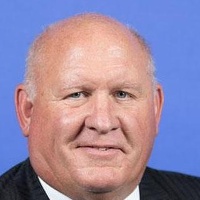
Glenn Thompson
Representative
PA
Glenn Thompson
Representative
PA
The Whole Milk for Healthy Kids Act of 2025 expands milk options available to students in the National School Lunch Program by allowing schools to offer organic or non-organic whole milk. This legislation provides greater flexibility for schools in providing fluid milk choices while maintaining accommodations for students with special dietary needs. Importantly, the saturated fat content of these offered milk options will not count toward the meal's overall saturated fat limits.
The "National Plan for Epilepsy Act" aims to create a comprehensive national strategy to improve epilepsy prevention, diagnosis, treatment, and research through coordinated federal efforts and an advisory council.
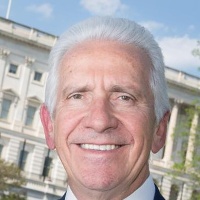
Jim Costa
Representative
CA
Jim Costa
Representative
CA
The "National Plan for Epilepsy Act" aims to address the significant impact of epilepsy by establishing a comprehensive national plan for its prevention, diagnosis, treatment, and cure. This act mandates the creation of an Advisory Council on Epilepsy Research, Care, and Services, composed of federal and non-federal experts, to evaluate and improve federally funded epilepsy efforts. The council will provide recommendations to enhance coordination, diagnosis, treatment, research, and public awareness, and reduce the financial burden of epilepsy on families. Ultimately, the act seeks to improve the lives of individuals with epilepsy and their caregivers through coordinated research, improved access to care, and enhanced public awareness.
This bill allows states to use Medicaid to pay primary care providers directly, including through value-based care models, and requires a report on the quality and cost of these arrangements.

Dan Crenshaw
Representative
TX
Dan Crenshaw
Representative
TX
The "Medicaid Primary Care Improvement Act" allows states to use Medicaid funds for direct agreements with healthcare providers, including value-based care models and direct primary care arrangements. It requires the Secretary of Health and Human Services to gather input and issue guidance to states on implementing these arrangements. Additionally, the Act mandates a report to Congress analyzing state contracts with independent physicians and the quality/cost of care in direct primary care arrangements within Medicaid. This aims to improve primary care access and quality within the Medicaid program without altering existing cost-sharing or limiting medical assistance.
The "Rural Physician Workforce Production Act of 2025" aims to boost the number of physicians practicing in rural areas by establishing a new payment system for hospitals training medical residents in rural locations and adjusting graduate medical education funding.
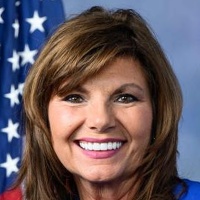
Diana Harshbarger
Representative
TN
Diana Harshbarger
Representative
TN
The "Rural Physician Workforce Production Act of 2025" aims to boost the number of physicians practicing in rural areas by establishing a new payment system to support medical resident training in those locations. This includes an "elective rural sustainability per resident payment" to hospitals training residents in rural areas and adjusts graduate medical education funding to further support rural training programs. The Act ensures that hospitals training residents in rural areas receive additional financial support, without being subject to existing program limitations, to cover the costs of training. It also includes provisions to maintain budget neutrality within Medicare's medical education spending.
The "Help Our Kelp Act of 2025" establishes a grant program through NOAA to fund kelp forest conservation, restoration, and management projects, prioritizing native kelp and ecosystem resilience.
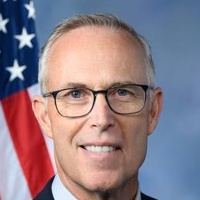
Jared Huffman
Representative
CA
Jared Huffman
Representative
CA
The "Help Our Kelp Act of 2025" establishes a grant program within NOAA to support the conservation, restoration, and management of kelp forest ecosystems, prioritizing native wild kelp. Grants will be awarded to various entities, including the fishing industry, educational institutions, and tribal organizations, for projects that enhance ecosystem resilience, restore natural food chains, and integrate Indigenous knowledge. The federal share of funding for a project cannot exceed 85% of the total project cost, and a minimum of $750,000 per year is reserved for grants to Indian Tribes. The act authorizes $5,000,000 annually from 2026 through 2030 for these initiatives.