Legislative Activity
Track W.'s sponsored bills, co-sponsored legislation, and voting record
This bill mandates increased public transparency regarding detailed Medicare spending data by HHS, requires MedPAC to conduct annual, apples-to-apples comparisons of Medicare Advantage and traditional Medicare expenditures, and updates the Trustees' annual report with categorized spending information.
Aaron Bean
Representative
FL
Aaron Bean
Representative
FL
The Apples to Apples Comparison Act of 2025 mandates greater public transparency regarding Medicare spending by requiring the Secretary of HHS to publish detailed, machine-readable expenditure data broken down by county and beneficiary type. Furthermore, the bill requires the Medicare Payment Advisory Commission (MedPAC) to annually compare the average cost of Medicare Advantage enrollees versus traditional Medicare beneficiaries, accounting for plan differences and risk factors. Finally, the Medicare Trustees must also report detailed expenditure information categorized by specific beneficiary enrollment statuses.
This bill expands the scope of expedited removal procedures by streamlining the inspection process for applicants seeking admission to the United States.
Nancy Mace
Representative
SC
Nancy Mace
Representative
SC
The Expedited Removal Expansion Act of 2025 modifies immigration inspection procedures by streamlining references to inadmissibility grounds under Section 235(b)(1) of the Immigration and Nationality Act. This legislation removes specific exceptions related to misrepresentation and documentation requirements during initial entry screenings. The bill simplifies the language officers use when determining inadmissibility for applicants seeking admission to the U.S.
This Act halts federal funding to any state or local jurisdiction deemed "lawless" by the Attorney General based on criteria involving failure to maintain order or refusal of federal assistance.
Nancy Mace
Representative
SC
Nancy Mace
Representative
SC
The Lawless Cities Accountability Act of 2025 authorizes the Attorney General to designate jurisdictions as "lawless" if they fail to maintain public order or actively impede law enforcement. Jurisdictions labeled as lawless will immediately cease receiving federal funding. Funds can only be restored after a minimum 180-day waiting period and official recertification by the Attorney General.
This bill prohibits males from participating in athletic programs or activities designated for women or girls at the U.S. military service academies.
Dusty Johnson
Representative
SD
Dusty Johnson
Representative
SD
This bill prohibits males from participating in any athletic program or activity at the U.S. military service academies that is designated for women or girls. It mandates that sex in this context is defined by reproductive biology and genetics at birth. While males may practice with women's teams, they cannot displace female athletes from rosters, competition opportunities, or scholarships.
This bill amends House rules to mandate criminal background checks for all House employees by the U.S. Capitol Police and requires employees to publicly report any past payments or current citizenship related to foreign governments.
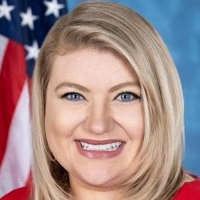
Katherine Cammack
Representative
FL
Katherine Cammack
Representative
FL
This bill amends the Rules of the House of Representatives to mandate criminal background checks conducted by the U.S. Capitol Police for all House employees. Additionally, it requires current and new House employees to publicly disclose any prior payments or contracts received from foreign governments within the last three years. Employees must also report any current foreign citizenship status. These new requirements apply starting with the One Hundred Nineteenth Congress.
This bill mandates the denial or revocation of U.S. passports for individuals charged with or convicted of providing material support to foreign terrorist organizations.
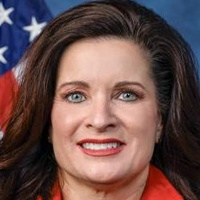
Sheri Biggs
Representative
SC
Sheri Biggs
Representative
SC
The No Passports for Terrorists and Traffickers Act mandates the denial or revocation of U.S. passports for individuals charged with or convicted of providing material support to designated foreign terrorist organizations. This measure grants the Secretary of State the authority to restrict travel for those deemed affiliated with terrorism. Exceptions exist for urgent humanitarian needs or safe return to the United States, and affected individuals retain the right to appeal the decision.
The SAFE Cities Act establishes a process for identifying and restricting federal funding to local jurisdictions that refuse to take reasonable steps to stop violence and property destruction.
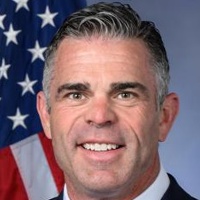
Tony Wied
Representative
WI
Tony Wied
Representative
WI
The SAFE Cities Act establishes a process for the Attorney General to officially designate certain state or local governments as "anarchist jurisdictions" based on their failure to take reasonable steps to stop violence and property destruction. Once designated, these jurisdictions will face restrictions or unfavorable treatment regarding the distribution of federal grants. The criteria focus on local policies that hinder law enforcement's ability to restore order or that involve significant cuts to police funding.
The ANTE Act empowers the U.S. Trade Representative to impose new duties on goods produced in third countries by entities attempting to evade existing U.S. trade duties imposed on nonmarket economy countries.
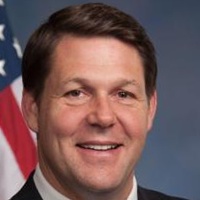
Jodey Arrington
Representative
TX
Jodey Arrington
Representative
TX
The ANTE Act, or Axing Nonmarket Tariff Evasion Act, empowers the U.S. Trade Representative (USTR) to investigate and impose new duties on goods produced in third countries by entities attempting to evade existing U.S. trade duties imposed on nonmarket economy countries. This tool allows the USTR to crack down on companies moving production specifically to circumvent Section 301 tariffs. If evasion is confirmed, remedial measures, including new duties matching the original rate, can be applied to the goods made in the third country.
Connor's Law mandates that commercial motor vehicle operators must demonstrate the ability to read and speak English sufficiently to perform essential driving and reporting tasks, or face immediate out-of-service orders.
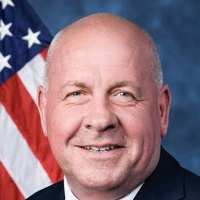
David Taylor
Representative
OH
David Taylor
Representative
OH
Connor's Law establishes a mandatory English language proficiency requirement for all commercial motor vehicle (CMV) operators seeking a Commercial Driver's License (CDL). This ensures drivers can effectively communicate, understand traffic signs, and complete necessary documentation in English. Failure to meet this standard will result in an immediate out-of-service order for the driver.
This bill mandates that funeral honors details recite the "13 Folds of Honor" during the flag folding ceremony for deceased service members or veterans, unless the next of kin opts out.
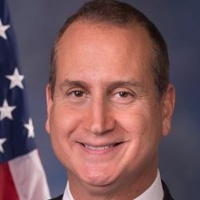
Mario Diaz-Balart
Representative
FL
Mario Diaz-Balart
Representative
FL
This bill mandates that funeral honors details recite a specific statement detailing the symbolism of the 13 Folds of Honor during the presentation of the U.S. flag for a deceased service member or veteran. This ceremony is dedicated to the 13 service members killed in Kabul in 2021. However, the next of kin retains the right to opt out of this specific recitation.
This resolution calls upon all Americans to observe Memorial Day 2025 by honoring the service members who died defending freedom and peace.
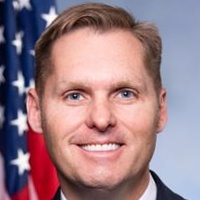
Michael Guest
Representative
MS
Michael Guest
Representative
MS
This resolution calls upon all Americans to observe Memorial Day, 2025, as a solemn occasion to honor the men and women of the Armed Forces who made the ultimate sacrifice in the pursuit of freedom and peace. Congress recognizes the profound debt owed to these patriots who have died defending American values globally. The bill encourages a national expression of respect, pride, and gratitude for their service and sacrifice.
The DEFIANCE Act of 2025 establishes a federal civil right of action against the creation, possession with intent to share, or sharing of nonconsensual sexually explicit digital forgeries, or "deepfakes."
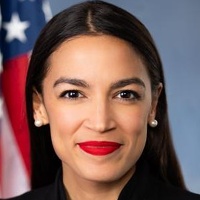
Alexandria Ocasio-Cortez
Representative
NY
Alexandria Ocasio-Cortez
Representative
NY
The DEFIANCE Act of 2025 establishes a federal civil cause of action against the creation, possession with intent to share, or sharing of nonconsensual intimate digital forgeries, often known as deepfakes. This legislation updates existing law to specifically address image-based sexual abuse created through AI or digital manipulation, regardless of whether the image is labeled as fake. Victims can sue for significant statutory damages, attorney's fees, and injunctive relief to stop the spread of the harmful content. The Act ensures that this new federal standard does not preempt or limit stronger existing State or Tribal laws.
This resolution condemns former FBI Director James Comey for allegedly inciting violence against President Trump through a cryptic social media post and demands an investigation and his permanent barring from federal employment.
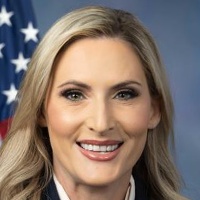
Laurel Lee
Representative
FL
Laurel Lee
Representative
FL
This resolution strongly condemns former FBI Director James Comey for a social media post interpreted as inciting violence against President Donald J. Trump during his overseas trip. Congress demands that federal authorities investigate Comey's actions and permanently bar him from any future federal employment. The measure asserts that political violence incitement by former high-ranking officials is unacceptable and threatens national security.
This act, also known as the COUNTER Act, updates the Department of Defense's authority and procedures for neutralizing drone threats to U.S. assets while ensuring related security information remains confidential.
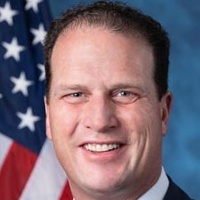
August Pfluger
Representative
TX
August Pfluger
Representative
TX
The COUNTER Act enhances the Department of Defense's authority to neutralize threats from unmanned aircraft systems targeting U.S. assets. This legislation delegates specific response powers and updates mitigation rules for drone threats. Crucially, it exempts sensitive information regarding these counter-drone technologies and procedures from public disclosure under the Freedom of Information Act. The bill also adjusts several deadlines and clarifies the applicability of certain federal laws when operating overseas to counter these threats.
The PELOSI Act bans Members of Congress and their spouses from trading or holding most securities and investments while in office, requiring divestment within 180 days and imposing penalties for non-compliance.
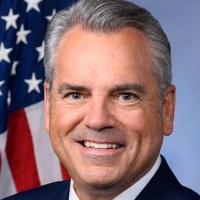
Mark Alford
Representative
MO
Mark Alford
Representative
MO
The Preventing Elected Leaders from Owning Securities and Investments (PELOSI) Act bans Members of Congress and their spouses from trading or holding most securities and investments while in office. Members must divest prohibited assets within 180 days of enactment or taking office. Violators face disgorgement of profits and potential civil fines assessed by ethics committees, with ongoing penalties for non-compliance.
This Act officially renames the Gulf of Mexico as the Gulf of America across all U.S. laws, maps, and federal documents.
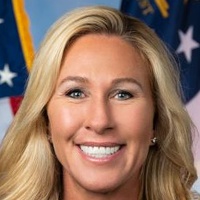
Marjorie Greene
Representative
GA
Marjorie Greene
Representative
GA
The Gulf of America Act officially renames the Gulf of Mexico to the Gulf of America. This change mandates that all federal laws, maps, and official records must immediately reflect the new designation. The Secretary of the Interior is tasked with overseeing the implementation of this name change across all federal agencies within 180 days.
Violet's Law mandates that federal research facilities establish procedures to place retired dogs, cats, nonhuman primates, guinea pigs, hamsters, and rabbits with approved rescue organizations, sanctuaries, shelters, or individuals.
Nancy Mace
Representative
SC
Nancy Mace
Representative
SC
Violet's Law mandates that federal research facilities establish procedures to place retired research animals, including dogs, cats, and primates, into new homes. These facilities must adhere to the Animal Welfare Act standards and ensure animals are certified healthy by a veterinarian before adoption. Eligible placements include registered animal rescue organizations, sanctuaries, shelters, or private individuals.
This bill removes federal tax and registration requirements for firearm silencers, preempts certain state regulations, mandates the destruction of existing federal silencer owner records, and updates related definitions and marking requirements.
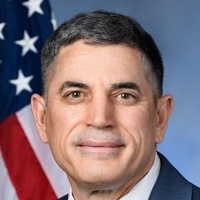
Andrew Clyde
Representative
GA
Andrew Clyde
Representative
GA
The Constitutional Hearing Protection Act aims to treat firearm silencers equally under federal tax law by updating definitions and removing certain registration requirements if existing firearm laws are followed. The bill also preempts state and local governments from imposing special taxes or registration burdens on silencers. Furthermore, it mandates the destruction of existing federal records identifying silencer owners within one year of enactment.
This bill establishes procedures for attributing errors and liabilities between employers and third-party payroll tax payors when filing payroll taxes.
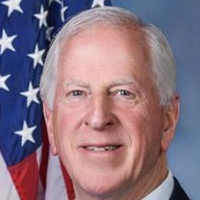
Mike Thompson
Representative
CA
Mike Thompson
Representative
CA
This bill establishes new procedures for the IRS when errors occur in payroll tax filings made by third-party payors, such as Professional Employer Organizations (PEOs). It clarifies the responsibility for resulting tax liabilities or penalties based on whether the payor relied on erroneous information provided by the employer. The legislation aims to fairly allocate responsibility between the employer and the third-party payor when mistakes happen during tax certification and filing.
This Act requires Federal Housing Enterprises to use state-regulated title protection products for mortgages or hold extra capital reserves against those without such protection.
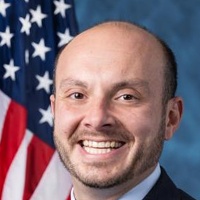
Andrew Garbarino
Representative
NY
Andrew Garbarino
Representative
NY
The Protecting America's Property Rights Act aims to enhance the security of mortgages purchased by Federal Housing Enterprises by requiring the use of state-regulated title protection products. If these regulated products are not used, the Enterprises must hold additional capital reserves against those mortgages. This legislation mandates the Director to quickly establish rules ensuring compliance with these new title risk management standards.