Legislative Activity
Track W.'s sponsored bills, co-sponsored legislation, and voting record
The Safe Step Act mandates that group health plans using medication step therapy establish clear, timely exception processes for patients and doctors when required drugs are medically inappropriate or ineffective.
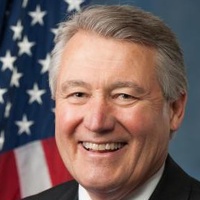
Rick Allen
Representative
GA
Rick Allen
Representative
GA
The Safe Step Act establishes mandatory, transparent exception processes for health plans that use "step therapy" protocols for prescription drugs. This ensures patients or their doctors can quickly request coverage for a prescribed medication when specific clinical criteria are met, such as previous treatment failure or risk of harm. Plans must decide on standard requests within 72 hours and urgent requests within 24 hours, and approved exceptions must last for at least one year. Furthermore, insurers must report detailed data annually on exception requests, approvals, and denials to the Secretary of Health and Human Services.
This bill posthumously awards a Congressional Gold Medal to Welles Remy Crowther for his heroic actions during the September 11, 2001, attacks.
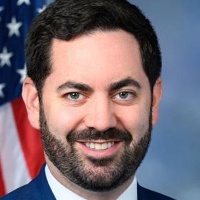
Michael Lawler
Representative
NY
Michael Lawler
Representative
NY
This bill, the Welles Remy Crowther Congressional Gold Medal Act, authorizes the posthumous presentation of a Congressional Gold Medal to Welles Remy Crowther for his extraordinary heroism and sacrifice during the September 11, 2001, attacks. The medal will be presented to his mother, Alison Crowther, on behalf of Congress. The Act also permits the creation and sale of bronze duplicates to cover production costs.
This proposed constitutional amendment establishes and protects the fundamental rights of parents to direct the upbringing, education, and care of their children against government interference.
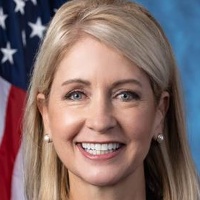
Mary Miller
Representative
IL
Mary Miller
Representative
IL
This proposed constitutional amendment seeks to explicitly establish and protect the fundamental rights of parents to direct the upbringing, education, and care of their children. It guarantees parents the right to choose educational settings, including private or home schooling, and sets a very high legal standard for government interference. The amendment further ensures these rights cannot be limited based on a child's disability status.
The Chloe Cole Act prohibits healthcare professionals from performing chemical or surgical mutilation on minors by linking the prohibition to interstate commerce and establishes a private right of action for victims to sue.
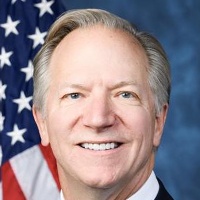
Robert Onder
Representative
MO
Robert Onder
Representative
MO
The Chloe Cole Act prohibits healthcare professionals from engaging in chemical or surgical mutilation of minors, defined as specific medical interventions intended to alter appearance or biological function related to sex. This prohibition is enforced through federal jurisdiction when interstate commerce is involved in the procedure. The bill also establishes a private right of action, allowing individuals subjected to these procedures as minors to sue participating providers, and sets strict liability standards for future violations.
This bill establishes the Presidents Council on Sports, Fitness, and Nutrition to advise the President on promoting youth physical activity and combating childhood obesity.
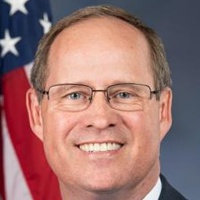
Gregory Murphy
Representative
NC
Gregory Murphy
Representative
NC
The Make America's Youth Healthy Again Act of 2025 establishes a new Presidents Council on Sports, Fitness, and Nutrition. This Council will advise the President on promoting physical activity and setting new national fitness goals for American youth. Its key responsibilities include recommending the return of the Presidential Fitness Award and developing strategies to combat childhood obesity. The Council is set to operate for two years unless the President extends its term.
This bill establishes the "CHOICE arrangement" as a new type of employer-funded health reimbursement plan integrated with individual market coverage, provides tax incentives for offering it, and allows participants to use pre-tax cafeteria plan funds for their coverage.
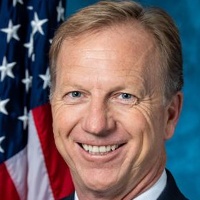
Kevin Hern
Representative
OK
Kevin Hern
Representative
OK
The Choice Arrangement Act of 2025 establishes new rules for employer-funded Health Reimbursement Arrangements (HRAs) integrated with individual health insurance, creating a "CHOICE arrangement." This legislation outlines specific nondiscrimination, substantiation, and notice requirements for employers offering these plans. Furthermore, the Act allows participants to use pre-tax cafeteria plan funds for their coverage and introduces a new, temporary tax credit for eligible small and medium-sized employers who offer these arrangements.
This bill amends the Social Security Act to provide Medicare coverage for FDA-approved multi-cancer early detection screening tests starting in 2028.
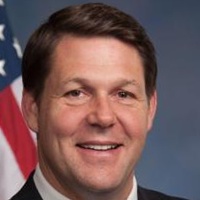
Jodey Arrington
Representative
TX
Jodey Arrington
Representative
TX
The Nancy Gardner Sewell Medicare Multi-Cancer Early Detection Screening Coverage Act amends the Social Security Act to provide Medicare Part B coverage for multi-cancer early detection screening tests starting January 1, 2028. This legislation establishes clear criteria for qualifying tests and outlines payment structures to ensure beneficiaries have access to these advanced diagnostic tools. Importantly, this coverage is designed to complement, rather than replace, existing Medicare-covered cancer screenings.
This resolution expresses the House of Representatives' support for designating October 14, 2025, as a National Day of Remembrance to honor the life and advocacy of Charlie Kirk.
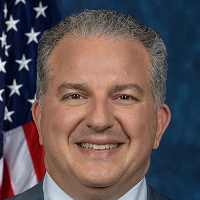
Jimmy Patronis
Representative
FL
Jimmy Patronis
Representative
FL
This resolution expresses the support of the House of Representatives for designating October 14, 2025, as a "National Day of Remembrance for Charlie Kirk." It honors his legacy as a leading advocate for free speech, individual liberty, and civic education, particularly among young Americans through his founding of Turning Point USA. The bill encourages citizens and groups nationwide to observe the day with activities promoting faith, liberty, and democracy.
This resolution strongly condemns the assassination of Charlie Kirk and calls for national change inspired by his life and tragic death.
Mary Miller
Representative
IL
Mary Miller
Representative
IL
This resolution strongly condemns the assassination of conservative activist Charlie Kirk on September 10, 2025, during his national speaking tour. It honors his life, his founding of Turning Point USA, and his dedication to conservative principles. Ultimately, the document calls for national unity and reaffirms the commitment to protecting the right to peaceful assembly and free expression.
This bill protects firearm licensees from license revocation for self-reported or correctable violations by requiring notice, a chance to fix mistakes, and granting federal courts the power to review revocations *de novo*.
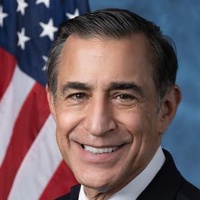
Darrell Issa
Representative
CA
Darrell Issa
Representative
CA
The FIREARM Act aims to protect licensed firearm dealers from overly harsh penalties for minor or self-reported mistakes. It establishes new standards requiring the government to provide notice and an opportunity for dealers to correct violations before license revocation. Furthermore, the bill retroactively applies these protections to licenses previously revoked under a specific 2021 enforcement policy, allowing affected individuals a path to reapply.
The RESULTS Act reforms how Medicare determines payment rates for clinical diagnostic laboratory tests by mandating the use of comprehensive, real-world private payor claims data collected from an independent entity.
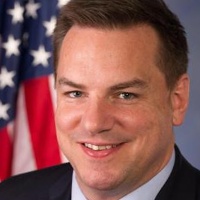
Richard Hudson
Representative
NC
Richard Hudson
Representative
NC
The Reforming and Enhancing Sustainable Updates to Laboratory Testing Services Act of 2025 (RESULTS Act) aims to improve Medicare payment rates for clinical lab tests by mandating the collection of more accurate, real-world payment data directly from large, independent private insurance claims databases. This legislation updates definitions, collection timelines, and calculation methods to ensure Medicare payments for widely available tests reflect current market rates. It also establishes default payment rules if sufficient private payor data cannot be secured.
The FEMA Act of 2025 establishes FEMA as an independent, cabinet-level agency and enacts sweeping reforms across public assistance, individual aid, and mitigation programs to speed up recovery and increase transparency.
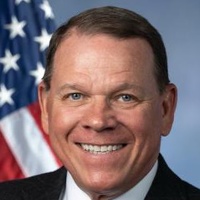
Sam Graves
Representative
MO
Sam Graves
Representative
MO
The FEMA Act of 2025 establishes the Federal Emergency Management Agency (FEMA) as an independent, cabinet-level agency to lead a unified, all-hazards approach to national emergency management. The bill enacts sweeping reforms across Public Assistance, Individual Assistance, and Mitigation programs to accelerate recovery, streamline funding, and reduce bureaucratic hurdles for disaster survivors and communities. Furthermore, it mandates significant new transparency measures, including public data reporting and GAO oversight, to ensure accountability for federal disaster spending.
This resolution supports designating September 12th as "The Day of the Bible" to honor the historical significance of the first officially approved American printing of the Bible and its influence on U.S. values.
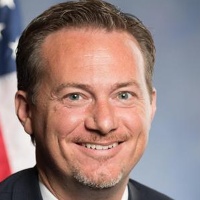
Michael Cloud
Representative
TX
Michael Cloud
Representative
TX
This joint resolution expresses support for designating September 12th annually as "The Day of the Bible" to honor the historical significance of the Bible in shaping American culture and values. The resolution specifically commemorates the anniversary of the 1782 Congressional approval for printing the first complete English Bible in the United States. If enacted, it would require the President to issue an annual proclamation encouraging citizens to observe the day.
The HOMEFRONT Act of 2025 exempts certain existing military family housing from National Historic Preservation Act reviews while simultaneously banning non-disclosure agreements in privatized military housing leases, even retroactively.
Jimmy Patronis
Representative
FL
Jimmy Patronis
Representative
FL
The HOMEFRONT Act of 2025 primarily aims to streamline the management of military housing by exempting certain Department of Defense family and unaccompanied housing units from the National Historic Preservation Act review process. Additionally, this legislation explicitly bans the use of non-disclosure agreements (NDAs) in privatized military housing leases, rendering existing non-settlement NDAs invalid to protect tenants. These changes seek to balance operational needs with tenant rights in military residences.
This bill establishes a mandatory supply fee paid by Medicare drug plans to long-term care pharmacies for specific prescriptions in 2026 and 2027, while also mandating a GAO study on the financial sustainability of the current payment system.
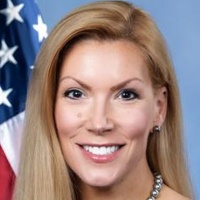
Beth Van Duyne
Representative
TX
Beth Van Duyne
Representative
TX
This Act establishes a mandatory supply fee for Medicare drug plans to pay long-term care pharmacies for specific prescriptions dispensed in 2026 and 2027. The bill mandates a $30 fee per prescription in 2026, increasing in 2027, with penalties for non-payment. Additionally, the GAO is required to study the financial sustainability of the current payment structure for these essential pharmacies. This legislation aims to ensure continued access to medications for patients in long-term care settings.
The Secure Trade Act imposes new duties on imports, significantly modifies trade regulations specifically targeting China with increased tariffs and valuation rules, and expands CFIUS review of real estate investments by foreign adversaries.
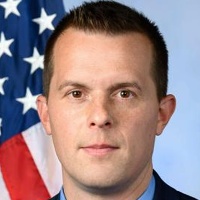
Jared Golden
Representative
ME
Jared Golden
Representative
ME
The Secure Trade Act imposes new duties on all imports and establishes significantly modified, higher tariff rates specifically targeting goods from China. It also mandates stricter valuation rules for Chinese merchandise and expands the review authority of the Committee on Foreign Investment in the United States (CFIUS) over certain real estate investments by foreign adversaries. These measures aim to adjust U.S. trade policy, reduce reliance on specific foreign supply chains, and protect national security interests.
This act directs federal agencies to prioritize civil commitment and treatment for individuals with severe mental illness or addiction, while prioritizing grants and housing aid for communities enforcing public order and requiring treatment compliance.
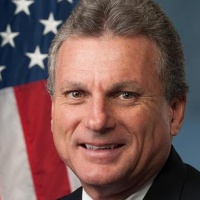
Earl Carter
Representative
GA
Earl Carter
Representative
GA
The Make Our Streets Safe Again Act (MOSSA Act) directs federal agencies to prioritize civil commitment and treatment for individuals with serious mental illness or addiction on the streets. It mandates that federal grants prioritize states and cities enforcing bans on public disorder like urban camping and open drug use. Furthermore, the bill aims to reform federal housing and treatment programs to emphasize recovery and accountability over policies that may enable street homelessness.
The ROAD Act establishes an affirmative defense for individuals facing civil or criminal action for vehicle-related injury or damage if their actions were part of furthering a riot.
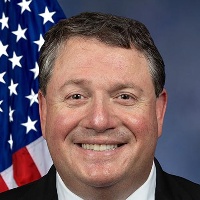
Randall Fine
Representative
FL
Randall Fine
Representative
FL
The Reinstating Orderly Access for Drivers (ROAD) Act establishes an affirmative defense for individuals facing criminal or civil action related to property damage or injury caused by a vehicle during a riot. This defense is available if the individual was convicted of inciting a riot or can prove by a preponderance of the evidence that they committed the crime. Furthermore, the bill mandates that related civil cases must be paused while a corresponding criminal case is pending.
The USTRx Act establishes a Chief Pharmaceutical Trade Negotiator to combat unfair foreign drug pricing practices and ensure high-income countries pay their fair share for U.S.-developed medicines.
Jodey Arrington
Representative
TX
Jodey Arrington
Representative
TX
The Use Sovereignty To reduce Rx (USTRx) Act establishes a new Chief Pharmaceutical Trade Negotiator within the Office of the United States Trade Representative to combat unfair foreign drug pricing policies. This legislation mandates annual reviews of high-income countries to identify practices that disadvantage U.S. pharmaceutical innovation and requires the development of formal response plans to ensure foreign nations pay their fair share of drug development costs.
This bill updates Medicare payment rates for air ambulance services by requiring new cost data collection and mandating a GAO study on emergency air ambulance expenses.
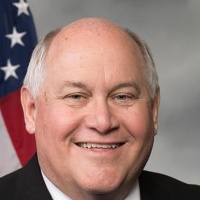
Ron Estes
Representative
KS
Ron Estes
Representative
KS
The Protecting Air Ambulance Services for Americans Act of 2025 aims to improve the Medicare payment system for emergency air ambulance services. This bill directs the Secretary of Health and Human Services to update payment rates using newly collected cost data from providers. Furthermore, it mandates the timely finalization of data collection rules and requires the GAO to study the true operating costs of air ambulance services to inform future payment adjustments.