The No Antisemitism in Education Act of 2026 mandates that educational institutions receiving federal funding treat antisemitism with the same enforcement rigor as other forms of discrimination prohibited under Title VI of the Civil Rights Act.
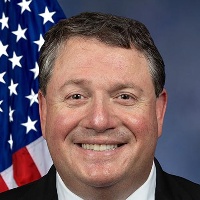
Randall "Randy" Fine
Representative
FL-6
The No Antisemitism in Education Act of 2026 mandates that educational institutions receiving federal funding treat antisemitic discrimination with the same rigor as other forms of discrimination prohibited under Title VI of the Civil Rights Act of 1964. The bill requires institutions to utilize a formal definition of antisemitism when investigating and addressing discriminatory acts. It aims to ensure accountability for systemic failures to protect Jewish students while upholding First Amendment rights and existing state laws.
No Antisemitism in Education Act Mandates Federal Funding Cuts for Schools Failing to Enforce Strict Anti-Discrimination Standards by 2026
The No Antisemitism in Education Act of 2026 is a significant piece of legislation that places a new, high-stakes requirement on every school—from your local elementary to the state university—that receives federal money. The bill demands that these institutions treat antisemitic discrimination with the same 'vigor' as they do discrimination based on race or national origin under Title VI of the Civil Rights Act. If they don't, they risk losing the federal funding that keeps their doors open. It specifically requires schools to use the definition of antisemitism found in Executive Order 13899 when investigating whether a student or staff member acted with 'discriminatory intent.'
New Rules for the Classroom and Campus
For parents and students, this means the 'fine print' of school conduct codes is about to get a major update. Under Section 3, schools can no longer treat antisemitic incidents as minor disciplinary issues if they would treat similar racial harassment as a civil rights violation. Imagine a college student who feels excluded from a campus club because of their Jewish heritage; under this bill, the university must use a specific, federally-recognized definition to determine if that exclusion was a legal violation. This isn't just about physical bullying—it includes institutional policies and the actions of employees, meaning administrators and professors will be under much tighter scrutiny regarding how they manage campus groups and classroom discussions.
The Definition Dilemma
While the bill aims to protect students, the 'Medium' level of vagueness regarding the definition of antisemitism is where things get tricky for everyday folks. Because the bill incorporates contemporary examples from an Executive Order, there is a real-world concern for student activists and faculty. For instance, a student group protesting international policy might find their speech categorized as 'antisemitic intent' depending on how a specific administrator interprets the law’s definitions. This creates a potential 'chilling effect' where people might stay silent rather than risk a federal investigation that could cost their school funding or lead to their own suspension.
High Stakes for School Boards and Taxpayers
The enforcement mechanism here is the 'nuclear option' of federal policy: the pulling of financial assistance. For a local school district or a community college, losing federal grants could mean cutting programs or raising local fees to fill the gap. School administrators will now have to balance a very thin line—protecting Jewish students from a documented rise in harassment (as cited in the bill's findings) while navigating the First Amendment protections the bill claims to uphold. For the average person, this means your local school board meetings might soon focus less on bus routes and more on the legal nuances of international definitions and civil rights compliance.