This Act grants visual artists the exclusive right to control the commercial use of deliberate stylistic impersonations of their work generated by AI or other means.
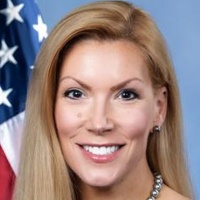
Beth Van Duyne
Representative
TX-24
The CREATOR Act establishes a new federal intellectual property right for visual artists against the unauthorized commercial use of "stylistic impersonations" of their work, primarily generated by AI. This right protects an artist's distinctive visual characteristics when deliberately copied in a way that could mislead the public or affect the artist's market. The Act carefully carves out exceptions for general artistic influence, commentary, parody, and the use of general-purpose AI systems without intentional targeting.
CREATOR Act Targets AI Art Mimics: New Federal Rights for Artist Styles Set to Launch Within Six Months.
The CREATOR Act introduces a first-of-its-kind federal intellectual property right that lets visual artists—like painters, illustrators, and graphic designers—sue if someone uses AI to commercially mimic their specific 'vibe' or style without permission. This isn't about traditional copyright, which protects a specific image; it’s about protecting the 'distinctive visual characteristics' that make an artist’s work recognizable. If a company sells AI-generated posters that are clearly designed to look like a specific living artist’s work to mislead customers, that artist can now seek damages ranging from $10,000 to $150,000 per violation under Section 6. The right stays with the artist for their entire life and can be passed down to heirs for up to 50 years after death, provided they keep the registration updated with the Copyright Office.
The Fine Art of Liability
Under Section 3, the bill draws a sharp line between general AI tools and 'targeted' ones. If you’re using a standard AI generator to make 'cool art,' the software company isn't on the hook. However, if a developer builds and markets a tool specifically promoted to 'paint just like Artist X,' they become legally vulnerable. For the average person or small business owner, this means you need to be careful about how you prompt AI. If you’re a freelance designer using AI to generate a logo that intentionally copies a famous illustrator’s unique style to save on licensing fees, you could be facing a lawsuit for 'stylistic impersonation' under Section 10. The bill requires that the impersonation be 'material' and likely to mislead a reasonable viewer about where the work actually came from.
Safe Harbors and the Takedown Game
Much like how YouTube handles music, Section 5 sets up a 'notice and takedown' system for online platforms. If an artist sees an AI-generated imitation of their style on a portfolio site or marketplace, they can send a formal notice to have it removed. The platform has to act quickly to stay in the 'safe harbor' and avoid being sued themselves. While this protects artists, it also creates a new hurdle for digital creators who might find their original work flagged by mistake. To prevent 'copyright trolling' or harassment, the bill includes a $5,000 penalty for anyone who files a bad-faith takedown notice without a good reason, creating a much-needed check on potential abuse of the system.
Protecting the 'Next Big Thing'
Section 4 ensures that this isn’t a total lockdown on creativity. It explicitly carves out space for parody, satire, news reporting, and 'artistic influence.' This means a student can still study an artist's technique to learn, and a late-night show can still use a stylized caricature for a joke. The real challenge lies in the bill's medium level of vagueness regarding what counts as 'distinctive.' Because terms like 'misleading way' are subjective, we might see a wave of court cases where judges have to decide where an 'artistic movement' ends and a specific artist’s 'style' begins. For now, the bill aims to give human creators a fighting chance against digital clones, with a 180-day countdown to implementation once it's signed.