This bill honors the lives and ultimate sacrifice of four wildland firefighters who died in the line of duty in 2026 while expressing gratitude to all personnel who risk their lives protecting communities from wildfires.
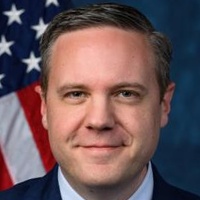
Jeff Hurd
Representative
CO-3
This resolution honors the lives and ultimate sacrifice of wildland firefighters Emily Barker, Nick Hutcherson, Sydney Watson, and Nicholas Dale, who lost their lives in the line of duty during the 2026 wildfire season. It expresses deep gratitude to all wildland firefighters, aviation crews, and support personnel for their courage and continued commitment to protecting American communities. Furthermore, it recognizes the ongoing need to support these frontline responders and invites the nation to honor their service and sacrifice.
New Congressional Resolution Honors Fallen Wildland Firefighters: 2026 Sacrifice Recognized
This resolution formally recognizes the lives and sacrifices of four wildland firefighters—Emily Barker, Nick Hutcherson, Sydney Watson, and Nicholas Dale—who died in the line of duty during the 2026 wildfire season. Beyond these specific names, the measure serves as a formal nod to the entire infrastructure of people who keep our backyards from burning, including aviation crews, dispatchers, and emergency responders. It specifically points to the Snyder Fire as a site of both loss and survival, noting that two other crew members were seriously injured while battling that blaze. While resolutions like this don't change your tax rate or create new regulations, they serve as the official record of the country’s gratitude for the people who do one of the most dangerous jobs in the modern workforce.
A Record of the 2026 Season
The resolution acknowledges that the 2026 wildfire season placed "extraordinary demands" on the Western United States. For anyone who lives in a smoke-prone area or has a friend in the Forest Service, this isn't just bureaucratic fluff; it’s a formal acknowledgment of the physical and mental toll that increasingly long fire seasons take on personnel. By naming the fallen, the resolution ensures that the human cost of protecting infrastructure and natural resources is documented in the halls of government. It’s a moment of silence in the form of a legislative document, aimed at providing a small measure of comfort to the families and colleagues left behind.
More Than Just a Thank You
The text goes a step further than a simple memorial by linking the safety of these crews to broader policy goals. It explicitly states that protecting communities requires a two-pronged approach: responsible stewardship of forests and public lands, and continued support for the personnel who risk their lives. For the average person, this highlights the connection between how we manage our land and the safety of the people we send in to defend it. It’s a reminder that when we talk about forest management or emergency funding, we are ultimately talking about the working conditions of people like Barker, Hutcherson, Watson, and Dale.