
Legislative Activity
Track Eleanor's sponsored bills, co-sponsored legislation, and voting record
The Dignity for Detained Immigrants Act establishes comprehensive standards, rigorous oversight, and new custody procedures to ensure humane treatment and due process for all noncitizens detained by the Department of Homeland Security, while phasing out for-profit detention facilities.
Pramila Jayapal
Representative
WA
Pramila Jayapal
Representative
WA
The Dignity for Detained Immigrants Act aims to overhaul immigration detention by establishing mandatory, high standards based on ABA guidelines and increasing transparency through rigorous, unannounced inspections. The bill prohibits the use of private, for-profit detention facilities within three years and ends the mandatory detention of most noncitizens, prioritizing release or community-based alternatives. Furthermore, it establishes new due process rights, including timely custody hearings, a presumption of release, and prohibitions on detaining children or using solitary confinement.
This resolution commemorates World AIDS Day by recognizing global and domestic progress, highlighting ongoing challenges, and encouraging continued support for ending the HIV epidemic by 2030.
Mark Pocan
Representative
WI
Mark Pocan
Representative
WI
This resolution commemorates World AIDS Day and recognizes significant progress made in combating HIV/AIDS globally and domestically through programs like PEPFAR and the Ryan White Act. It highlights ongoing challenges, particularly disparities in impact, while encouraging continued robust funding for research, prevention, and treatment efforts worldwide. The resolution supports the goal of ending the HIV epidemic by 2030 through zero new transmissions and zero discrimination.
This bill establishes an Office of Public Participation within the TVA and mandates a more robust, transparent public engagement process for the agency's integrated resource planning.

Steve Cohen
Representative
TN
Steve Cohen
Representative
TN
The TVA Increase Rate of Participation Act establishes an Office of Public Participation within the Tennessee Valley Authority (TVA) to enhance public outreach and education. This legislation mandates a comprehensive and meaningful public engagement process for TVA's integrated resource planning. Furthermore, it sets specific requirements for the content and transparency of the integrated resource plans, ensuring public input directly informs resource decisions.
The Artificial Intelligence Civil Rights Act of 2025 establishes comprehensive federal rules to prevent algorithmic discrimination, mandate independent safety audits for high-risk AI systems, and grant individuals new rights to transparency and legal recourse against biased automated decisions.
Yvette Clarke
Representative
NY
Yvette Clarke
Representative
NY
The Artificial Intelligence Civil Rights Act of 2025 establishes comprehensive federal rules to prevent discrimination caused by automated decision-making systems in critical areas like employment, housing, and credit. It mandates independent safety checks, public reporting for high-risk findings, and clear contractual standards between algorithm creators and users. The law empowers the Federal Trade Commission (FTC) and grants individuals a private right of action to enforce these new civil rights protections against algorithmic bias.
This act establishes a grant program to help colleges and universities create and operate dedicated Student Veteran Centers to support the academic and transitional success of student veterans.
Lois Frankel
Representative
FL
Lois Frankel
Representative
FL
The Veteran Education Empowerment Act establishes a grant program to help colleges and universities create and operate dedicated Student Veteran Centers. These centers will serve as centralized hubs to coordinate academic support, transition services, and community building for student veterans. The bill authorizes funding for these grants, which can be used for establishing and operating the centers, with specific reporting requirements to track effectiveness.
This act grants non-citizens in removal proceedings the right to request and receive a virtual hearing via video or telephone conference, provided it does not prejudice their case.
Suzanne Bonamici
Representative
OR
Suzanne Bonamici
Representative
OR
The Migrant Due Process Protection Act grants non-citizens in removal proceedings the right to request that their hearings be conducted virtually via video or telephone conference. Immigration judges are required to grant these requests, provided the virtual format does not prejudice the non-citizen's case. This legislation amends existing immigration law to expand access to remote hearings.
The Mikaela Naylon Give Kids a Chance Act primarily focuses on enhancing pediatric drug research, ensuring completion of pediatric study requirements, extending incentives for rare pediatric disease treatments, and making targeted updates to FDA and organ transplant network operations.
Michael McCaul
Representative
TX
Michael McCaul
Representative
TX
The Mikaela Naylon Give Kids a Chance Act focuses primarily on improving pediatric drug development and ensuring patient access to necessary treatments. This legislation mandates new research requirements for molecularly targeted pediatric cancer drugs, strengthens FDA enforcement of pediatric study completion, and extends incentives for developing drugs for rare pediatric diseases. Additionally, the bill updates organ transplant network functions and establishes an Abraham Accords Office within the FDA to enhance international regulatory cooperation.
This Act prohibits sellers from price gouging on goods affected by tariffs for five years by limiting price increases to direct tariff-related costs, with specific enforcement provisions and reporting requirements managed by the FTC.

Rosa DeLauro
Representative
CT
Rosa DeLauro
Representative
CT
The No GOUGE Act prohibits sellers from raising the price of "tariffed goods" by more than the direct costs resulting from a new or planned tariff for five years. This prevents companies from using tariffs as an excuse to charge unreasonably high prices, with specific rules for final goods, assembled products, and components. The Federal Trade Commission (FTC) is tasked with enforcement, while large companies face a presumption of violation following major tariff announcements. The bill also mandates annual reports from the FTC and other agencies detailing price changes and enforcement actions.
This act establishes and funds a national information clearinghouse to help schools and organizations access federal child nutrition programs and find resources for hunger prevention.
Joseph Morelle
Representative
NY
Joseph Morelle
Representative
NY
The Hunger Clearinghouse Enhancement Act of 2025 establishes a national information clearinghouse to assist schools and organizations in accessing federal child nutrition programs. This clearinghouse will also provide resources on utilizing trained volunteers to combat child hunger. The bill significantly increases the authorized funding for this clearinghouse through fiscal year 2032.
The CARE for Moms Act aims to combat the maternal health crisis by expanding postpartum Medicaid coverage, funding quality improvement collaboratives, supporting the doula workforce, and establishing mobile health units for rural areas, while also increasing tobacco taxes.
Robin Kelly
Representative
IL
Robin Kelly
Representative
IL
The CARE for Moms Act aims to combat the rising maternal mortality crisis in the U.S. through significant federal investments and policy changes. The bill establishes grant programs to support state quality collaboratives and expand the doula workforce. Crucially, it mandates 12 months of postpartum coverage under Medicaid and CHIP, alongside requiring oral health services for pregnant and new mothers. Finally, the Act increases federal excise taxes on tobacco products to fund these maternal health initiatives.
This bill mandates prompt notification to parents and Congress when suspected child abuse or neglect is reported within military childcare and youth programs.
Jill Tokuda
Representative
HI
Jill Tokuda
Representative
HI
This act mandates the Department of Defense to establish a policy requiring immediate notification to parents and Congress upon the discovery of suspected child abuse or neglect within military childcare and youth programs. Covered programs must notify parents within 24 hours and relevant congressional committees and representatives within 72 hours of an allegation. This ensures transparency and timely communication regarding the safety of military dependents in care settings.
This bill establishes an interagency program to standardize and annually report on national food insecurity and hunger through mandated surveys.
Wesley Bell
Representative
MO
Wesley Bell
Representative
MO
The Food Assurance and Security Act establishes a mandatory, interagency program to annually measure and report on food insecurity and hunger in the United States. This program requires the Census Bureau to conduct a standardized food security supplement as part of its Current Population Survey. The resulting data will be analyzed and published by the Department of Agriculture in an annual public report submitted to Congress.
The LEAD Act of 2025 prohibits the use of lead ammunition on all lands and waters managed by the U.S. Fish and Wildlife Service, mandating the use of certified nonlead alternatives.
Ted Lieu
Representative
CA
Ted Lieu
Representative
CA
The LEAD Act of 2025 seeks to prohibit the use of lead ammunition on all lands and waters managed by the U.S. Fish and Wildlife Service due to documented health and environmental risks. This legislation mandates the creation of a certified list of approved nonlead ammunition alternatives for use on these federal lands. The bill establishes civil penalties for knowing violations of this new prohibition.
This Act strengthens the Public Service Loan Forgiveness program by establishing a new, phased cancellation schedule for newer federal direct loans and streamlining employment certification.
Eric Swalwell
Representative
CA
Eric Swalwell
Representative
CA
This Act amends the Public Service Loan Forgiveness program to streamline requirements for existing loans and establish a new, tiered cancellation schedule for newer Federal Direct Loans. Borrowers employed in public service will now receive partial loan cancellation after making 24, 48, 72, and 96 qualifying payments. Full cancellation of the remaining balance is granted after 120 qualifying payments, and the bill also simplifies the employment certification process and cancels accrued interest.
This resolution declares that reproductive justice and immigrant justice are inseparable and calls for ending discriminatory barriers to comprehensive reproductive healthcare for all immigrants.
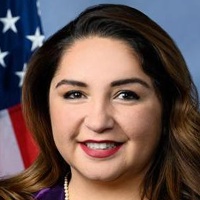
Delia Ramirez
Representative
IL
Delia Ramirez
Representative
IL
This resolution declares that immigrant justice and reproductive justice are inseparable, demanding that both movements be pursued together. It condemns systemic failures and policies that deny immigrants access to necessary reproductive health care while in custody or in the community. The resolution calls on Congress and federal agencies to eliminate barriers to health coverage and ensure equitable, comprehensive reproductive care for all individuals, regardless of immigration status.
This bill expands disaster assistance programs to specifically include crisis counseling and training for substance use and alcohol use disorders following a major disaster.
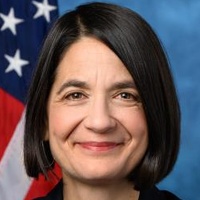
Becca Balint
Representative
VT
Becca Balint
Representative
VT
The Addressing Addiction After Disasters Act expands federal disaster assistance to explicitly include support for substance use and alcohol use issues resulting from major disasters. It broadens the scope of crisis counseling and training programs to address these needs alongside existing mental health services. Furthermore, the bill mandates FEMA to update its application processes and requires a GAO report on the program's effectiveness and compliance.
This bill establishes Medicare coverage for genetic counseling services provided by licensed or certified genetic counselors starting in 2027.

Adrian Smith
Representative
NE
Adrian Smith
Representative
NE
The Access to Genetic Counselor Services Act of 2025 aims to expand healthcare access by establishing Medicare coverage for genetic counseling services starting in 2027. This legislation defines qualified genetic counselors and sets specific payment rules for these covered services under Medicare. The bill ensures that Medicare beneficiaries can receive essential genetic counseling from licensed or certified professionals.
This act establishes a \$462.5 million emergency fund to ensure SNAP benefits continue without reduction during funding shortfalls or government shutdowns, while also protecting essential program staff from furlough.
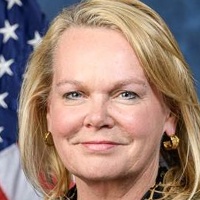
April McClain Delaney
Representative
MD
April McClain Delaney
Representative
MD
The Food Bank Emergency Support Act of 2025 establishes a \$462.5 million emergency fund to ensure the Supplemental Nutrition Assistance Program (SNAP) can continue providing full benefits during funding shortfalls or government shutdowns. These funds are specifically appropriated to prevent benefit reductions when other resources are insufficient. Furthermore, the Act ensures essential SNAP staff can continue working during a lapse in appropriations.
This Act establishes a competitive grant program to fund local projects focused on eliminating blight and revitalizing low-income neighborhoods through demolition, renovation, and affordable housing construction.
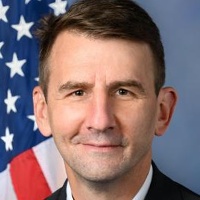
Frank Mrvan
Representative
IN
Frank Mrvan
Representative
IN
The Revitalize Our Neighborhoods Act of 2025 establishes a competitive grant program through HUD to fund projects that eliminate blight and revitalize low-income communities. Eligible entities can apply for funds to demolish blighted structures, renovate abandoned properties, and construct or preserve affordable housing. Grantees must submit a five-year plan and contribute matching funds for eligible activities.
The ROTOR Act mandates increased transparency for sensitive government flights by narrowing ADS-B exception rules, requires ADS-B In equipment on certain aircraft, and establishes safety reviews for military and civilian operations near major airports.
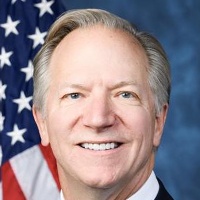
Robert Onder
Representative
MO
Robert Onder
Representative
MO
The ROTOR Act aims to enhance aviation safety and transparency, primarily by narrowing exceptions for disabling ADS-B tracking on government aircraft and mandating that aircraft equipped with ADS-B Out must also install ADS-B In technology. The bill further requires the FAA to conduct comprehensive safety reviews of military and civilian operations in complex airspace, such as around Reagan National Airport. Finally, it mandates formal agreements for the FAA and the Department of the Army to share critical aviation safety data.