
Legislative Activity
Track Eleanor's sponsored bills, co-sponsored legislation, and voting record
This act mandates federal studies on AI's job impact and establishes new grant programs to expand technology education and workforce training.
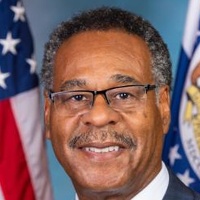
Emanuel Cleaver
Representative
MO
Emanuel Cleaver
Representative
MO
The Workforce of the Future Act of 2025 mandates federal studies on AI's impact on jobs and establishes new grant programs to expand technology education and workforce training. Title I requires comprehensive reports from key departments detailing necessary future skills and policy recommendations. Title II creates federal grants to boost K-12 technology education and fund retraining for workers in AI-affected industries.
This Act prohibits special Government employees from receiving large federal awards from their own agencies and mandates increased public disclosure of their positions and financial reports.
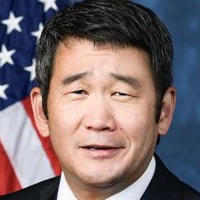
Dave Min
Representative
CA
Dave Min
Representative
CA
The Ban on Self-Interested Contracting Act (BASIC Act) establishes a new criminal prohibition preventing special Government employees from knowingly receiving large federal awards from their own agencies or related parties. The Act also mandates increased transparency by requiring the publication of certain position data and financial disclosure reports for these employees. Finally, it creates a public, searchable database detailing covered special Government employees.
This bill establishes a grant program to fund statewide senior legal hotlines providing free civil legal assistance to older Americans.
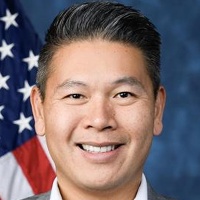
Derek Tran
Representative
CA
Derek Tran
Representative
CA
The Senior Legal Hotline Act of 2025 establishes a new federal grant program to support the creation and operation of statewide senior legal hotlines. These grants, administered under the Older Americans Act, will be awarded to eligible nonprofit organizations to provide free legal advice, counseling, and referrals to older individuals across an entire state. Grantees must meet specific operational requirements, including ensuring adequate staffing and coordinating services with existing legal and aging networks.
This act mandates protective barriers for new fixed-route bus operator workstations purchased with federal funds, unless waived by the relevant labor union.
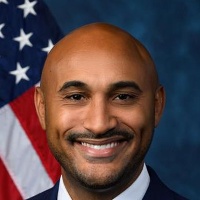
Shomari Figures
Representative
AL
Shomari Figures
Representative
AL
The Bus Operator Safety and Security Act mandates that new fixed-route buses purchased with federal funds, meeting specific size and lifespan criteria, must be equipped with a protective barrier around the operator's workstation. This barrier must fully enclose the area without obstructing the driver's line of sight. This requirement can be waived if the relevant labor union agrees to the waiver for the specific bus purchase.
This act restores access to professional degrees by amending the Higher Education Act to remove specific annual and aggregate loan limits for graduate and professional students.
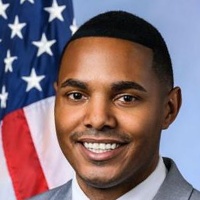
Ritchie Torres
Representative
NY
Ritchie Torres
Representative
NY
The Professional Degree Access Restoration Act amends the Higher Education Act to eliminate specific annual and aggregate loan limits for Federal Direct PLUS Loans made to graduate and professional students. This action removes previous restrictions on the maximum amount graduate students can borrow through these federal loan programs.
This act updates the payroll process for House of Representatives employees, allowing for more flexible pay schedules upon system upgrades.
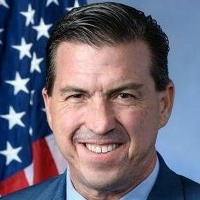
Kevin Mullin
Representative
CA
Kevin Mullin
Representative
CA
The Staff Salary Schedule Improvement Act updates the payroll process for employees of the House of Representatives. While the standard pay date remains the last day of the month, this act grants the Chief Administrative Officer the authority to implement a twice-monthly or alternative pay schedule upon direction from the Committee on House Administration. This change will take effect when the House next upgrades its payroll system.
The Keeping All Students Safe Act strictly prohibits dangerous restraint and seclusion in federally funded schools while mandating comprehensive state reporting, staff training, and parental notification for any permissible physical restraint.
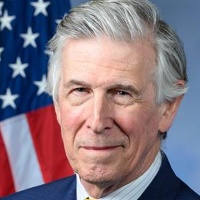
Donald Beyer
Representative
VA
Donald Beyer
Representative
VA
The Keeping All Students Safe Act strictly prohibits dangerous restraint and seclusion practices in federally funded schools, establishing national safety standards and requiring immediate parental notification after any restraint incident. It mandates that states create detailed plans, publicly report incident data broken down by student demographics, and utilize federal grants to fund training and prevention strategies. The bill creates a private right of action for families harmed by violations and ensures oversight across various federal school systems.
This bill significantly increases civil penalties across various federal labor laws, strengthens enforcement for health plan compliance, establishes penalties for employer unfair labor practices, and treats certain recordkeeping failures as continuing violations.
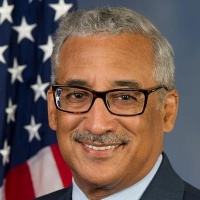
Robert Scott
Representative
VA
Robert Scott
Representative
VA
The Labor Enforcement to Securely Protect Workers (LETS Protect Workers) Act significantly increases civil penalties for violations across major federal labor laws, including child labor, wage and hour, and workplace safety standards. It strengthens enforcement mechanisms for mine safety violations and retaliation against miners, while also establishing new penalties for employer unfair labor practices under the National Labor Relations Act. Furthermore, the bill enhances enforcement for health plan parity and makes certain recordkeeping failures under OSHA and FLSA continuing violations.
The CARE for First Responders Act expands crisis counseling and establishes specialized mental health services and mobile crisis grants for emergency responders and public safety telecommunicators following major disasters.
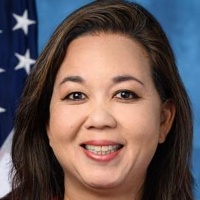
Jill Tokuda
Representative
HI
Jill Tokuda
Representative
HI
The CARE for First Responders Act expands crisis counseling assistance to include emergency responders and public safety telecommunicators following major disasters. The bill establishes a comprehensive mental health program providing 24/7 confidential support, including a dedicated hotline and peer counseling. Additionally, it creates a grant program to fund mobile crisis units offering on-site mental health services to first responders during disaster response.
This resolution commends state and local governments for championing reproductive rights as human rights while condemning abortion restrictions and criminalization following the *Dobbs* decision.
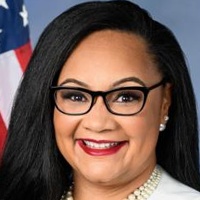
Nikema Williams
Representative
GA
Nikema Williams
Representative
GA
This concurrent resolution commends state and local governments for championing reproductive rights as human rights following the overturning of *Roe v. Wade*. It declares that denying abortion care leads to severe health risks and highlights the criminalization of pregnancy outcomes across the U.S. The resolution urges states to repeal abortion restrictions and affirm that reproductive rights are fundamental human rights.
The Reuniting Families Act overhauls the immigration system to drastically reduce visa backlogs, recognize permanent partnerships, expand diversity visas, and expedite the reunification of refugee families.
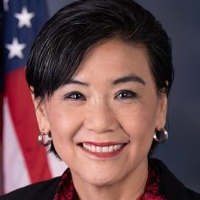
Judy Chu
Representative
CA
Judy Chu
Representative
CA
The Reuniting Families Act is comprehensive legislation designed to significantly reform U.S. immigration by reducing massive visa backlogs and prioritizing family reunification across various categories. It achieves this by recapturing unused visas, reclassifying certain family members as "immediate relatives," and creating new pathways for permanent partners and refugees to join their loved ones. Ultimately, the bill aims to keep families together, speed up legal immigration processes, and address past discrimination in the visa system.
This act prohibits federal law enforcement from executing no-knock warrants and bars state and local agencies receiving DOJ funds from using them.
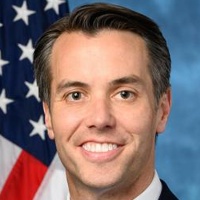
Morgan McGarvey
Representative
KY
Morgan McGarvey
Representative
KY
The Justice for Breonna Taylor Act aims to prohibit the use of no-knock warrants by federal law enforcement officers, requiring them to announce their presence before entry. Furthermore, it conditions federal funding for state and local law enforcement agencies on their compliance with the same no-knock warrant prohibition. This legislation seeks to increase accountability and safety during warrant executions.
The Computer Science for All Act of 2025 establishes a grant program to fund states, local agencies, and tribal schools in expanding universal, equitable computer science education from pre-K through high school.
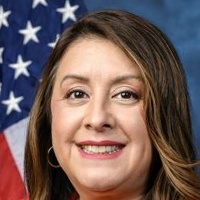
Luz Rivas
Representative
CA
Luz Rivas
Representative
CA
The Computer Science for All Act of 2025 establishes a grant program to dramatically expand computer science education across all grade levels in states, local districts, and Tribal schools. These grants aim to ensure universal access to rigorous computer science and STEAM learning, focusing specifically on closing equity gaps for underrepresented students. The Act mandates teacher training, curriculum development, and detailed reporting to track progress toward these national goals.
This act increases the annual and aggregate loan limits for Federal Direct Unsubsidized Stafford Loans for graduate and professional students, effective July 1, 2026.
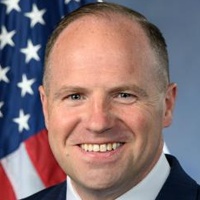
Timothy Kennedy
Representative
NY
Timothy Kennedy
Representative
NY
The Loan Equity for Advanced Professionals Act raises the federal student loan limits for graduate and professional students. Effective July 1, 2026, the annual borrowing limit for Federal Direct Unsubsidized Stafford Loans will increase to \$50,000, and the aggregate limit will rise to \$200,000. This aims to provide greater financial support for advanced degree candidates.
This bill establishes a national public awareness campaign to boost HPV vaccination rates and increases funding for breast and cervical cancer early detection programs.
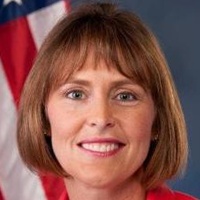
Kathy Castor
Representative
FL
Kathy Castor
Representative
FL
The PREVENT HPV Cancers Act of 2025 aims to combat the significant health threat posed by human papillomavirus (HPV) and related cancers. This legislation establishes a national public awareness campaign, managed by the CDC, to increase HPV vaccination rates and combat misinformation. Additionally, it increases funding for the National Breast and Cervical Cancer Early Detection Program to improve screening access. The overall goal is to leverage vaccination and early detection to reduce the incidence of HPV-associated cancers.
This act prohibits health plans and Medicaid programs from imposing arbitrary time caps on reimbursement for medically necessary anesthesia services.
Ritchie Torres
Representative
NY
Ritchie Torres
Representative
NY
The Anesthesia for All Act prohibits health plans and state Medicaid programs from imposing arbitrary time caps on reimbursement for medically necessary anesthesia services. This legislation ensures that payment for anesthesia is based on medical necessity rather than pre-set time limits, protecting patient safety and equitable access to care. The OIG will oversee compliance through regular audits and reporting to Congress.
This bill establishes new requirements, time limits, and Congressional approval for Department of Defense support to civilian law enforcement, prohibits dual service in the DoD and civilian law enforcement, and creates a private right of action for violations.
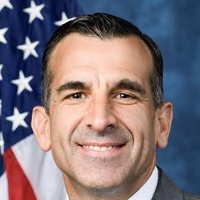
Sam Liccardo
Representative
CA
Sam Liccardo
Representative
CA
The Military in Law Enforcement Accountability Act establishes new requirements and strict time limits for the Department of Defense when providing support to civilian law enforcement agencies, requiring prior Congressional notification and justification. It also prohibits Department of Defense personnel from simultaneously serving in civilian law enforcement roles, with limited exceptions for reservists. Furthermore, the bill broadens the circumstances under which military and federal law enforcement can assist civil authorities and creates a private right of action for violations of the Act.
This bill establishes a tax-advantaged savings account allowing individuals to make tax-deductible contributions to save for a down payment on their first home, with tax-free withdrawals for qualified expenses.
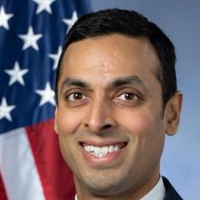
Suhas Subramanyam
Representative
VA
Suhas Subramanyam
Representative
VA
The First Home Savings Opportunity Act of 2025 establishes a new tax-advantaged savings account to help individuals save for a first home down payment. Contributions to this "down payment savings account" are tax-deductible up to $10,000 annually, subject to income limitations. Withdrawals for qualified first-time homebuyer expenses, such as down payments or closing costs, are tax-free. Non-qualified withdrawals are subject to ordinary income tax plus an additional 20% penalty.
This bill overhauls the appointment and removal processes for the Librarian of Congress, the Comptroller General, and the Director of the Government Publishing Office, shifting authority to Congress via concurrent resolution and new commissions.
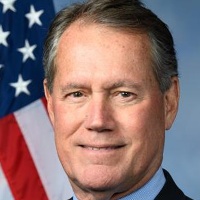
Ed Case
Representative
HI
Ed Case
Representative
HI
This bill establishes new appointment and removal procedures for the Librarian of Congress, the Comptroller General, and the Director of the Government Publishing Office. These changes centralize the selection process through new or existing commissions, requiring appointment via a concurrent resolution passed by Congress. The legislation also sets a 10-year term for the Librarian of Congress and outlines specific supermajority requirements for removal from these key government positions.
This bill prohibits immigration enforcement officers from arresting or detaining individuals at or near immigration court facilities unless there is a judicial warrant or an imminent threat.

Dan Goldman
Representative
NY
Dan Goldman
Representative
NY
The Immigration Court Due Process Protection Act of 2025 restricts Department of Homeland Security (DHS) officers from arresting or detaining individuals attending or departing from immigration court proceedings or scheduled appointments, unless a judicial warrant is present or an imminent threat exists. The bill mandates specific supervisory approval for arrests during scheduled check-ins. Furthermore, it requires the DHS Inspector General to submit an annual report to Congress detailing compliance with these new protections.