
Legislative Activity
Track Eleanor's sponsored bills, co-sponsored legislation, and voting record
The Healthy MOM Act establishes special enrollment periods for pregnancy across various health plans, mandates maternity coverage for dependents, and ensures continuous 12-month Medicaid and CHIP coverage for pregnant and postpartum individuals.
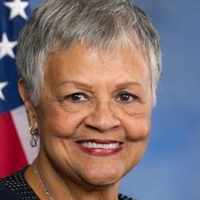
Bonnie Watson Coleman
Representative
NJ
Bonnie Watson Coleman
Representative
NJ
The Healthy Maternity and Obstetric Medicine Act, or Healthy MOM Act, aims to improve maternal and newborn health outcomes by ensuring comprehensive maternity coverage is accessible. It establishes special enrollment periods for pregnant individuals across various health plans and mandates that dependent coverage must include maternity care. Furthermore, the bill secures continuous 12-month postpartum coverage under Medicaid and CHIP and adjusts federal employee health benefit rules regarding pregnancy.
This Act provides liability protection for individuals and organizations who donate or distribute menstrual products in good faith to those in need.

Grace Meng
Representative
NY
Grace Meng
Representative
NY
The Good Samaritan Menstrual Products Act provides liability protections for individuals, manufacturers, and nonprofit organizations that donate or distribute menstrual products in good faith to those in need. This protection covers the nature, age, or condition of apparently usable donated products. However, these protections do not apply in cases of gross negligence or intentional misconduct.
This bill establishes the Baby Bonus Act, creating a federal program administered by the Social Security Administration to provide a one-time, non-taxable financial payment to eligible parents of newborn or near-term children born on or after January 1, 2026.
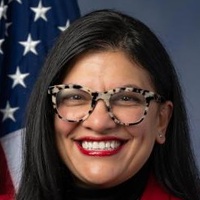
Rashida Tlaib
Representative
MI
Rashida Tlaib
Representative
MI
The Baby Bonus Act establishes a new federal program within the Social Security Administration to provide a one-time financial payment to eligible parents of newborn children, beginning in 2026. This benefit is designed to be non-taxable and protected from being counted as a resource for federal benefit programs. The legislation creates the Office of Baby Assistance to manage the application and payment process for this new benefit.
This bill officially recognizes the service of World War II-era U.S. Cadet Nurse Corps members by granting them an honorable discharge and veteran status for specific burial benefits.
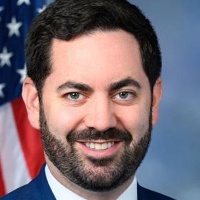
Michael Lawler
Representative
NY
Michael Lawler
Representative
NY
This bill officially recognizes the service of individuals who served in the United States Cadet Nurse Corps during World War II. It mandates the Secretary of Defense to issue an honorable discharge to eligible former nurses, thereby honoring them as veterans. This recognition primarily grants eligibility for specific burial and memorial benefits related to their service.
The Find It Early Act mandates no-cost coverage for additional, recommended breast cancer screenings for high-risk individuals across private insurance, Medicare, Medicaid, TRICARE, and VA health programs starting in 2026.

Rosa DeLauro
Representative
CT
Rosa DeLauro
Representative
CT
The Find It Early Act mandates that certain individuals at increased risk for breast cancer receive additional, recommended screenings with no out-of-pocket costs. This coverage requirement applies across private health plans, Medicare, Medicaid, TRICARE, and the Department of Veterans Affairs. These provisions are set to take effect starting January 1, 2026.
This act establishes a grant program to fund diabetes treatment and prevention services in medically underserved urban and rural communities.

Maxine Waters
Representative
CA
Maxine Waters
Representative
CA
The Urban and Rural Diabetes Initiative Act establishes a new grant program to improve diabetes treatment access in medically underserved urban and rural areas. This funding supports eligible health providers in offering comprehensive diabetes care, including routine treatment, education, and specialized services like eye and foot care. The Secretary of Health and Human Services will award these grants, ensuring equitable distribution across both urban and rural communities.
This Act establishes a competitive grant program to fund local projects focused on eliminating blight and revitalizing low-income neighborhoods through demolition, renovation, and affordable housing construction.

Frank Mrvan
Representative
IN
Frank Mrvan
Representative
IN
The Revitalize Our Neighborhoods Act of 2025 establishes a competitive grant program through HUD to fund projects that eliminate blight and revitalize low-income communities. Eligible entities can apply for funds to demolish blighted structures, renovate abandoned properties, and construct or preserve affordable housing. Grantees must submit a five-year plan and contribute matching funds for eligible activities.
The ROTOR Act mandates increased transparency for sensitive government flights by narrowing ADS-B exception rules, requires ADS-B In equipment on certain aircraft, and establishes safety reviews for military and civilian operations near major airports.

Robert Onder
Representative
MO
Robert Onder
Representative
MO
The ROTOR Act aims to enhance aviation safety and transparency, primarily by narrowing exceptions for disabling ADS-B tracking on government aircraft and mandating that aircraft equipped with ADS-B Out must also install ADS-B In technology. The bill further requires the FAA to conduct comprehensive safety reviews of military and civilian operations in complex airspace, such as around Reagan National Airport. Finally, it mandates formal agreements for the FAA and the Department of the Army to share critical aviation safety data.
This act caps the interest rate at 6% for student loans servicemembers consolidate or refinance during their military service.

Delia Ramirez
Representative
IL
Delia Ramirez
Representative
IL
The Servicemember Student Loan Affordability Act of 2025 extends existing protections by imposing a 6% interest rate cap on new loans servicemembers take out to consolidate or refinance pre-existing student debt during their military service. This amendment specifically targets the refinancing of prior student loans, ensuring servicemembers do not face excessive interest rates on this debt while serving. The bill clarifies that this cap only applies when the refinancing exclusively covers eligible student loans.
The BOOST Act of 2025 establishes a universal monthly cash assistance program of \$250 for qualifying adults, funded by a new 2.5% federal income tax on adjusted gross income exceeding specified thresholds.
Rashida Tlaib
Representative
MI
Rashida Tlaib
Representative
MI
The BOOST Act of 2025 establishes a universal adult assistance program providing qualifying U.S. residents aged 19 to 67 with a monthly cash payment of $250, administered by the Social Security Administration. To fund this, the bill simultaneously imposes a new federal income tax of 2.5% on adjusted gross income exceeding $30,000 for individuals or $60,000 for joint filers. These assistance payments are explicitly excluded from being counted as income for federal benefit or tax purposes.
This bill establishes temporary monthly economic recovery payments of \$200 for eligible Social Security, SSI, Railroad Retirement, and veterans benefit recipients from January 1, 2026, through June 30, 2026.
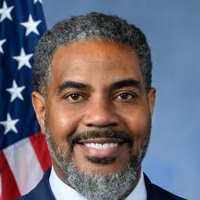
Steven Horsford
Representative
NV
Steven Horsford
Representative
NV
This bill, the Social Security Emergency Inflation Relief Act, establishes temporary economic recovery payments for eligible recipients of Social Security, SSI, Railroad Retirement, and Veterans benefits. It provides an additional $200 payment monthly to these individuals from January 1, 2026, through June 30, 2026. These payments are designed to be non-taxable and will not affect eligibility for other federal benefits.
This Act prohibits discrimination based on religion, sex, or marital status in federally funded child welfare services to improve outcomes for all children, especially LGBTQ youth.

Danny Davis
Representative
IL
Danny Davis
Representative
IL
The John Lewis Every Child Deserves a Family Act prohibits discrimination based on religion, sex, or marital status in federally funded child welfare services. This aims to increase the number of stable, family-like placements for children, especially for LGBTQ youth who are overrepresented in foster care. The bill mandates federal guidance, training, and data collection to improve safety and well-being outcomes for all children involved in the system.
This bill expands Medicare drug price negotiation to private insurance, applies inflation rebates to commercial drugs, and establishes annual out-of-pocket limits for prescription drugs under private health insurance.

Frank Pallone
Representative
NJ
Frank Pallone
Representative
NJ
The Lowering Drug Costs for American Families Act aims to significantly reduce prescription drug expenses for consumers. It expands the federal drug price negotiation program to cover more drugs and extends negotiated prices to most private health insurance plans. Furthermore, the bill applies inflation rebates to the commercial market and establishes new annual out-of-pocket spending caps for prescription drugs under private insurance starting in 2027. It also sets specific, lower cost-sharing requirements for covered insulin products.
This Act establishes a universal monthly cash payment program for children while terminating the Child Tax Credit and Earned Income Tax Credit, and introduces new refundable tax credits for adult dependents and low-income adults.
Rashida Tlaib
Representative
MI
Rashida Tlaib
Representative
MI
The End Child Poverty Act establishes a universal monthly cash assistance program for qualifying children, administered by a new office within the Social Security Administration. This act terminates the Child Tax Credit and Earned Income Tax Credit after 2025, replacing them with direct child payments. Additionally, the bill introduces new refundable tax credits for taxpayers supporting adult dependents and for low-to-middle income adults and families.
This act ensures the uninterrupted storage of National Oceanic and Atmospheric Administration (NOAA) data sets by restricting the Secretary of Commerce's ability to cancel cloud service contracts without a transition plan.

Sarah Elfreth
Representative
MD
Sarah Elfreth
Representative
MD
The NOAA Data Preservation Act aims to ensure the uninterrupted storage of critical National Oceanic and Atmospheric Administration (NOAA) data sets. This legislation restricts the Secretary of Commerce from canceling cloud storage contracts unless a comprehensive plan for seamless data transition and protection is established in collaboration with NOAA. The bill focuses on maintaining continuous access to vital environmental data.
This Act establishes annual data collection and imposes emissions fees on large data centers and cryptocurrency mining facilities based on their power consumption and regional grid carbon intensity.

Steve Cohen
Representative
TN
Steve Cohen
Representative
TN
The Clean Cloud Act of 2025 addresses the rapidly increasing energy consumption of data centers and cryptocurrency mining operations. This bill mandates annual data collection on the energy use and sources for these facilities, which are currently lacking transparency. Furthermore, it establishes an emissions performance standard, imposing fees on electricity consumption that exceeds regional clean energy baselines, with collected funds supporting consumer energy cost relief and clean firm energy development.
This resolution recognizes the epidemic of violence against transgender people, memorializes those lost this year, and calls for action to ensure their safety and dignity.

Pramila Jayapal
Representative
WA
Pramila Jayapal
Representative
WA
This resolution supports the goals of Transgender Day of Remembrance by recognizing the ongoing epidemic of violence targeting transgender people, particularly transgender women of color. It memorializes the lives lost this year and highlights the systemic barriers, including discrimination and lack of healthcare access, faced by the transgender community. The bill calls for urgent action from the government to protect these lives through inclusive legislation and policies that ensure dignity and respect for all individuals.
This Act mandates the public release of all unclassified Department of Justice documents related to Jeffrey Epstein, Ghislaine Maxwell, and their associates within 30 days, with very limited exceptions for victim privacy or active investigations.
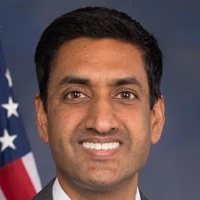
Ro Khanna
Representative
CA
Ro Khanna
Representative
CA
The Epstein Files Transparency Act mandates the Attorney General to publicly release all unclassified Department of Justice records related to Jeffrey Epstein and his associates within 30 days of the bill becoming law. This release must include materials concerning investigations, flight logs, settlements, and internal communications, with very limited exceptions for victim privacy or active investigations. The Act strictly prohibits withholding documents due to political sensitivity or reputational harm and requires detailed justification for any redactions made.
The EXPERTS Act of 2025 aims to reform federal rulemaking by increasing transparency around submitted studies, establishing new disclosure requirements for conflicts of interest, streamlining agency review timelines, and creating an Office of the Public Advocate focused on social equity.
Pramila Jayapal
Representative
WA
Pramila Jayapal
Representative
WA
The EXPERTS Act of 2025 aims to enhance transparency and accountability in the federal rulemaking process. It introduces new disclosure requirements for studies submitted during public comment periods and mandates greater public awareness of agency actions. Furthermore, the bill establishes the Office of the Public Advocate to improve public involvement and explicitly requires agencies to consider social equity in their cost-benefit analyses. Finally, it streamlines the Office of Information and Regulatory Affairs (OIRA) review timeline and clarifies judicial review standards for agency interpretations.
This bill establishes sanctions against foreign individuals responsible for human rights violations against LGBTQI people and mandates enhanced tracking and reporting of such abuses in annual human rights reports.

Sarah McBride
Representative
DE
Sarah McBride
Representative
DE
The Global Respect Act aims to promote and protect the human rights of LGBTQI individuals worldwide. It mandates the President to identify and report foreign persons responsible for human rights violations against LGBTQI people, leading to their inadmissibility to the United States. Furthermore, the Act requires enhanced tracking and reporting of violence and discrimination targeting individuals based on sexual orientation, gender identity, or sex characteristics in the annual human rights reports.