
Legislative Activity
Track Eleanor's sponsored bills, co-sponsored legislation, and voting record
This Act establishes the Julius Rosenwald and Rosenwald Schools National Historical Park and a related National Network to commemorate Julius Rosenwald's philanthropic legacy in African American education.

Danny Davis
Representative
IL
Danny Davis
Representative
IL
This Act establishes the **Julius Rosenwald and Rosenwald Schools National Historical Park** to commemorate the life and philanthropic legacy of Julius Rosenwald, particularly his partnership with Booker T. Washington to build over 5,000 schools for African American children in the segregated South. The bill designates specific sites for the park, including the former Sears complex in Chicago, and directs the National Park Service to establish a national network connecting remaining Rosenwald Schools across the country. This effort aims to preserve and interpret the profound impact these schools had on education and civil rights history.
This bill disapproves the CMS rule implementing prior authorization for select Medicare services under the WISeR Model.
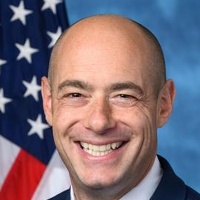
Greg Landsman
Representative
OH
Greg Landsman
Representative
OH
This bill expresses the disapproval of Congress for a new Centers for Medicare & Medicaid Services (CMS) rule requiring prior authorization for certain Medicare services under the WISeR Model. By disapproving the rule, Congress prevents its implementation. This action effectively blocks the proposed prior authorization requirement for select services.
This bill imposes a 100% tax and public reporting requirements on certain settlement payments received by former Presidents, their families, and related entities from civil actions against the United States.
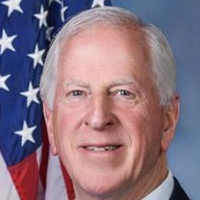
Mike Thompson
Representative
CA
Mike Thompson
Representative
CA
The SLUSH FUND Act of 2026 imposes a 100% tax on certain settlement payments received by former Presidents, their families, and related entities from funds originating from civil actions against the United States. This new tax is treated separately from standard income tax and cannot be deducted. The Act also mandates strict reporting requirements for those making these payments, with penalties for non-compliance.
This Act establishes comprehensive federal loan forgiveness and payment support for educators serving in high-need schools and early childhood education programs.
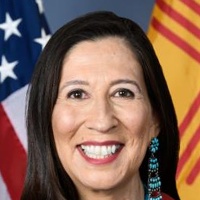
Teresa Leger Fernandez
Representative
NM
Teresa Leger Fernandez
Representative
NM
The Loan Forgiveness for Educators Act of 2026 establishes new federal loan forgiveness programs for teachers, school leaders, and early childhood educators serving in high-need schools or programs. Educators can achieve full loan forgiveness after five years of qualifying service, or receive monthly payment support during that time. The bill mandates the Secretary of Education to launch these programs within 270 days of enactment. It also includes specific provisions for Parent PLUS loan borrowers and ensures flexibility for educators whose school status changes.
The Extinction Prevention Act of 2026 establishes dedicated, multi-year grant funds to support the conservation of North American butterflies, Pacific Island plants, freshwater mussels, and Southwest desert fish.
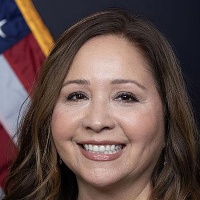
Adelita Grijalva
Representative
AZ
Adelita Grijalva
Representative
AZ
The Extinction Prevention Act of 2026 establishes dedicated conservation funds and competitive grant programs across four titles to protect threatened and endangered species. These titles focus on North American butterflies, Pacific Island plants, freshwater mussels, and Southwest desert fish. The legislation aims to provide reliable, multi-year funding for on-the-ground habitat restoration and research, prioritizing species already listed under the Endangered Species Act.
The Corporate Prosecution Reform Act establishes stricter judicial oversight, enhanced transparency, and standardized enforcement procedures for deferred and non-prosecution agreements involving corporate criminal offenses.
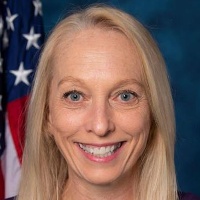
Mary Scanlon
Representative
PA
Mary Scanlon
Representative
PA
The Corporate Prosecution Reform Act strengthens oversight of corporate criminal activity by establishing stricter judicial standards for deferred prosecution agreements and mandating greater transparency in how the Department of Justice handles these cases. The bill creates a dedicated Office of Corporate Enforcement to monitor compliance and requires the public disclosure of all corporate settlement agreements. Additionally, it prohibits the use of non-prosecution agreements that rely solely on monetary payments, ensuring that corporate penalties prioritize accountability, victim compensation, and the deterrence of future offenses.
This Act restores overtime pay protections by phasing in higher minimum salary thresholds and tightening the duties test for executive, administrative, and professional employees exempt from federal overtime requirements.
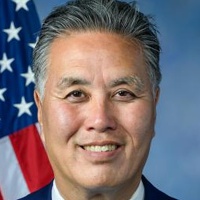
Mark Takano
Representative
CA
Mark Takano
Representative
CA
The Restoring Overtime Pay Act of 2026 significantly updates overtime exemptions under the Fair Labor Standards Act. It establishes a phased-in, rising minimum salary threshold for executive, administrative, and professional employees to qualify for overtime exemption, eventually tying it to national earnings data. Additionally, the bill tightens the "duties test," reducing the amount of non-exempt work an employee can perform while remaining exempt from overtime pay. These changes aim to restore overtime eligibility to more salaried workers.
The VOTE Act establishes minimum notification requirements for voters when their assigned polling place changes for a federal election.
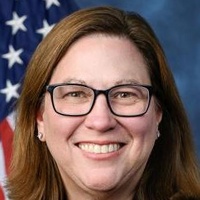
Julie Johnson
Representative
TX
Julie Johnson
Representative
TX
The VOTE Act establishes minimum notification requirements for voters when their assigned polling place changes for a federal election. It mandates that states notify affected voters through mail, phone, text, and email at least seven days before the election. The bill also sets specific notification rules for jurisdictions using vote centers and for locations that are no longer serving as polling places.
This resolution acknowledges the Black Women Best framework and supports its principles—including guaranteed income, expanded tax credits, equitable healthcare, and restorative justice—as a benchmark for creating more just public policies for all.
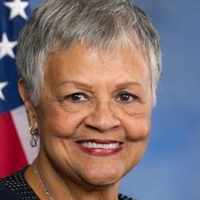
Bonnie Watson Coleman
Representative
NJ
Bonnie Watson Coleman
Representative
NJ
This resolution acknowledges the Black Women Best (BWB) framework, which seeks to empower and improve life for all through policies like guaranteed income, expanded tax credits, and equitable healthcare access. It supports centering the lived experiences of Black women in policymaking to ensure a more just future for everyone. The bill encourages using the BWB framework as a guideline for creating better public policies. Finally, it considers legislative proposals aimed at repairing historical disparities Black women face.
This act establishes a \$100,000 cap, subject to annual inflation adjustments, on the Post-9/11 GI Bill educational assistance payable for flight training at public colleges and universities for veterans starting training on or after August 1, 2026.
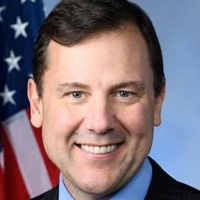
Thomas Kean
Representative
NJ
Thomas Kean
Representative
NJ
The Veterans Flight Training Responsibility Act of 2025 establishes a \$100,000 cap on the total educational assistance the VA will pay for flight training under the Post-9/11 GI Bill at public colleges and universities. This maximum benefit amount will automatically increase annually based on the Consumer Price Index to keep pace with inflation. This new limitation applies only to veterans beginning flight training programs on or after August 1, 2026.
The Moms Matter Act establishes grant programs to improve maternal mental health equity and expand the diverse workforce providing maternal mental and behavioral health care.
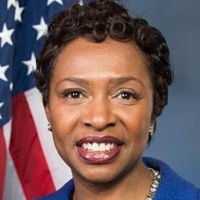
Yvette Clarke
Representative
NY
Yvette Clarke
Representative
NY
The Moms Matter Act establishes two grant programs to improve maternal mental health. The first program funds initiatives to expand mental health and substance use disorder services for pregnant and postpartum individuals, prioritizing high-risk populations. The second program provides grants to grow and diversify the workforce of mental and behavioral health providers specializing in maternal health.
The **Protecting Our Democracy Act** imposes sweeping restrictions on presidential power, enhances congressional oversight, strengthens ethics and anti-corruption laws, and bolsters accountability for federal officials.
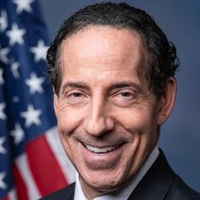
Jamie Raskin
Representative
MD
Jamie Raskin
Representative
MD
The **Protecting Our Democracy Act** imposes sweeping reforms across the executive branch to strengthen accountability and restore checks and balances. It restricts presidential pardon power, closes loopholes to ensure no President is above the law, and enforces constitutional emoluments clauses to prevent self-enrichment. Furthermore, the Act enhances congressional oversight by strengthening subpoena enforcement, increasing transparency around White House visitors and tax returns, and protecting federal whistleblowers from retaliation.
The Lainie Jones Comprehensive Cancer Survivorship Act of 2026 establishes a framework for improving cancer survivorship care through enhanced planning, payment models, employment assistance, grant programs, and expanded Medicaid coverage for transitions and fertility services.
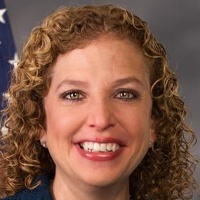
Debbie Wasserman Schultz
Representative
FL
Debbie Wasserman Schultz
Representative
FL
The Lainie Jones Comprehensive Cancer Survivorship Act of 2026 aims to improve the full spectrum of care for cancer survivors, from diagnosis through the remainder of life. The bill establishes an Office of Cancer Survivorship, mandates Medicare coverage for care planning, and creates programs to support employment and comprehensive survivorship services. It also requires Medicaid to cover essential transition services for childhood cancer survivors and mandates fertility preservation coverage for all cancer patients.
This Act funds data collection, research, public communication, and task force recommendations to improve maternal health outcomes during public health emergencies.

Lauren Underwood
Representative
IL
Lauren Underwood
Representative
IL
The Maternal Health Pandemic Response Act aims to improve maternal and infant health outcomes during public health emergencies. It authorizes significant funding for enhanced data collection, surveillance, and research across various CDC programs. Furthermore, the bill mandates public data disclosure, requires public health communication campaigns, and establishes a task force to develop federal recommendations for ensuring safe, respectful, and equitable maternity care during crises.
This resolution calls for a fundamental shift in U.S. trade policy to prioritize the interests of workers, farmers, small businesses, and the environment over corporate gains.

Rosa DeLauro
Representative
CT
Rosa DeLauro
Representative
CT
This resolution calls for a fundamental shift in U.S. trade policy to prioritize American workers, family farmers, and domestic production over corporate interests. It asserts that decades of corporate-centered trade have harmed communities and calls for a new framework built on strong labor, environmental, and domestic manufacturing standards. The bill demands that future trade policy actively support fair wages, strengthen "Buy America" requirements, and penalize offshoring.
This bill restricts the Department of Housing and Urban Development (HUD) from sharing personal information about housing assistance recipients except for benefit verification and determination purposes.

Dan Goldman
Representative
NY
Dan Goldman
Representative
NY
The HUD Data Privacy Act of 2026 establishes strict limits on how the Department of Housing and Urban Development can share personal information collected from housing assistance recipients. Information may only be shared with other entities for the specific purposes of benefit qualification verification and benefit determination. This Act explicitly prohibits the use of shared data for civil immigration enforcement purposes.
This resolution affirms that U.S. policy on mifepristone access must respect over 25 years of scientific evidence proving its safety and ensure equitable access based on the best available science.

Diana DeGette
Representative
CO
Diana DeGette
Representative
CO
This resolution expresses the sense of the House that policies governing access to mifepristone for medication abortion must be based on over 25 years of proven safety and effectiveness data. It affirms that access to this time-sensitive care should be equitable, transparent, and guided by the best available, peer-reviewed science, not political interference. The bill supports the FDA's authority to regulate based on evidence, including telemedicine and pharmacy dispensing.
This act establishes universal free breakfast and lunch programs in schools, eliminates meal debt, and updates poverty metrics across various federal education and nutrition programs.

Ilhan Omar
Representative
MN
Ilhan Omar
Representative
MN
The Universal School Meals Program Act of 2026 establishes permanent, universal free breakfast and lunch programs for all enrolled students at participating schools, eliminating income tests and meal debt collection. The bill significantly updates federal funding mechanisms by replacing reliance on free and reduced-price lunch data with new measures for identifying economically disadvantaged students across various education and social programs. Furthermore, it expands access to summer and afterschool meals while making technical amendments across several federal education and nutrition laws.
This Act establishes a fund administered by a Special Master to compensate law enforcement officers injured or killed while defending the U.S. Capitol on January 6, 2021.
Jamie Raskin
Representative
MD
Jamie Raskin
Representative
MD
This Act establishes the January 6th Law Enforcement Heroes Compensation Fund to provide financial compensation for injuries and deaths sustained by law enforcement officers defending the U.S. Capitol on January 6, 2021. The program will be administered by a Special Master appointed by the Attorney General, who will review claims for economic and noneconomic losses. The bill also mandates an additional, guaranteed payment for all eligible officers, funded in part by certain government settlement amounts related to the attack. Determinations made by the Special Master regarding compensation are final and not subject to judicial review.
This resolution supports designating May as Lyme and Tick-borne Disease Awareness Month to recognize the growing threat and call for stronger federal action to combat these illnesses.
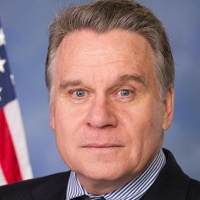
Christopher Smith
Representative
NJ
Christopher Smith
Representative
NJ
This resolution officially supports designating the month of May as "Lyme and Tick-borne Disease Awareness Month." It recognizes the significant and growing threat of Lyme disease across the United States. The bill commits to continuing efforts to raise public awareness and improve the federal response to these illnesses.