Legislative Activity
Track Mark's sponsored bills, co-sponsored legislation, and voting record
This Act mandates that abortion providers inform women about the possibility of reversing the effects of the first abortion pill and requires the Department of Health and Human Services to provide accessible online resources on the reversal process.
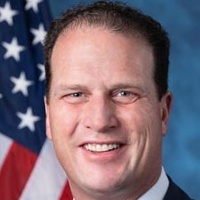
August Pfluger
Representative
TX
August Pfluger
Representative
TX
The Second Chance at Life Act of 2025 establishes new federal requirements for abortion providers offering chemical abortions involving two drugs. These rules mandate that doctors inform women about the possibility of reversing the effects of the first pill, mifepristone, at least 24 hours in advance. The law also requires specific signage in clinics and directs the Department of Health and Human Services to create an accessible, privacy-focused website detailing reversal information. Finally, it creates a pathway for civil lawsuits against providers who knowingly violate these new informed consent and disclosure mandates.
The "Tribal Labor Sovereignty Act of 2025" clarifies the rights of Indians and Indian Tribes on Indian lands under the National Labor Relations Act, defining key terms and including tribes in the definition of "employer."

John Moolenaar
Representative
MI
John Moolenaar
Representative
MI
The "Tribal Labor Sovereignty Act of 2025" amends the National Labor Relations Act by clarifying that Indian tribes and their tribally owned businesses on Indian lands are considered employers. This act defines key terms such as "Indian tribe," "Indian," and "Indian lands" to ensure clarity in its application. The change aims to affirm tribal sovereignty over labor relations within their lands.
This act establishes a safe harbor for ESOP fiduciaries by allowing reliance on independent expert valuations of company stock based on IRS Revenue Ruling 59-60 for determining "adequate consideration."

Rick Allen
Representative
GA
Rick Allen
Representative
GA
The Retire through Ownership Act establishes a safe harbor for fiduciaries of Employee Stock Ownership Plans (ESOPs) when valuing company stock for purposes of determining "adequate consideration" under ERISA. This safe harbor allows fiduciaries to rely on an independent expert's valuation if it uses the methods outlined in IRS Revenue Ruling 59-60. The bill clarifies valuation standards without altering a fiduciary's existing legal duties.
This act amends the Fair Labor Standards Act to exclude direct sellers and qualified real estate agents from the definition of "employee."
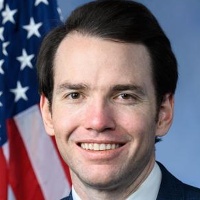
Kevin Kiley
Representative
CA
Kevin Kiley
Representative
CA
This act, the Direct Seller and Real Estate Agent Harmonization Act, amends the Fair Labor Standards Act to clarify employment status. Specifically, it excludes direct sellers and qualified real estate agents from the definition of "employee." This change aligns labor standards with existing IRS classifications for these professions.
This bill amends the Social Security Act to provide Medicare coverage for FDA-approved multi-cancer early detection screening tests starting in 2028.
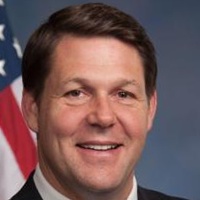
Jodey Arrington
Representative
TX
Jodey Arrington
Representative
TX
The Nancy Gardner Sewell Medicare Multi-Cancer Early Detection Screening Coverage Act amends the Social Security Act to provide Medicare Part B coverage for multi-cancer early detection screening tests starting January 1, 2028. This legislation establishes clear criteria for qualifying tests and outlines payment structures to ensure beneficiaries have access to these advanced diagnostic tools. Importantly, this coverage is designed to complement, rather than replace, existing Medicare-covered cancer screenings.
This Act mandates that new passenger motor vehicles sold in the U.S. must include standard equipment capable of receiving AM broadcast radio signals.

Gus Bilirakis
Representative
FL
Gus Bilirakis
Representative
FL
The AM Radio for Every Vehicle Act of 2025 mandates that the Secretary of Transportation establish a rule requiring AM broadcast radio receivers to be installed as standard equipment in new passenger motor vehicles. This requirement aims to ensure public access to AM radio signals, which are often used for emergency alerts. The bill also directs a GAO study on the effectiveness of AM radio within the national emergency alert system compared to other technologies. Finally, the Act preempts state and local laws on this matter and includes a sunset provision eight years after enactment.
This Act ensures the automatic continuation of pay for active duty military personnel and essential civilian support staff if Congress fails to pass a budget for fiscal year 2026.
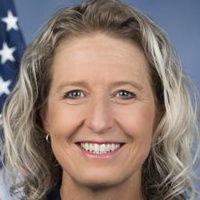
Jennifer Kiggans
Representative
VA
Jennifer Kiggans
Representative
VA
The Pay Our Troops Act of 2026 ensures that active duty military personnel and essential civilian support staff continue to receive their pay if Congress has not yet passed the full budget for fiscal year 2026. This act provides automatic continuing appropriations from the Treasury to prevent a lapse in military salaries due to budget delays. The funding automatically terminates once a new budget or continuing resolution is passed, or on January 1, 2027, whichever comes first.
This bill protects firearm licensees from license revocation for self-reported or correctable violations by requiring notice, a chance to fix mistakes, and granting federal courts the power to review revocations *de novo*.
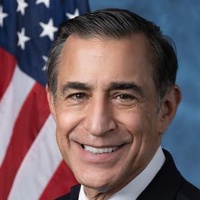
Darrell Issa
Representative
CA
Darrell Issa
Representative
CA
The FIREARM Act aims to protect licensed firearm dealers from overly harsh penalties for minor or self-reported mistakes. It establishes new standards requiring the government to provide notice and an opportunity for dealers to correct violations before license revocation. Furthermore, the bill retroactively applies these protections to licenses previously revoked under a specific 2021 enforcement policy, allowing affected individuals a path to reapply.
This resolution formally condemns the assassination of Charlie Kirk and reaffirms the right to peaceful assembly against political violence.
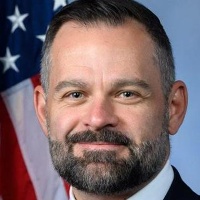
Cory Mills
Representative
FL
Cory Mills
Representative
FL
This resolution formally condemns the horrific political assassination of conservative spokesman Charlie Kirk on September 10, 2025, in Orem, Utah. It expresses deep condolences to his family and recognizes the bravery of the first responders at the scene. Ultimately, the measure reaffirms the fundamental American right to peaceful assembly and stands firmly against political violence.
This Act bans Members of Congress and their immediate families from trading or owning specific investments while in office, requiring divestment within 90 to 180 days or facing significant financial penalties.

Chip Roy
Representative
TX
Chip Roy
Representative
TX
The Restore Trust in Congress Act establishes strict new rules prohibiting Members of Congress and their immediate families from owning or trading specific financial assets, referred to as "covered investments," while in office. Covered individuals must divest existing prohibited holdings within a set timeframe or face significant financial penalties, including fines and forfeiture of profits. The legislation aims to eliminate conflicts of interest arising from personal financial trading while serving in federal office.
This Act streamlines U.S. arms export controls and eliminates certain certification requirements for defense transfers and technical agreements involving Australia and the United Kingdom under the AUKUS partnership.

Gabe Amo
Representative
RI
Gabe Amo
Representative
RI
The AUKUS Improvement Act of 2025 streamlines defense cooperation between the United States, Australia, and the United Kingdom. This legislation eases restrictions on the export, re-export, and transfer of defense articles among the three nations, removing certain presidential authorization requirements. Furthermore, it eliminates specific certification requirements for technical assistance and manufacturing license agreements conducted within Australia or the United Kingdom. Overall, the bill aims to increase flexibility and efficiency in defense trade and technology sharing under the AUKUS partnership.
This Act strengthens the Biobased Markets Program to boost domestic biomanufacturing, increase federal procurement of biobased products, and establish clear labeling standards.
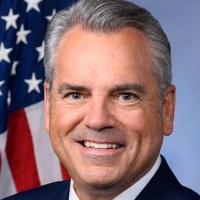
Mark Alford
Representative
MO
Mark Alford
Representative
MO
The Biomanufacturing and Jobs Act of 2025 aims to strengthen the U.S. biobased products industry by increasing federal procurement of these items made from agricultural materials. The bill updates definitions, enhances reporting requirements, and mandates training to ensure federal agencies prioritize purchasing biobased goods. Additionally, it establishes a temporary USDA Task Force to coordinate and improve federal support for research, development, and marketing in this sector. Finally, the Act strengthens labeling rules to prevent the misuse of terms like "biobased" and protects proprietary business information during enforcement.
The Veterans’ ACCESS Act of 2025 improves veteran health care by establishing clear eligibility standards for community care, mandating timely mental health treatment, and streamlining administrative processes to ensure faster, more transparent access to services.
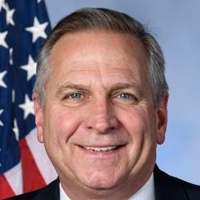
Mike Bost
Representative
IL
Mike Bost
Representative
IL
The Veterans’ ACCESS Act of 2025 strengthens the Veterans Community Care Program by establishing clear, enforceable standards for care eligibility and wait times while streamlining the referral process. The legislation also overhauls access to residential mental health and substance abuse treatment, ensuring veterans receive timely, localized care with robust oversight. Additionally, it mandates the development of digital tools and pilot programs to reduce bureaucratic hurdles and improve transparency across the VA healthcare system.
This act prohibits federal law from considering the provision of benefits when determining an individual's employment status.
Kevin Kiley
Representative
CA
Kevin Kiley
Representative
CA
The Modern Worker Security Act prohibits federal law from considering the provision of benefits when determining an individual's employment status. This means benefits commonly associated with full-time employment can no longer be used as a factor in classifying a worker. The goal is to clarify the definition of an employee by removing benefit considerations from the determination process.
This bill establishes a federal right for producers to sell covered livestock and their derived products across state lines, preempting state and local regulations on the raising of animals outside their jurisdiction.
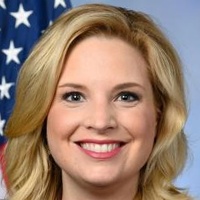
Ashley Hinson
Representative
IA
Ashley Hinson
Representative
IA
The Save Our Bacon Act establishes a federal right for producers to move and sell products derived from covered livestock across state lines, ensuring a single national market. This legislation prevents individual states from imposing unique production standards on livestock or products raised outside their borders. Essentially, it standardizes regulations to ensure free interstate commerce for meat and dairy products, excluding those primarily derived from egg-laying animals.
This act establishes a new two-part test under the Fair Labor Standards Act and the National Labor Relations Act to determine when an individual is classified as an independent contractor rather than an employee.
Kevin Kiley
Representative
CA
Kevin Kiley
Representative
CA
The Modern Worker Empowerment Act establishes a new, two-part test under federal law to determine if a worker is an independent contractor rather than an employee. This test focuses on the degree of control exercised over the work's details and whether the worker has the risks and opportunities of entrepreneurship. The Act applies this updated classification standard to both the Fair Labor Standards Act and the National Labor Relations Act.
The LEAD Act of 2025 reclassifies certain advanced, reusable unmanned aircraft systems under export controls to treat them like manned aircraft rather than missile technology.
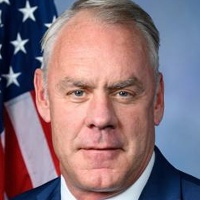
Ryan Zinke
Representative
MT
Ryan Zinke
Representative
MT
The LEAD Act of 2025 reclassifies the export control of specific advanced, reusable unmanned aircraft systems. This legislation mandates that these covered drones be treated the same as manned aircraft systems for the purpose of implementing Missile Technology Control Regime (MTCR) guidelines. The goal is to separate these advanced drone technologies from stricter export controls typically applied to missile technology and launch vehicles. The President is required to update relevant export regulations within 180 days to reflect this new policy.
This Act significantly raises the financial thresholds governing reporting and approval requirements for U.S. Foreign Military Sales under the Arms Export Control Act.
Ryan Zinke
Representative
MT
Ryan Zinke
Representative
MT
The Streamlining Foreign Military Sales Act of 2025 amends the Arms Export Control Act by significantly raising the dollar thresholds for various financial reporting and approval requirements related to U.S. foreign military sales. This legislation aims to streamline the process by adjusting these key spending limits. The changes affect numerous sections governing the sale of defense articles and services to foreign nations.
This Act modernizes seasonal agricultural CDLs by allowing online renewal for eligible employees and clarifying that implements of husbandry are not considered commercial motor vehicles.
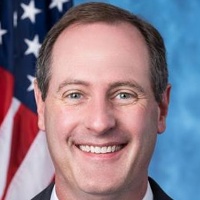
Tracey Mann
Representative
KS
Tracey Mann
Representative
KS
The Seasonal Agriculture CDL Modernization Act streamlines the process for farm workers by allowing states to establish online systems for renewing seasonal, restricted Commercial Driver's Licenses (CDLs). This legislation also clarifies that implements of husbandry (farm equipment) are not classified as commercial motor vehicles for licensing purposes. Overall, the bill aims to modernize and simplify CDL requirements for those in the farm-related service industries.
This bill expedites security assistance to Middle Eastern and North African partners who normalize relations with Israel and cooperate against Iranian threats, while safeguarding Israel's qualitative military edge.
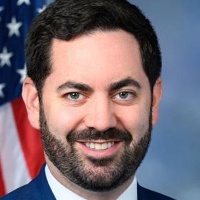
Michael Lawler
Representative
NY
Michael Lawler
Representative
NY
The Abraham Accords Defense Against Terror Act expedites security assistance and defense sales to Middle Eastern and North African countries that have normalized relations with Israel and cooperate against Iranian threats. This process requires a shortened 15-day congressional notification period from the President for approved transfers. Furthermore, the State Department must submit regular, public reports detailing the security strategy, threat assessments, and progress in countering Iranian proxies. Crucially, the Act ensures that these provisions do not undermine Israel's qualitative military edge.