Legislative Activity
Track Seth's sponsored bills, co-sponsored legislation, and voting record
This resolution recognizes the 15th anniversary of the 2011 Tucson shooting, honoring the victims, survivors, and the ongoing advocacy of Gabby Giffords.
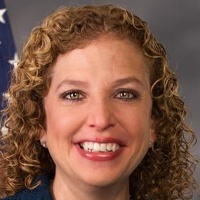
Debbie Wasserman Schultz
Representative
FL
Debbie Wasserman Schultz
Representative
FL
This resolution commemorates the 15th anniversary of the tragic January 8, 2011, Tucson shooting, honoring the six lives lost and the thirteen injured. It specifically commends the courage and ongoing advocacy of gun violence survivor and former Congresswoman Gabby Giffords. The resolution also recognizes the resilience of the community and reaffirms a commitment to ending political violence.
This bill prohibits the use of federal funds for military force in or against Venezuela through 2026 unless Congress declares war or passes a specific authorizing law, with exceptions for defensive actions.
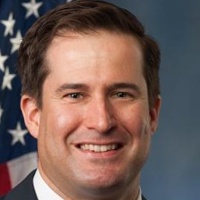
Seth Moulton
Representative
MA
Seth Moulton
Representative
MA
This bill prohibits the use of federal funds for military force in or against Venezuela through the end of 2026. This restriction remains in place unless Congress formally declares war or passes a new, specific authorization for military action that complies with the War Powers Resolution. An exception is made for necessary defensive actions, such as repelling a sudden attack.
This bill establishes a federal multi-agency task force to combat the illegal importation, distribution, and sale of e-cigarettes.
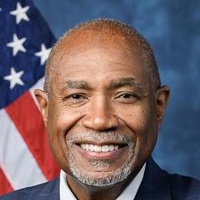
Herbert Conaway
Representative
NJ
Herbert Conaway
Representative
NJ
The S.T.O.P. Illicit Vapes Act establishes a high-level, multi-agency federal task force to combat the illegal importation, distribution, and sale of unauthorized e-cigarettes. Co-chaired by the Attorney General and the Secretary of Health and Human Services, this group will coordinate enforcement strategies and share information. The task force is required to meet regularly and submit detailed semi-annual reports to Congress outlining enforcement actions and recommendations for new legal authorities.
This bill imposes comprehensive sanctions on Russia for its war against Ukraine while permanently extending the U.S. sanctions authority against Iran.

Brian Fitzpatrick
Representative
PA
Brian Fitzpatrick
Representative
PA
The Peace Through Strength Against Russia Act of 2025 imposes comprehensive sanctions on Russia's financial, military, and energy sectors in response to its war against Ukraine. This legislation cuts off major Russian banks from the U.S. financial system and bans new American investment in Russia. Additionally, the bill makes the existing sanctions authority against Iran permanent by removing its expiration date.
This bill establishes a five-year prohibition and strict licensing requirements for exporting advanced integrated circuits to designated countries of concern.
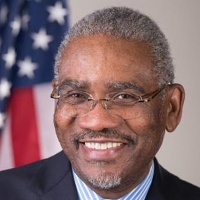
Gregory Meeks
Representative
NY
Gregory Meeks
Representative
NY
The RESTRICT Act establishes a five-year prohibition on exporting certain advanced integrated circuits to designated "countries of concern." It amends export control laws to require a license for exporting these sensitive chips to any "covered country." The bill also sets strict criteria for U.S. persons to qualify for an exemption from these licensing requirements.
This resolution condemns antisemitism amplified by AI, urges robust platform safeguards, and encourages stakeholder collaboration to counter this threat while upholding constitutional rights.
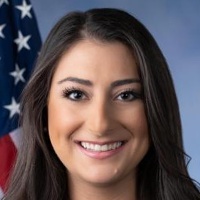
Sara Jacobs
Representative
CA
Sara Jacobs
Representative
CA
This resolution condemns antisemitism in all its forms, particularly its proliferation on artificial intelligence (AI) platforms. It urges technology companies to implement robust, transparent safeguards to prevent AI systems from generating or amplifying antisemitic content. The bill encourages the development of standards, research, and public awareness initiatives to combat this threat while ensuring all actions remain consistent with constitutional protections.
The ARMENIA Security Partnership Act mandates a review of U.S. security assistance for Armenia and restricts aid to Azerbaijan unless specific conditions regarding regional peace and human rights are met.
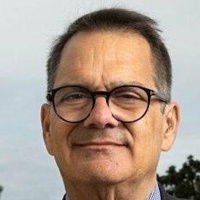
Gus Bilirakis
Representative
FL
Gus Bilirakis
Representative
FL
The ARMENIA Security Partnership Act requires the Secretary of Defense to certify that Azerbaijan has taken specific steps toward peace and regional stability before continuing certain security waivers. If this certification cannot be made, the Act mandates a comprehensive review of Armenia’s defense needs and restricts the President’s authority to waive security assistance limitations. This legislation aims to bolster Armenia’s self-defense capabilities and deter regional aggression.
This Act establishes a comprehensive federal strategy to combat rising antisemitism through policy statements, enhanced security grants, improved hate crime reporting, and specific mandates for educational institutions and federal agencies, while prohibiting the weaponization of antisemitism for partisan goals.
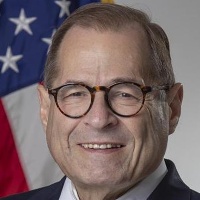
Jerrold Nadler
Representative
NY
Jerrold Nadler
Representative
NY
The Antisemitism Response and Prevention Act of 2025 aims to combat rising antisemitism through comprehensive federal action, emphasizing evidence-based strategies consistent with democratic values. The bill establishes new offices within the DOJ and FBI to coordinate counter-efforts and improve hate crime data collection. Furthermore, it mandates specific compliance and reporting requirements for colleges regarding civil rights and prohibits partisan conditions on nonprofit security grants.
The Schedules That Work Act establishes rights for employees to request flexible schedules, mandates advance notice and predictability pay for schedule changes in covered sectors, and grants employees rest time between shifts.
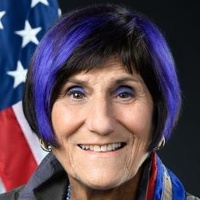
Rosa DeLauro
Representative
CT
Rosa DeLauro
Representative
CT
The Schedules That Work Act aims to provide workers with greater stability and predictability in their work hours. It grants employees the right to request flexible or stable schedules and requires employers to engage in a good-faith discussion about these requests. For covered sector employees (like retail and food service), the bill mandates 14 days' advance notice of schedules and establishes "predictability pay" for last-minute changes or split shifts. The Act also grants employees the right to 11 hours of rest between shifts, with premium pay required if this rest period is violated.
The Part-Time Worker Bill of Rights Act expands FMLA eligibility to part-time employees and establishes protections against scheduling discrimination, ensuring fair access to benefits and work hours.

Janice Schakowsky
Representative
IL
Janice Schakowsky
Representative
IL
The Part-Time Worker Bill of Rights Act aims to strengthen protections and expand benefits for part-time and temporary employees. The legislation eliminates restrictive hours-of-service requirements for FMLA leave and prohibits discrimination based on hours worked regarding pay, benefits, and promotion opportunities. Additionally, it mandates that employers offer available work hours to existing staff before hiring new employees or contractors.
The Essential Caregivers Act of 2025 guarantees nursing home and long-term care residents the right to designate an essential caregiver who maintains access to them even during public health emergencies.
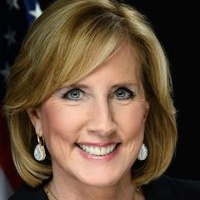
Claudia Tenney
Representative
NY
Claudia Tenney
Representative
NY
The Essential Caregivers Act of 2025 protects the rights of residents in long-term care facilities to designate an essential caregiver who can provide support and companionship. This legislation ensures that these caregivers maintain in-person access to residents even during public health emergencies when general visitation is restricted. By establishing clear protocols and an appeals process, the bill aims to prevent the harmful effects of isolation and ensure residents continue to receive vital care and advocacy.
This Act shifts control of certain munitions exports from the Commerce Department to the State Department and establishes new strategies and reporting requirements to combat illegal U.S. firearm trafficking to Mexico, Central America, and the Caribbean.
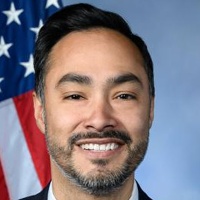
Joaquin Castro
Representative
TX
Joaquin Castro
Representative
TX
The Americas Regional Monitoring of Arms Sales (ARMAS) Act of 2025 seeks to combat illegal firearms trafficking to Mexico, Central America, and the Caribbean. It transfers regulatory control of certain munitions exports from the Department of Commerce back to the Department of State. The bill also mandates comprehensive reporting, strategy development, and increased tracking of U.S. firearm exports to designated "covered countries."
This Act establishes a grant program to fund state, local, and Tribal governments for the complete destruction of firearms.
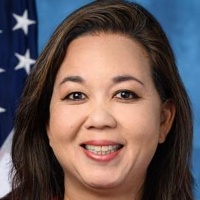
Jill Tokuda
Representative
HI
Jill Tokuda
Representative
HI
The Restoring Trust in Public Safety Act establishes a grant program to fund the complete destruction of firearms by state, local, and Tribal governments. Eligible entities can apply for competitive grants to cover costs associated with destruction equipment, services, and training. Grantees must certify that all firearms and components are fully destroyed and maintain detailed records of the process.
This act nullifies a recent Executive Order regarding federal labor relations and ensures existing collective bargaining agreements remain in effect.
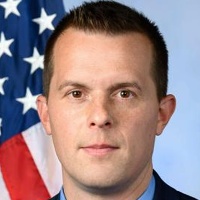
Jared Golden
Representative
ME
Jared Golden
Representative
ME
The Protect America's Workforce Act nullifies a specific Executive Order issued in March 2025 concerning exclusions from federal labor-management relations programs. This legislation ensures that any existing collective bargaining agreements between federal agencies and employee unions remain fully in effect until their stated expiration dates. The Act also prohibits the use of federal funds to implement the overturned Executive Order.
This bill establishes a grant program to fund statewide senior legal hotlines providing free civil legal assistance to older Americans.
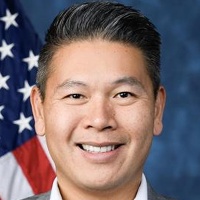
Derek Tran
Representative
CA
Derek Tran
Representative
CA
The Senior Legal Hotline Act of 2025 establishes a new federal grant program to support the creation and operation of statewide senior legal hotlines. These grants, administered under the Older Americans Act, will be awarded to eligible nonprofit organizations to provide free legal advice, counseling, and referrals to older individuals across an entire state. Grantees must meet specific operational requirements, including ensuring adequate staffing and coordinating services with existing legal and aging networks.
This bill establishes federal grant programs and workforce initiatives to address community trauma through coordinated local efforts, expanded hospital interventions, and enhanced professional training across healthcare, education, and law enforcement.
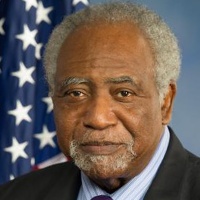
Danny Davis
Representative
IL
Danny Davis
Representative
IL
The Resilience Investment, Support, and Expansion from Trauma Act (RISE from Trauma Act) establishes new federal grant programs to fund local coordination efforts and hospital-based interventions aimed at addressing community trauma. It also strengthens the national network for child trauma support and expands workforce development initiatives. The bill seeks to improve outcomes for children, youth, and families by increasing trauma-informed training for professionals in healthcare, education, and law enforcement. Ultimately, this legislation aims to build more resilient communities through coordinated prevention, intervention, and healing strategies.
The CARE for First Responders Act expands crisis counseling and establishes specialized mental health services and mobile crisis grants for emergency responders and public safety telecommunicators following major disasters.
Jill Tokuda
Representative
HI
Jill Tokuda
Representative
HI
The CARE for First Responders Act expands crisis counseling assistance to include emergency responders and public safety telecommunicators following major disasters. The bill establishes a comprehensive mental health program providing 24/7 confidential support, including a dedicated hotline and peer counseling. Additionally, it creates a grant program to fund mobile crisis units offering on-site mental health services to first responders during disaster response.
This bill significantly increases civil penalties across various federal labor laws, strengthens enforcement for health plan compliance, establishes penalties for employer unfair labor practices, and treats certain recordkeeping failures as continuing violations.
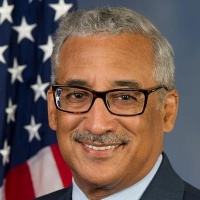
Robert Scott
Representative
VA
Robert Scott
Representative
VA
The Labor Enforcement to Securely Protect Workers (LETS Protect Workers) Act significantly increases civil penalties for violations across major federal labor laws, including child labor, wage and hour, and workplace safety standards. It strengthens enforcement mechanisms for mine safety violations and retaliation against miners, while also establishing new penalties for employer unfair labor practices under the National Labor Relations Act. Furthermore, the bill enhances enforcement for health plan parity and makes certain recordkeeping failures under OSHA and FLSA continuing violations.
This resolution commends state and local governments for championing reproductive rights as human rights while condemning abortion restrictions and criminalization following the *Dobbs* decision.
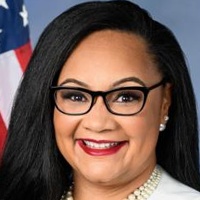
Nikema Williams
Representative
GA
Nikema Williams
Representative
GA
This concurrent resolution commends state and local governments for championing reproductive rights as human rights following the overturning of *Roe v. Wade*. It declares that denying abortion care leads to severe health risks and highlights the criminalization of pregnancy outcomes across the U.S. The resolution urges states to repeal abortion restrictions and affirm that reproductive rights are fundamental human rights.
This act increases the annual and aggregate loan limits for Federal Direct Unsubsidized Stafford Loans for graduate and professional students, effective July 1, 2026.
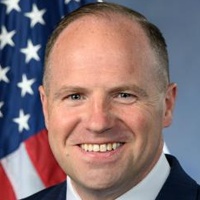
Timothy Kennedy
Representative
NY
Timothy Kennedy
Representative
NY
The Loan Equity for Advanced Professionals Act raises the federal student loan limits for graduate and professional students. Effective July 1, 2026, the annual borrowing limit for Federal Direct Unsubsidized Stafford Loans will increase to \$50,000, and the aggregate limit will rise to \$200,000. This aims to provide greater financial support for advanced degree candidates.