Legislative Activity
Track Seth's sponsored bills, co-sponsored legislation, and voting record
This bill mandates that biomedical products developed with federal research funding be sold at reasonable prices, ensuring U.S. residents are not charged more than the median price in comparable high-income nations.
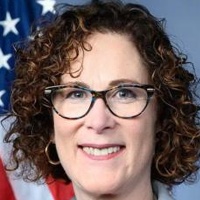
Valerie Hoyle
Representative
OR
Valerie Hoyle
Representative
OR
The Affordable Pricing for Taxpayer-Funded Prescription Drugs Act of 2026 mandates that biomedical products developed with federal research funding must be sold at a reasonable price. It establishes a price ceiling based on international benchmarks to ensure U.S. residents do not pay more than those in other high-income nations. Additionally, the bill increases transparency by requiring manufacturers to publicly report clinical trial costs, federal subsidies, and annual revenues for these products.
This bill reauthorizes the Accelerating Access to Critical Therapies for ALS Act through 2031 while enhancing grant oversight, safety reporting requirements, and FDA strategic planning for rare neurodegenerative diseases.

Mike Quigley
Representative
IL
Mike Quigley
Representative
IL
The Accelerating Access to Critical Therapies for ALS Reauthorization Act of 2026 extends vital funding for ALS research and clinical trial programs through 2031. This legislation strengthens oversight by enhancing grant review processes, improving safety reporting requirements, and mandating a comprehensive five-year FDA action plan to accelerate the development of treatments for rare neurodegenerative diseases.
The Medicaid Dental Benefit Act of 2026 mandates comprehensive dental coverage for adults under state Medicaid programs while establishing new federal quality standards, reporting requirements, and outreach initiatives to improve oral health equity.
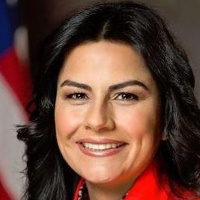
Nanette Barragán
Representative
CA
Nanette Barragán
Representative
CA
The Medicaid Dental Benefit Act of 2026 mandates that all state Medicaid programs provide comprehensive dental and oral health coverage for adults beginning January 1, 2027. To support this transition, the bill provides three years of 100% federal funding for these core services and establishes new national quality and equity reporting standards. Additionally, the legislation requires federal outreach programs to improve access to care and mandates a comprehensive report on the state of adult oral health in the United States.
The "Combating Illicit Xylazine Act" aims to combat the misuse of xylazine by adding it to Schedule III of the Controlled Substances Act, tracking its distribution, and ensuring appropriate penalties for related offenses, while also protecting legitimate veterinary use.
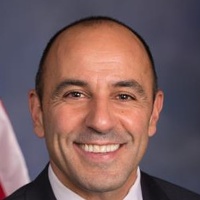
Jimmy Panetta
Representative
CA
Jimmy Panetta
Representative
CA
The "Combating Illicit Xylazine Act" aims to combat the illegal use of xylazine by adding it to Schedule III of the Controlled Substances Act, which would allow for increased regulation and tracking of the substance. The bill includes exemptions and delayed effective dates for certain requirements to ease the transition for legitimate users, such as veterinarians and animal handlers. It also directs the Sentencing Commission to review sentencing guidelines for xylazine-related offenses and mandates reports to Congress on the prevalence and impact of illicit xylazine use. Finally, it will include xylazine in Arcos tracking.
The AADAPT Act expands grant eligibility and funding to integrate dementia care services into health centers through 2031.
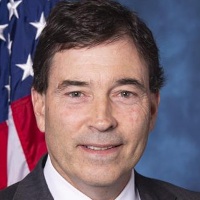
Troy Balderson
Representative
OH
Troy Balderson
Representative
OH
The AADAPT Act expands access to specialized dementia care by authorizing grants for public and nonprofit health centers to integrate these services into their programs. Additionally, the bill extends federal funding authorization through 2031 to ensure the continued growth and sustainability of these critical health outcomes.
This bill reauthorizes and updates federal vector-borne disease initiatives and grant programs through 2030 to improve the prevention, identification, and response to tick-borne illnesses.
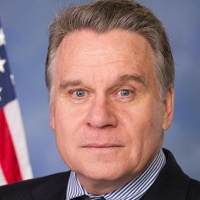
Christopher Smith
Representative
NJ
Christopher Smith
Representative
NJ
The Kay Hagan Tick Act reauthorization extends federal funding and support for vector-borne disease initiatives through 2030. This legislation updates national strategy requirements and enhances the capacity of regional centers and health departments to identify, prevent, and respond to tick-borne and other vector-borne illnesses.
The Interagency Council on Affordable Housing Act of 2026 establishes a federal council to coordinate national policy, improve program efficiency, and expand the supply of affordable housing through interagency and cross-governmental collaboration.
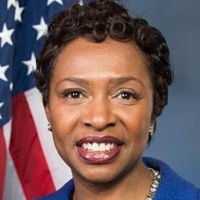
Yvette Clarke
Representative
NY
Yvette Clarke
Representative
NY
The Interagency Council on Affordable Housing Act of 2026 establishes a new independent federal agency tasked with coordinating a national strategy to increase the supply of affordable housing and improve rental market fairness. The Council will unite various federal departments to streamline housing programs, provide technical assistance to state and local governments, and ensure better access to housing resources for low-income populations. Through research, reporting, and interagency collaboration, the Council aims to foster a unified national approach to addressing homelessness and housing affordability.
This bill mandates electronic prior authorization, increases transparency through required data reporting, and establishes faster decision timelines for Medicare Advantage plans to improve timely access to care for seniors.
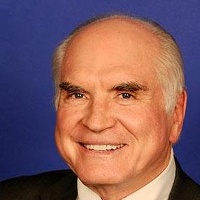
Mike Kelly
Representative
PA
Mike Kelly
Representative
PA
The Improving Seniors’ Timely Access to Care Act of 2025 aims to streamline and modernize the prior authorization process within Medicare Advantage plans. This bill mandates the adoption of electronic prior authorization systems and significantly increases transparency regarding approval rates and decision times starting in 2027. Furthermore, it establishes new enrollee protections and grants the Secretary authority to enforce faster decision timeframes for medical services.
This resolution designates July 10th as Journeyman Lineworkers Recognition Day to honor the essential service and sacrifices of the professionals who maintain our nation’s power grid.
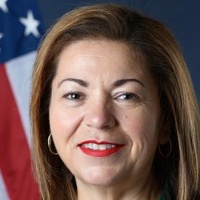
Linda Sánchez
Representative
CA
Linda Sánchez
Representative
CA
This resolution designates July 10th as Journeyman Lineworkers Recognition Day to honor the essential, high-risk work performed by these skilled professionals. It pays tribute to the lineworkers who provide critical service during emergencies and recognizes those who have made the ultimate sacrifice in the line of duty.
The Green Ribbon Act of 2026 establishes programs within the Department of Education and the Institute of Museum and Library Services to recognize and support schools and nonformal learning institutions in achieving environmental sustainability, health, and literacy goals, while also creating an Office of School Infrastructure and Sustainability.
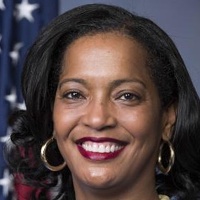
Jahana Hayes
Representative
CT
Jahana Hayes
Representative
CT
The Green Ribbon Act of 2026 establishes a Department of Education program to recognize schools achieving excellence in environmental literacy, emission reductions, and positive health impacts. It also creates a parallel award program for non-formal learning institutions through the Institute of Museum and Library Services. Furthermore, the Act establishes a new Office of School Infrastructure and Sustainability within the Department of Education to provide technical assistance and oversee these initiatives.
The Home Internet Accessibility Act mandates a comprehensive federal assessment and strategic plan to expand broadband infrastructure and connectivity within federally assisted housing.
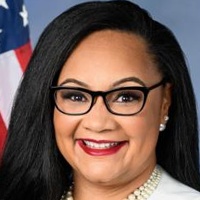
Nikema Williams
Representative
GA
Nikema Williams
Representative
GA
The Home Internet Accessibility Act mandates a comprehensive assessment of broadband infrastructure within federally assisted housing to identify gaps in connectivity and physical capacity. Following this report, the Department of Housing and Urban Development is required to develop a strategic plan to retrofit these properties for modern internet access. This legislation aims to bridge the digital divide by providing Congress with the data and actionable recommendations necessary to ensure all federally assisted housing can support reliable broadband service.
This bill realigns the mission of the DHS Office of Intelligence and Analysis to equally prioritize providing actionable intelligence and fostering two-way collaboration with state, local, tribal, territorial governments, and private sector entities alongside its support to the intelligence community.
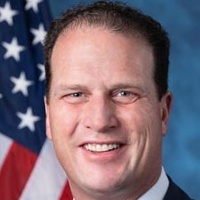
August Pfluger
Representative
TX
August Pfluger
Representative
TX
The I&A Mission Reorientation Act of 2026 realigns the mission of the DHS Office of Intelligence and Analysis (I&A). This legislation mandates that I&A equally prioritize and resource its support for State, local, Tribal, and territorial governments and private sector entities alongside its support for the intelligence community. The bill emphasizes fostering two-way information sharing and requires a report detailing the implementation of this mission shift.
This bill renames and revises the Great American Outdoors Act's maintenance fund, increases dedicated funding through new, higher fees for foreign visitors, and sets spending priorities for deferred maintenance across public lands agencies.
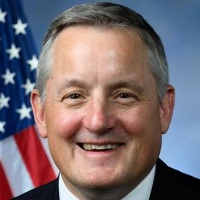
Bruce Westerman
Representative
AR
Bruce Westerman
Representative
AR
This bill, the Great American Outdoors Act 250, significantly reforms and renames the existing public lands restoration fund to the America’s Legacy Restoration Fund. It secures dedicated funding streams, primarily from energy revenues and new fees on foreign visitors, to address critical deferred maintenance across the National Park Service, Forest Service, and other public land agencies. The legislation establishes strict spending priorities for infrastructure repair while also creating pilot programs for enhancing outdoor recreation and sportsmen's access. Finally, it mandates increased transparency and accountability through standardized metrics and public reporting on all funded projects.
This bill expresses support for designating June as Portuguese National Heritage Month to recognize the significant contributions of Portuguese Americans to the United States.
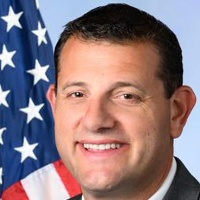
David Valadao
Representative
CA
David Valadao
Representative
CA
This resolution expresses the House of Representatives' support for designating June as Portuguese National Heritage Month. It recognizes the significant and diverse contributions of Portuguese Americans throughout U.S. history across various fields. The bill encourages Americans to observe the month with activities celebrating this rich heritage.
This act doubles the maximum Pell Grant award, makes funding mandatory, extends eligibility to Dreamer students, restores previous eligibility limits, and reforms Satisfactory Academic Progress rules.
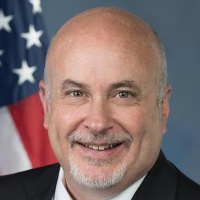
Mark Pocan
Representative
WI
Mark Pocan
Representative
WI
The Pell Grant Preservation and Expansion Act of 2026 aims to significantly strengthen federal student aid by doubling the maximum Pell Grant award and funding it through mandatory appropriations. This bill also expands eligibility to include Dreamer students, restores Pell Grant eligibility for students with certain scholarships, and reforms Satisfactory Academic Progress (SAP) rules to make regaining aid easier after academic setbacks. These changes are designed to stabilize and expand access to postsecondary education for millions of students.
This bill significantly strengthens child labor protections under federal law by expanding definitions of oppressive labor, increasing penalties, enhancing supply chain accountability, and imposing new requirements on federal contractors.

Rosa DeLauro
Representative
CT
Rosa DeLauro
Representative
CT
The CHILD Labor Act significantly strengthens protections against child labor by expanding the definition of oppressive child labor and requiring updated regulations for hazardous work under the Fair Labor Standards Act. It enhances enforcement through supply chain accountability, extended "hot goods" restrictions, liability for successor businesses, and increased civil and criminal penalties for violations. Furthermore, the Act imposes strict child labor requirements on federal contractors and recipients of federal financial assistance.
This Act expands and modernizes paid family and medical leave for federal employees, congressional staff, and certain D.C. employees, adding coverage for victims of violence, fertility challenges, and surrogacy.
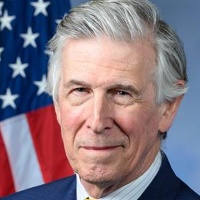
Donald Beyer
Representative
VA
Donald Beyer
Representative
VA
The Comprehensive Paid Leave for Federal Employees Act significantly expands and modernizes paid family and medical leave for federal workers across various agencies, including the Postal Service and Congressional staff. This legislation introduces new qualifying reasons for leave, such as recovery from domestic violence, sexual assault, or fertility challenges. It also adjusts service requirements, leave duration rules, and establishes repayment/work obligation agreements for certain paid leave.
This resolution honors the victims and survivors of the December 13, 2025, Brown University shooting, commends first responders, and calls for Congressional action to end gun violence.
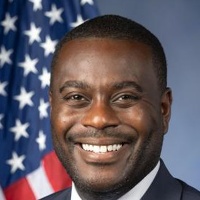
Gabe Amo
Representative
RI
Gabe Amo
Representative
RI
This resolution formally honors the victims and survivors of the tragic December 13, 2025, mass shooting at Brown University. It recognizes the bravery of the first responders and condemns this senseless act of violence. The bill expresses solidarity with the affected community and calls for Congressional action to end gun violence.
The Local Communities & Bird Habitat Stewardship Act of 2026 establishes a voluntary program and grant initiative to support community-led efforts in conserving, restoring, and protecting bird habitats within urban areas.

Debbie Dingell
Representative
MI
Debbie Dingell
Representative
MI
The Local Communities Bird Habitat Stewardship Act of 2026 establishes a voluntary Urban Bird Treaty Program to protect and restore bird habitats within urban areas. Through partnerships and a competitive grant program, the initiative supports local organizations in reducing urban hazards, conducting scientific monitoring, and engaging communities in conservation efforts.
This bill establishes a mandatory timeline and binding arbitration process to expedite the negotiation of first-time collective bargaining agreements between employers and newly certified unions.
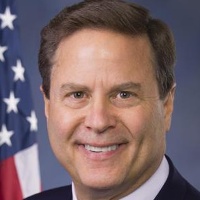
Donald Norcross
Representative
NJ
Donald Norcross
Representative
NJ
The Faster Labor Contracts Act aims to speed up the process of securing a first collective bargaining agreement after a union is certified. It establishes a mandatory timeline, including mediation and binding arbitration, if an agreement is not reached within 90 days of bargaining. This process is designed to prevent lengthy delays that currently weaken the union's position. The bill also requires a GAO report on current time-to-contract averages.