This bill establishes a federal multi-agency task force to combat the illegal importation, distribution, and sale of e-cigarettes.
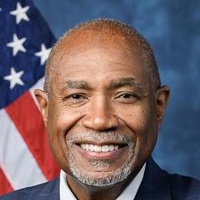
Herbert Conaway
Representative
NJ-3
The S.T.O.P. Illicit Vapes Act establishes a high-level, multi-agency federal task force to combat the illegal importation, distribution, and sale of unauthorized e-cigarettes. Co-chaired by the Attorney General and the Secretary of Health and Human Services, this group will coordinate enforcement strategies and share information. The task force is required to meet regularly and submit detailed semi-annual reports to Congress outlining enforcement actions and recommendations for new legal authorities.
Federal Task Force Launches 10-Year War on Illicit Vapes, Mandating Bi-Annual Reports to Congress
When we talk about public health, sometimes the biggest challenge is getting everyone on the same page. The S.T.O.P. Illicit Vapes Act (Strengthening Task Force Operations to Prevent Illicit Vapes Act) is essentially an effort to fix that by forcing nearly a dozen federal agencies into the same war room to tackle unauthorized e-cigarettes. This bill mandates the creation of a massive, multi-agency task force within 30 days of enactment, specifically designed to develop and implement a comprehensive strategy to reduce the number of illegal vapes flooding the market.
The All-Star Team of Enforcement
Think of this as assembling the Avengers of federal enforcement, but their target is flavored nicotine cartridges sold under the table. The task force will be co-chaired by the Attorney General (DOJ) and the Secretary of Health and Human Services (HHS), signifying that this is being treated as both a public health crisis and a law enforcement problem. The roster includes heavy hitters like the FDA, U.S. Customs and Border Protection (CBP), the FBI, the Bureau of Alcohol, Tobacco, Firearms and Explosives (ATF), and even the U.S. Postal Inspection Service. This combined effort aims to hit the illegal vape trade from all angles—from importation and manufacturing right down to distribution and online sales. For the average person, this means a more coordinated effort to keep unapproved, potentially harmful products off the shelves of corner stores and out of online marketplaces.
The Grind: Meetings, Reports, and Accountability
This isn't a task force that meets once and dissolves; it has a clear, decade-long mandate. The bill requires the group to meet at least once every 30 days, which is a serious commitment for agency heads. More importantly, it requires them to submit detailed reports to key congressional committees twice a year (by April 30 and October 31). These reports must detail every enforcement action taken—criminal prosecutions, civil cases, seizures—against unauthorized manufacturers, importers, and distributors. They also have to tell Congress what new legal powers they need to actually win this fight. This reporting requirement is the accountability mechanism, ensuring that the agencies can’t just talk about coordination; they have to show results and prove their strategies are working.
What This Means for the Real World
For consumers and parents, this bill signals a serious federal attempt to clear the market of products that haven't gone through the FDA’s approval process. If you’re a legitimate business owner selling only authorized tobacco products, this coordinated crackdown on illicit competitors could level the playing field. On the flip side, the people who will feel the immediate heat are those involved in the unauthorized supply chain—the importers bringing products through ports (CBP), the distributors moving them across state lines (FBI/ATF), and those using the mail to ship them (Postal Inspection Service). The task force’s success hinges on whether these agencies, which often operate in silos, can actually blend their unique legal authorities and intelligence. The bill is a strong structural foundation, but the next 10 years will show if they can translate monthly meetings into effective street-level enforcement.