Legislative Activity
Track Jennifer's sponsored bills, co-sponsored legislation, and voting record
This act mandates the Department of Defense to create a strategic plan establishing uniform protocols, training, and awareness campaigns for military mental health self-referrals and support.
Gilbert Cisneros
Representative
CA
Gilbert Cisneros
Representative
CA
The Brandon Act Training and Protocol Act mandates the Secretary of Defense to develop a comprehensive strategic plan to improve mental health services and address suicide among service members. This plan requires establishing uniform protocols for the self-initiated mental health referral process and implementing standardized mental health training for all personnel. The goal is to ensure service members are fully aware of and can easily access mental health support.
This act prohibits state and local governments from enacting regulations that restrict energy service based on the type or source of energy sold in interstate commerce.
Nicholas Langworthy
Representative
NY
Nicholas Langworthy
Representative
NY
The Energy Choice Act places federal restrictions on state and local governments, preventing them from enacting regulations that prohibit or limit energy service based on its type or source. This means local governments cannot ban or restrict access to energy services sold in interstate commerce. The legislation aims to ensure consistent access to various energy sources across jurisdictions.
The Mikaela Naylon Give Kids a Chance Act primarily focuses on enhancing pediatric drug research, ensuring completion of pediatric study requirements, extending incentives for rare pediatric disease treatments, and making targeted updates to FDA and organ transplant network operations.
Michael McCaul
Representative
TX
Michael McCaul
Representative
TX
The Mikaela Naylon Give Kids a Chance Act focuses primarily on improving pediatric drug development and ensuring patient access to necessary treatments. This legislation mandates new research requirements for molecularly targeted pediatric cancer drugs, strengthens FDA enforcement of pediatric study completion, and extends incentives for developing drugs for rare pediatric diseases. Additionally, the bill updates organ transplant network functions and establishes an Abraham Accords Office within the FDA to enhance international regulatory cooperation.
This bill mandates Medicare coverage for lung cancer biomarker testing starting January 1, 2027, paying 100% of reasonable charges.
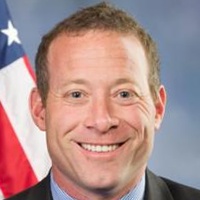
Josh Gottheimer
Representative
NJ
Josh Gottheimer
Representative
NJ
This bill, the Lung Cancer Medicare Access to Precise Testing Act, mandates that Medicare begin covering lung cancer biomarker testing for diagnosed individuals starting January 1, 2027. The legislation ensures Medicare will pay 100 percent of the reasonable charges for these tests, which analyze tissue or bodily fluids to identify specific biomarkers.
This resolution recognizes the Ukrainian famine of 1932-1933, the Holodomor, as a genocide engineered by the Soviet Union and condemns current Russian aggression against Ukraine.
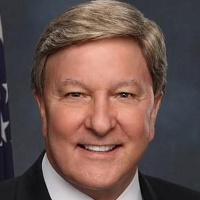
Mike Rogers
Representative
AL
Mike Rogers
Representative
AL
This resolution expresses the sense of the House of Representatives recognizing the Ukrainian famine of 1932-1933, known as the Holodomor, as a genocide perpetrated by the Soviet Union. It condemns the systematic starvation and repression of the Ukrainian people under Soviet rule. Furthermore, the resolution remembers the victims and encourages the dissemination of information about this historical tragedy.
This resolution establishes December 1, 2025, as Chosin Few Day to recognize the 75th anniversary of the heroic and costly breakout by UN forces during the Battle of the Chosin Reservoir in the Korean War.
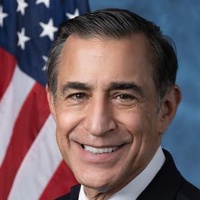
Darrell Issa
Representative
CA
Darrell Issa
Representative
CA
This resolution recognizes the 75th anniversary of the Battle of the Chosin Reservoir during the Korean conflict and designates December 1, 2025, as Chosin Few Day. It honors the courage and sacrifice of the United States and allied forces who fought in extreme conditions against overwhelming odds. The bill commemorates the successful evacuation from Hungnam and reaffirms the nation's lasting gratitude to all who served.
This bill mandates prompt notification to parents and Congress when suspected child abuse or neglect is reported within military childcare and youth programs.
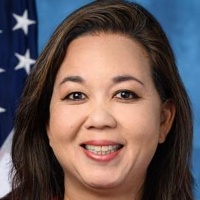
Jill Tokuda
Representative
HI
Jill Tokuda
Representative
HI
This act mandates the Department of Defense to establish a policy requiring immediate notification to parents and Congress upon the discovery of suspected child abuse or neglect within military childcare and youth programs. Covered programs must notify parents within 24 hours and relevant congressional committees and representatives within 72 hours of an allegation. This ensures transparency and timely communication regarding the safety of military dependents in care settings.
This resolution officially recognizes November 2025 as National Family Caregivers Month to honor the vital contributions of millions of unpaid family caregivers and advocate for supportive policies.
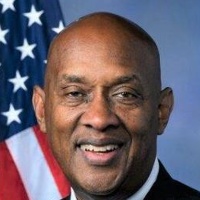
Dwight Evans
Representative
PA
Dwight Evans
Representative
PA
This resolution officially recognizes November 2025 as National Family Caregivers Month to honor the vital, unpaid contributions of the 63 million family caregivers across the nation. It acknowledges the significant financial, physical, and emotional burdens these individuals face while supporting loved ones. Furthermore, the bill encourages federal agencies and the private sector to implement strategies and invest in policies that provide essential support, such as paid leave and tax credits, for these caregivers.
This bill expands Medicare coverage for medical nutrition therapy services to treat a wider range of chronic conditions and allows more healthcare providers to order these services.
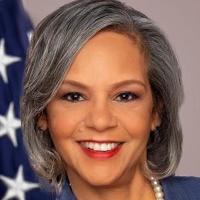
Robin Kelly
Representative
IL
Robin Kelly
Representative
IL
This bill, the Medical Nutrition Therapy Act of 2025, aims to significantly expand Medicare coverage for medical nutrition therapy services. It broadens the list of covered chronic conditions beyond diabetes and kidney disease to include obesity, hypertension, cancer, and more. Furthermore, the legislation allows a wider range of healthcare providers, such as nurse practitioners and physician assistants, to order these medically necessary nutrition services.
This Act prohibits foreign states and sovereign wealth funds from funding U.S. litigation unless they are a party, and mandates disclosure of all foreign third-party litigation funding in civil actions.

Ben Cline
Representative
VA
Ben Cline
Representative
VA
This Act prohibits foreign states and sovereign wealth funds from funding U.S. civil litigation where they are not a party. It mandates strict disclosure requirements for any foreign third-party litigation funding in federal cases. Failure to comply can result in the dismissal of the case and other sanctions. The Attorney General must also report annually to Congress on the use of such foreign funding.
This act ensures the uninterrupted storage of National Oceanic and Atmospheric Administration (NOAA) data sets by restricting the Secretary of Commerce's ability to cancel cloud service contracts without a transition plan.
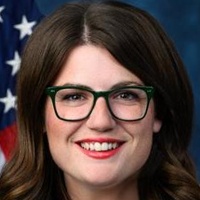
Sarah Elfreth
Representative
MD
Sarah Elfreth
Representative
MD
The NOAA Data Preservation Act aims to ensure the uninterrupted storage of critical National Oceanic and Atmospheric Administration (NOAA) data sets. This legislation restricts the Secretary of Commerce from canceling cloud storage contracts unless a comprehensive plan for seamless data transition and protection is established in collaboration with NOAA. The bill focuses on maintaining continuous access to vital environmental data.
This bill mandates the revision of the Standard Occupational Classification system to establish a distinct code for Direct Support Professionals to better recognize their critical role in supporting individuals with disabilities.
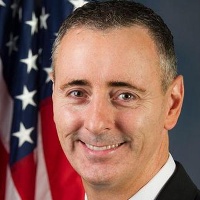
Brian Fitzpatrick
Representative
PA
Brian Fitzpatrick
Representative
PA
The Recognizing the Role of Direct Support Professionals Act aims to address the critical shortage and high turnover among Direct Support Professionals (DSPs) who assist individuals with intellectual and developmental disabilities. The bill mandates that the Office of Management and Budget review and revise the Standard Occupational Classification system to establish a distinct code for DSPs. This change will allow for more accurate labor market data collection to better support these essential workers. The Act does not authorize any new funding.
This act mandates Medicare coverage for FDA-approved early detection screening tests for Alzheimer's disease and related dementias beginning in 2028.
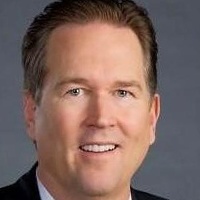
Vern Buchanan
Representative
FL
Vern Buchanan
Representative
FL
The Alzheimer’s Screening and Prevention Act of 2025 (ASAP Act) amends Medicare to cover early detection screening tests for Alzheimer's disease and related dementias starting in 2028. This coverage applies to FDA-cleared tests, including genomic sequencing and other equivalent diagnostic methods, designed to detect pre-symptomatic or early-stage conditions. The bill ensures these screenings are added to the list of covered medical services under Medicare.
This resolution expresses support for designating November as Prematurity Awareness Month to highlight the urgent maternal and infant health crisis and the need to prevent preterm births.
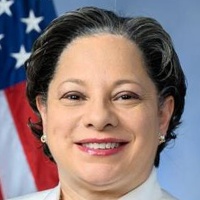
Jennifer McClellan
Representative
VA
Jennifer McClellan
Representative
VA
This resolution expresses support for designating November as Prematurity Awareness Month to highlight the ongoing maternal and infant health crisis in the U.S. It draws attention to alarming rates of preterm birth and unacceptable racial disparities in maternal and infant mortality. The bill advocates for increased investment in research and public health programs to prevent preterm births and reduce associated risk factors.
The BRAVE Act of 2025 seeks to significantly improve veteran mental health care by addressing workforce shortages, modernizing Vet Center infrastructure, tailoring support for women veterans, and enhancing coordination between the VA and DoD.
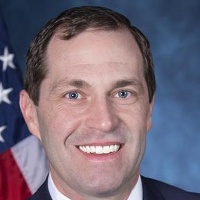
Jason Crow
Representative
CO
Jason Crow
Representative
CO
The BRAVE Act of 2025 aims to significantly improve mental health care for veterans by strengthening the workforce through pay and qualification adjustments, modernizing Vet Center infrastructure and technology, and enhancing specialized support for women veterans. The bill mandates comprehensive reports to address staffing shortages, improve service coordination between VA entities, and ensure outreach efforts are data-driven and tailored to specific veteran needs. Ultimately, this legislation seeks to increase the accessibility, quality, and relevance of mental health and readjustment services across the Department of Veterans Affairs.
This bill mandates the VA to submit and implement a comprehensive plan to improve health care appointment scheduling for veterans through new technology and processes.
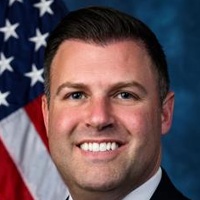
Ryan Mackenzie
Representative
PA
Ryan Mackenzie
Representative
PA
The Improving Veteran Access to Care Act requires the Department of Veterans Affairs (VA) to submit a comprehensive plan to Congress for improving health care appointment scheduling. This plan must detail necessary actions, resources, and timelines to enhance efficiency and patient experience. Key objectives include developing a system allowing both staff and patients to view available appointments and establishing a self-service platform for veterans to fully schedule, request referrals for, and manage their appointments online. The VA must fully implement this plan within a specified timeframe and report on its progress to Congress.
This bill mandates the creation and sale of a special USPS stamp to raise funds for paying down veterans' medical debt owed to the VA.
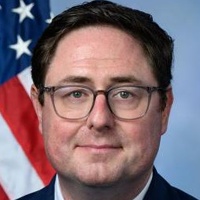
Mike Flood
Representative
NE
Mike Flood
Representative
NE
This bill mandates the U.S. Postal Service to create and sell a "Veterans Medical Debt Relief Stamp." All proceeds from the sale of this special stamp will be transferred directly to the Department of Veterans Affairs. The VA must then use these funds exclusively to pay down medical debt, including copayments and coinsurance, owed by veterans for VA and Community Care Program services.
This act ensures the uninterrupted funding of the Supplemental Nutrition Assistance Program (SNAP) for fiscal year 2026, even if Congress delays passing the full USDA budget.
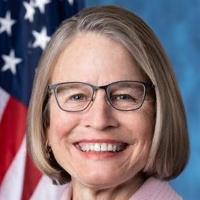
Mariannette Miller-Meeks
Representative
IA
Mariannette Miller-Meeks
Representative
IA
The Keep SNAP Funded Act of 2025 ensures that Supplemental Nutrition Assistance Program (SNAP) benefits continue without interruption if Congress fails to pass the full Department of Agriculture budget by October 1, 2025. This legislation authorizes automatic funding from the Treasury to maintain benefit payments. Furthermore, it guarantees that any benefits missed due to a funding lapse will be paid retroactively once the bill is enacted.
This bill authorizes the striking and presentation of a Congressional Gold Medal to Donald J. Trump in recognition of his alleged extraordinary peacemaking efforts and brokered international agreements.
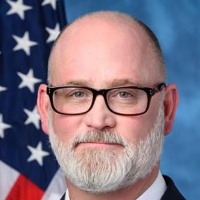
Derrick Van Orden
Representative
WI
Derrick Van Orden
Representative
WI
This bill authorizes the striking and presentation of a Congressional Gold Medal to Donald J. Trump in recognition of his alleged extraordinary peacemaking efforts globally. Congress specifically cites several purported international peace deals and ceasefires secured by the former President as justification for this high honor. The Act also outlines the process for creating and selling bronze duplicates of the medal to cover production costs.
This resolution condemns the October 7th Hamas attacks, demands the immediate and unconditional surrender of Hamas and the release of all hostages, and reaffirms support for Israel's right to self-defense while condemning global antisemitism.
Josh Gottheimer
Representative
NJ
Josh Gottheimer
Representative
NJ
This resolution strongly condemns the brutal October 7th attacks by Hamas, demanding the immediate and unconditional surrender of the terrorist group and the release of all hostages, including Americans. It reaffirms Israel's right to self-defense while urging international action against Hamas and condemning the global surge in antisemitism. The measure serves as a formal statement of U.S. policy and support following the attacks.