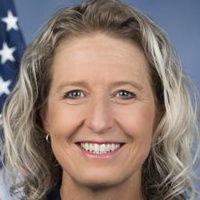
Legislative Activity
Track Jennifer's sponsored bills, co-sponsored legislation, and voting record
This bill temporarily funds the FAA using the Aviation Insurance Revolving Fund during a lapse in appropriations and extends non-premium war risk insurance provisions.
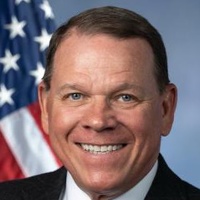
Sam Graves
Representative
MO
Sam Graves
Representative
MO
The Aviation Funding Solvency Act establishes a temporary mechanism to ensure the Federal Aviation Administration (FAA) can continue essential operations if Congress fails to pass regular appropriations. This allows the FAA Administrator to draw upon the Aviation Insurance Revolving Fund to maintain operations at the previous year's funding rate. The temporary funding ceases once a new appropriation or continuing resolution is enacted. The bill also makes a technical amendment regarding non-premium war risk insurance.
This act mandates the Department of Veterans Affairs to conduct a comprehensive review of veteran suicides and associated prescription practices over the preceding five years, followed by a public report to Congress.
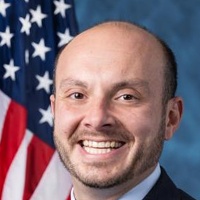
Andrew Garbarino
Representative
NY
Andrew Garbarino
Representative
NY
The Veteran Suicide Prevention Act mandates the Department of Veterans Affairs (VA) to conduct a comprehensive review of veteran suicides over the preceding five years, focusing on prescription practices. This review will analyze medication use, diagnoses, and demographic data for veterans who died by suicide while receiving VA care. The VA must then submit a detailed report of its findings and recommendations to Congress and the public.
This bill establishes a digital system for military beneficiaries to file and track complaints about access to care at military medical facilities and mandates an annual report analyzing these issues.
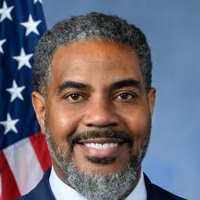
Steven Horsford
Representative
NV
Steven Horsford
Representative
NV
The Military CARE Act establishes a digital system for military beneficiaries to easily file and track complaints regarding access to care at military medical facilities. It mandates the creation of an annual report analyzing these complaints to identify trends and inform improvements. This aims to enhance transparency and accountability in military healthcare access.
This bill establishes TRICARE coverage for fertility treatments, including IVF, for active duty service members and their dependents beginning October 1, 2027.
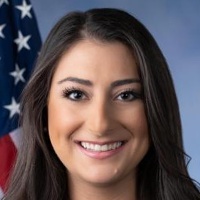
Sara Jacobs
Representative
CA
Sara Jacobs
Representative
CA
This bill, the Bipartisan IVF for Military Families Act, mandates that TRICARE provide coverage for fertility treatments, including IVF, for active duty service members and their dependents starting in late 2027. The legislation outlines specific coverage limits for egg retrievals and embryo transfers while prohibiting the use of DoD funds for certain procedures like preimplantation genetic screening. It also requires the establishment of a program to coordinate this specialized fertility care for military families.
This Act prohibits the Department of Defense from using fiscal year 2026 funds to implement hiring freezes, reductions in force, or unjustified hiring delays at public shipyards.
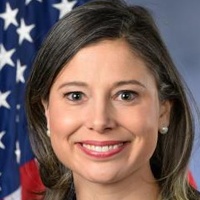
Maggie Goodlander
Representative
NH
Maggie Goodlander
Representative
NH
This act prohibits the Department of Defense from using fiscal year 2026 funds to implement a hiring freeze, a reduction in force, or unjustified delays in filling vacant positions at public shipyards. The goal is to ensure stable staffing levels necessary for shipyard operations.
This bill eliminates the five-month waiting period for Social Security disability benefits and the 24-month waiting period for Medicare coverage for individuals diagnosed with young-onset Alzheimer's disease.
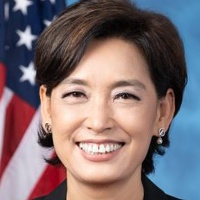
Young Kim
Representative
CA
Young Kim
Representative
CA
The BRIDGE for Young-Onset Alzheimer’s Disease Act of 2025 aims to provide immediate financial and medical support to individuals diagnosed with young-onset Alzheimer's disease. This bill eliminates the five-month waiting period for Social Security disability insurance benefits and waives the standard 24-month waiting period for Medicare coverage for these individuals. By making these changes, the legislation treats young-onset Alzheimer's the same as ALS regarding access to critical federal benefits.
The Essential Caregivers Act of 2025 guarantees nursing home and long-term care residents the right to designate an essential caregiver who maintains access to them even during public health emergencies.
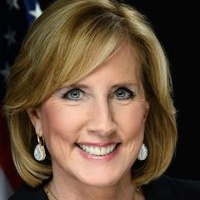
Claudia Tenney
Representative
NY
Claudia Tenney
Representative
NY
The Essential Caregivers Act of 2025 protects the rights of residents in long-term care facilities to designate an essential caregiver who can provide support and companionship. This legislation ensures that these caregivers maintain in-person access to residents even during public health emergencies when general visitation is restricted. By establishing clear protocols and an appeals process, the bill aims to prevent the harmful effects of isolation and ensure residents continue to receive vital care and advocacy.
This bill mandates improvements to the military's financial literacy training by revising the required financial survey and requiring better tracking and addressing of training completion.
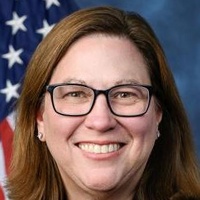
Julie Johnson
Representative
TX
Julie Johnson
Representative
TX
This Act strengthens financial literacy requirements for service members by shifting responsibility for the financial literacy survey to the Secretary of Defense and expanding the data collected. It mandates improvements to tracking and addressing non-completion of mandatory training. Furthermore, the legislation requires the development of a strategy to evaluate the effectiveness of the Department of Defense's financial education programs.
This bill establishes the Professional Student Degree Act to define "professional degree" for student loan purposes, including specific advanced degrees required for professional practice.
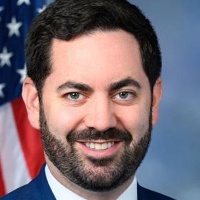
Michael Lawler
Representative
NY
Michael Lawler
Representative
NY
The Professional Student Degree Act seeks to amend the Higher Education Act by formally defining what constitutes a "professional degree" for student loan purposes. This definition specifies degrees that prepare students to immediately begin practicing in a profession and require a skill level beyond a standard bachelor's degree. The bill explicitly lists numerous professional degrees, such as Law, Medicine, and specialized health fields, under this new classification.
This bill authorizes Congress to award Congressional Gold Medals to the 1980 U.S. Men's Olympic Ice Hockey team for their historic "Miracle on Ice" victory.
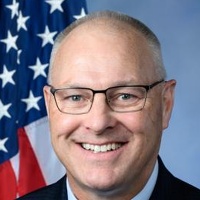
Pete Stauber
Representative
MN
Pete Stauber
Representative
MN
This bill, the Miracle on Ice Congressional Gold Medal Act, officially authorizes Congress to award Congressional Gold Medals to the 1980 U.S. Men's Olympic Ice Hockey Team for their historic "Miracle on Ice" victory. The medals will be struck by the Treasury and permanently displayed at specific national sports museums. The Act also permits the sale of duplicate bronze medals to cover production costs.
This act mandates a Government Accountability Office study on barriers, waitlists, payment rates, and inflation's impact on child care access and affordability under existing federal programs.
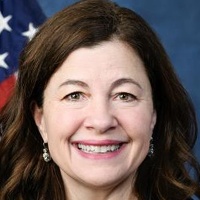
Kristen McDonald Rivet
Representative
MI
Kristen McDonald Rivet
Representative
MI
The Child Care Access and Affordability Act of 2025 mandates the Government Accountability Office (GAO) to conduct a comprehensive study on the state of child care access and affordability. This study will examine barriers to meeting state standards, the extent of child care waitlists, current payment rates for providers, and the impact of inflation on the system. The findings will be reported to Congress to inform future policy decisions regarding the Child Care and Development Block Grant Act.
This bill mandates the creation of a single, uniform medical credentialing and privileging system shared by the Department of Defense and the Department of Veterans Affairs.
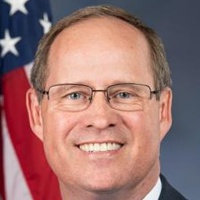
Gregory Murphy
Representative
NC
Gregory Murphy
Representative
NC
This bill mandates the Department of Defense and the Department of Veterans Affairs to create a single, uniform system for credentialing and privileging medical providers. The departments must first report on their existing systems and then jointly select one system to be implemented by January 1, 2028. This integration aims to streamline the process for medical providers serving both agencies.
This act establishes a grant program to help state, local, territorial, and tribal governments hire, retain, and train prosecutors and support staff.
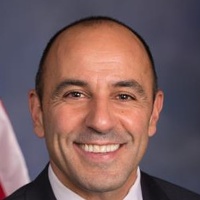
Jimmy Panetta
Representative
CA
Jimmy Panetta
Representative
CA
The Helping Improve Recruitment and Retention Efforts for Prosecutors Act of 2025 establishes a federal grant program to assist state, local, territorial, and tribal governments in hiring, retaining, and training prosecutors and support staff. Administered by the Attorney General, the program will award competitive grants, prioritizing offices in underserved or budget-impacted areas. This initiative is authorized with $10 million annually from 2026 through 2030, requiring a 25% non-federal match unless waived.
This bill mandates a comprehensive report on the use of drones and counter-drone technology by government agencies, along with recommendations for policy changes and bolstering domestic manufacturing.
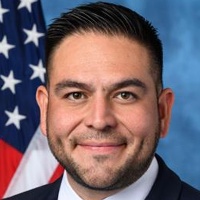
Gabriel (Gabe) Vasquez
Representative
NM
Gabriel (Gabe) Vasquez
Representative
NM
The Secure Our Skies Drone Safety Act of 2025 mandates a comprehensive one-year study by the Comptroller General on the use of drones and counter-drone technology by all levels of government. This report must analyze current agency deployment, sourcing of equipment, and operational policies. Crucially, it will provide recommendations for updating legal authorities and strengthening domestic manufacturing capabilities for UAS technology.
The ePermit Act mandates the creation of a standardized, digital system for managing federal environmental reviews and project permits to improve efficiency, transparency, and data sharing.
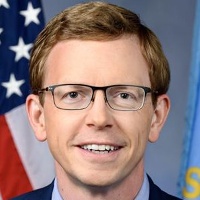
Dusty Johnson
Representative
SD
Dusty Johnson
Representative
SD
The ePermit Act mandates the creation of a unified, digital system for managing all federal environmental reviews and project permits. This system will standardize data, automate processes, and provide real-time public access to review status and documents. The goal is to increase transparency, efficiency, and data interoperability across federal agencies involved in project authorizations.
This bill extends and enhances Affordable Care Act premium tax credits, implements anti-fraud measures for insurance enrollment, increases PBM accountability in Medicare Part D, mandates full rebate pass-through for ERISA plans, and expands Health Savings Account eligibility for certain Exchange enrollees.
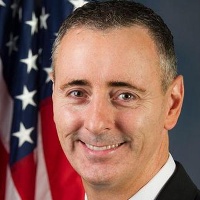
Brian Fitzpatrick
Representative
PA
Brian Fitzpatrick
Representative
PA
The Bipartisan Health Insurance Affordability Act aims to lower healthcare costs by extending and enhancing premium tax credits for Marketplace insurance through 2027. It also institutes strict new anti-fraud measures and verification processes for agents and brokers enrolling consumers in Exchange plans. Furthermore, the bill imposes significant transparency and accountability requirements on Pharmacy Benefit Managers (PBMs) in Medicare Part D and mandates a full pass-through of rebates in certain private health plans. Finally, it expands access to Health Savings Accounts (HSAs) for certain Exchange enrollees.
This Act establishes a grant program and coordination efforts to support the nationwide implementation and security of Next Generation 911 systems.
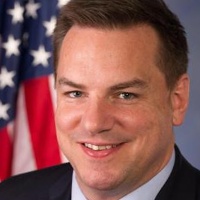
Richard Hudson
Representative
NC
Richard Hudson
Representative
NC
The Next Generation 911 Act establishes a new federal grant program to support states and Tribes in deploying modern, multimedia-capable Next Generation 911 (NG911) systems nationwide. This legislation tasks the National Telecommunications and Information Administration (NTIA) with coordinating implementation, providing technical assistance, and overseeing the distribution of funds. Grantees must submit detailed implementation plans focusing on interoperability, reliability, and cybersecurity to receive funding. The Act also mandates the creation of a dedicated Cybersecurity Center and an advisory board composed of public safety professionals.
This bill establishes a safe harbor from patent infringement lawsuits for generic drugs and biosimilars when their labeling and marketing do not reference patented methods of use.

Ben Cline
Representative
VA
Ben Cline
Representative
VA
The Skinny Labels, Big Savings Act establishes a legal safe harbor protecting generic drug and biosimilar manufacturers from patent infringement lawsuits related to specific "method of use" patents. This protection applies when these manufacturers comply with FDA approval processes and limit their labeling and marketing to approved uses, excluding patented methods. The goal is to facilitate the entry of lower-cost generic and biosimilar alternatives into the market.
This bill directs the Secretary of Defense to establish a pilot program sending informational text messages to service members and their dependents at Marine Corps bases in Okinawa, Japan.
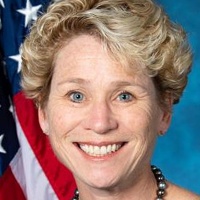
Chrissy Houlahan
Representative
PA
Chrissy Houlahan
Representative
PA
This bill directs the Secretary of Defense to establish a pilot program to deliver timely and relevant information via text message to service members and their adult dependents stationed at Marine Corps bases in Okinawa, Japan. The program will automatically enroll recipients, who will receive updates on employment, childcare, TRICARE benefits, and policy changes. The Secretary must report on the program's implementation, usage, and recommendations for potential expansion by October 2027.
The HELP Copays Act mandates that financial assistance from non-profits and drug manufacturers must count toward a patient's deductible, copay, and out-of-pocket maximum for prescription drugs.
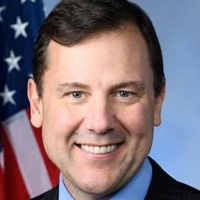
Thomas Kean
Representative
NJ
Thomas Kean
Representative
NJ
The HELP Copays Act requires that financial assistance provided by non-profit organizations and drug manufacturers must count toward a patient's deductible, copayments, and out-of-pocket maximums for prescription drugs. This change ensures that patient assistance dollars directly reduce the amount a patient must pay before their coverage fully kicks in. The legislation specifically applies to specialty drugs and those subject to utilization management. These provisions will take effect for plan years beginning on or after January 1, 2026.