This act mandates the Department of Defense to create a strategic plan establishing uniform protocols, training, and awareness campaigns for military mental health self-referrals and support.
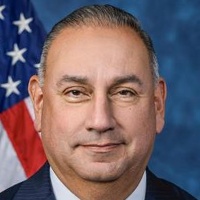
Gilbert Cisneros
Representative
CA-31
The Brandon Act Training and Protocol Act mandates the Secretary of Defense to develop a comprehensive strategic plan to improve mental health services and address suicide among service members. This plan requires establishing uniform protocols for the self-initiated mental health referral process and implementing standardized mental health training for all personnel. The goal is to ensure service members are fully aware of and can easily access mental health support.
Brandon Act Mandates New Military Mental Health Protocols: DOD Must Standardize Self-Referral and Training
The Brandon Act Training and Protocol Act requires the Department of Defense (DOD) to overhaul its approach to mental health and suicide prevention for service members. This isn't just a suggestion; Section 2 mandates that the Secretary of Defense create a comprehensive strategic plan to standardize how the military handles these critical issues.
Cutting Through the Red Tape for Help
One of the biggest changes targets the self-initiated referral process (under 10 U.S.C. 1090b(e)), which allows service members to seek mental health evaluations on their own. The bill requires the DOD to develop and enforce uniform protocols for this process. Think of it like this: right now, getting help might depend on your commander or your base. This bill aims to make the process the same, transparent, and reliable whether you’re on a carrier in the Pacific or stationed at a base in Texas. To ensure everyone knows the ropes, the DOD must also use workplace posters, flyers, and advertisements to publicize how this self-referral process works.
Mandatory Training for Everyone
Beyond just fixing the referral process, the Act mandates standardized mental health training for all service members. This isn't just a generic PowerPoint; it’s specific. Commanders and senior enlisted leaders will get specialized training on how to spot mental health concerns and, crucially, how to respond correctly when a member initiates that self-referral process. Medical personnel also get specialized training. The bill even requires a certification process to prove that everyone—from the newest recruit to the highest-ranking officer—has completed the training. This is a big deal because it shifts mental health awareness from an optional extra to a mandatory, documented job requirement, aiming to reduce the stigma and ensure leaders know exactly what to do when a service member needs help.
The Real-World Impact
For the service member, this means less guessing and hopefully faster access to care. If you’re a Petty Officer or a Sergeant struggling, you should be able to rely on a clear, publicized process to get help, and you should be able to trust that your command understands the protocol. For the DOD, implementing this plan—creating the protocols, developing the training curriculum, and managing the certification process—will require significant administrative effort and cost. While the bill’s language is broad (it calls for a “strategic plan,” which gives the Secretary of Defense a lot of room to define the details), the intent is clear: standardize the system, educate the force, and make it easier, not harder, for people to get the care they need.