This resolution officially recognizes November 2025 as National Family Caregivers Month to honor the vital contributions of millions of unpaid family caregivers and advocate for supportive policies.
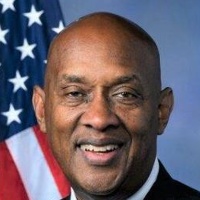
Dwight Evans
Representative
PA-3
This resolution officially recognizes November 2025 as National Family Caregivers Month to honor the vital, unpaid contributions of the 63 million family caregivers across the nation. It acknowledges the significant financial, physical, and emotional burdens these individuals face while supporting loved ones. Furthermore, the bill encourages federal agencies and the private sector to implement strategies and invest in policies that provide essential support, such as paid leave and tax credits, for these caregivers.
Resolution Recognizes 63 Million Unpaid Caregivers, Urges Investment in Tax Credits and Paid Leave
This resolution officially designates November 2025 as "National Family Caregivers Month." It’s not a bill that creates new laws or funds programs right now, but it’s a major statement recognizing the 63 million Americans who provide essential, unpaid care for family members with chronic illnesses, disabilities, or those who are aging.
The $600 Billion Question: Why Recognition Matters
Let’s talk real numbers. The resolution points out that these family caregivers are providing services estimated to be worth a staggering $600 billion annually. That’s not minimum wage work; that’s complex, often round-the-clock care that keeps the U.S. healthcare system from completely collapsing. When we talk about "essential workers," this group—which includes grandparents raising grandkids and young adults caring for parents—is absolutely vital. The resolution notes that the number of caregivers has jumped by 10 million in the last five years, largely because of an aging population and the ongoing struggle to find affordable, accessible paid care.
What They're Asking For: Policy Wish List
While this resolution doesn't cut a check, it serves as a powerful political nudge. The text explicitly encourages Federal agencies, States, and the private sector to get moving on the remaining steps outlined in the 2022 National Strategy to Support Family Caregivers. Think of it as a formal reminder to follow through on existing plans. More importantly, the resolution urges investment in specific, practical policies designed to ease the burden on caregivers. These aren't abstract ideas; they are things that hit the kitchen table budget.
Specifically, the resolution calls for investments in:
- Economic tax credits (money back in the pocket of the person paying for care supplies or modifications).
- Paid family and medical leave (time off work without losing the ability to pay the rent).
- Respite care (a temporary break for the caregiver so they don't burn out).
- Home- and community-based services (support that allows loved ones to stay out of expensive institutions).
From Recognition to Real-World Relief
This resolution is about visibility and validation. For the millions of people juggling a full-time job, raising their own kids, and simultaneously managing the medical needs of an aging parent—often known as the Sandwich Generation—this recognition says, "We see you." The resolution’s ultimate goal is to build momentum for those concrete policies like paid leave and tax credits. While the resolution itself is non-binding, meaning it doesn't force anyone to implement these policies, it sets the stage. It encourages everyone to learn more about caregiving and support their neighbors, framing the issue not just as a family problem, but as a national priority that needs policy solutions.