Legislative Activity
Track Jennifer's sponsored bills, co-sponsored legislation, and voting record
This Act ensures that civilian and military public shipyard workers continue to receive their pay and benefits if the regular budget for fiscal years 2026 or 2027 has not been enacted by Congress.
Maggie Goodlander
Representative
NH
Maggie Goodlander
Representative
NH
The Pay Our Public Shipyard Workers Act ensures that civilian and military shipyard workers continue to receive their salaries and benefits if Congress fails to pass a full budget for fiscal years 2026 or 2027. This measure automatically appropriates necessary funds from the Treasury to cover these essential workers during budget delays. This temporary funding mechanism ceases once a standard appropriation bill is enacted or on January 1, 2027.
This bill extends the authorization for key federal programs supporting the resilience and sustainability of clean water and drinking water infrastructure until 2031.
Salud Carbajal
Representative
CA
Salud Carbajal
Representative
CA
The Water Infrastructure Resilience and Sustainability Act extends the operational deadlines for key federal programs designed to strengthen water infrastructure. Specifically, this bill pushes the expiration dates for the Clean Water Infrastructure Resiliency and Sustainability Program and two Drinking Water System Resilience and Sustainability Programs from 2026 to 2031. This extension ensures continued funding and support for community projects aimed at improving water system toughness against severe weather and environmental challenges.
The Patients Deserve Price Tags Act mandates comprehensive price transparency for hospitals, labs, and ambulatory surgical centers, strengthens cost disclosure for health plans, and requires itemized billing and detailed Explanation of Benefits for patients.
John James
Representative
MI
John James
Representative
MI
The Patients Deserve Price Tags Act aims to significantly increase healthcare price transparency across the board. It mandates that hospitals, clinical diagnostic laboratories, and ambulatory surgical centers must publicly post detailed, consumer-friendly pricing information, including negotiated rates and cash prices. Furthermore, the bill strengthens requirements for health plans to provide real-time cost-sharing estimates and mandates itemized Explanation of Benefits (EOBs) and itemized bills to consumers after receiving care. Finally, it increases fiduciary oversight by requiring group health plans to gain greater access to claims and payment data from their service providers.
This resolution honors the life and legacy of Charles "Charlie" James Kirk, condemns his assassination as political violence, and calls for a renewed commitment to civil discourse and American founding principles.

Mike Johnson
Representative
LA
Mike Johnson
Representative
LA
This resolution honors the life and legacy of Charles "Charlie" James Kirk, founder of Turning Point USA. It strongly condemns his assassination as an act of political violence. The bill calls for a renewed national commitment to civil discourse and the founding principles of the United States.
The America’s CHILDREN Act of 2025 establishes a path to permanent residency for certain long-term college graduates who entered the U.S. as dependents of work visa holders and updates age-out protections for dependent children.
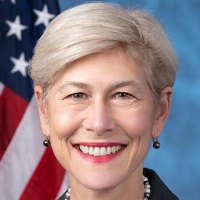
Deborah Ross
Representative
NC
Deborah Ross
Representative
NC
The America’s CHILDREN Act of 2025 establishes a new pathway to permanent residency for certain individuals who entered the U.S. as children, lived here legally for at least eight years as dependents of work visa holders, and subsequently earned a U.S. college degree. The bill also introduces significant "age-out" protections, allowing long-term dependents to retain their original priority dates for visa processing. Furthermore, it clarifies rules for derivative beneficiaries, potentially granting them work authorization in certain dependent statuses.
The Safe Step Act mandates that group health plans using medication step therapy establish clear, timely exception processes for patients and doctors when required drugs are medically inappropriate or ineffective.

Rick Allen
Representative
GA
Rick Allen
Representative
GA
The Safe Step Act establishes mandatory, transparent exception processes for health plans that use "step therapy" protocols for prescription drugs. This ensures patients or their doctors can quickly request coverage for a prescribed medication when specific clinical criteria are met, such as previous treatment failure or risk of harm. Plans must decide on standard requests within 72 hours and urgent requests within 24 hours, and approved exceptions must last for at least one year. Furthermore, insurers must report detailed data annually on exception requests, approvals, and denials to the Secretary of Health and Human Services.
This act eliminates federal income tax on overtime compensation earned by all workers.
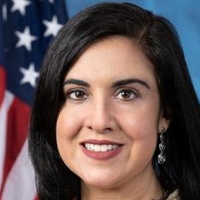
Nicole Malliotakis
Representative
NY
Nicole Malliotakis
Representative
NY
The No Tax on Overtime for All Workers Act amends the tax code to clarify and expand the definition of "qualified overtime compensation." This change ensures that overtime pay earned above a standard rate, whether mandated by the Fair Labor Standards Act or agreed upon beforehand with an employer, is treated favorably for tax purposes. The goal is to incentivize and reward workers for putting in extra hours.
The SHINE for Autumn Act of 2025 establishes federal grants for states to improve stillbirth surveillance, data collection, and risk factor research while mandating the development of standardized educational guidelines on stillbirth.

Young Kim
Representative
CA
Young Kim
Representative
CA
The SHINE for Autumn Act of 2025 aims to significantly improve federal support for state-level stillbirth research and data collection. It authorizes grants for states to enhance surveillance, track risk factors, and build local capacity for analyzing stillbirth data, provided the information remains de-identified. Furthermore, the bill mandates the development of standardized guidelines and educational materials regarding stillbirth awareness and risk factors, developed in consultation with experts and bereaved families.
This bill reauthorizes and extends funding for the Special Diabetes Programs through fiscal year 2030 at \$160 million annually.

Diana DeGette
Representative
CO
Diana DeGette
Representative
CO
The Special Diabetes Program Reauthorization Act of 2025 extends critical funding for the Special Diabetes Programs supporting Type 1 diabetes research and prevention. This bill commits $160 million annually for the program from fiscal years 2026 through 2030. The legislation ensures continued support for these vital diabetes initiatives over the next five years.
This resolution officially recognizes the 250th anniversary of the United States Navy, celebrating its history, global strength, and vital contributions to national security and diplomacy.
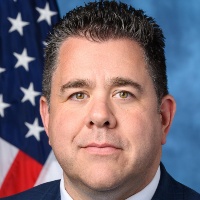
Nicolas LaLota
Representative
NY
Nicolas LaLota
Representative
NY
This resolution officially recognizes the 250th birthday of the United States Navy, celebrating its long history since the Continental Navy was established in 1775. Congress expresses deep gratitude for the bravery and dedication of all past and present Sailors who have defended the nation. The bill reaffirms the Navy's vital role in global security, humanitarian efforts, and maintaining American strength worldwide.
This Act expands the National Health Service Corps to include medical laboratory personnel and establishes a new grant program to support their education and training.
Deborah Ross
Representative
NC
Deborah Ross
Representative
NC
The Medical Laboratory Personnel Shortage Relief Act of 2025 aims to address critical shortages in the medical laboratory workforce. This bill expands eligibility for National Health Service Corps programs to include medical laboratory personnel, offering loan repayment incentives for service in designated shortage areas. Additionally, it establishes a new grant program to support and expand accredited education and training for laboratory professionals.
This bill amends the Social Security Act to provide Medicare coverage for FDA-approved multi-cancer early detection screening tests starting in 2028.
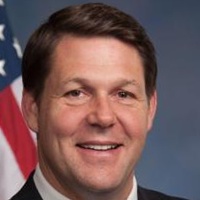
Jodey Arrington
Representative
TX
Jodey Arrington
Representative
TX
The Nancy Gardner Sewell Medicare Multi-Cancer Early Detection Screening Coverage Act amends the Social Security Act to provide Medicare Part B coverage for multi-cancer early detection screening tests starting January 1, 2028. This legislation establishes clear criteria for qualifying tests and outlines payment structures to ensure beneficiaries have access to these advanced diagnostic tools. Importantly, this coverage is designed to complement, rather than replace, existing Medicare-covered cancer screenings.
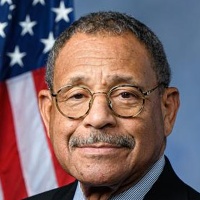
This bill mandates that military departments submit semi-annual reports detailing privatized military housing performance, data usage, and resident satisfaction metrics, which must then be publicly posted online.
Sanford Bishop
Representative
GA
Sanford Bishop
Representative
GA
The Military Housing Performance Insight Act mandates that the military submit detailed reports on privatized housing twice a year instead of annually. These semi-annual reports must now include specific data on how housing information is collected, used for decision-making, and any limitations in resident satisfaction metrics. Furthermore, the Department of Defense is required to publish these comprehensive reports publicly within 30 days of submission.
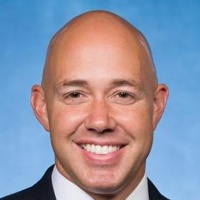
This resolution expresses support for designating the week of September 20 through September 27, 2025, as "National Estuaries Week" to recognize the vital economic and environmental importance of these coastal ecosystems.
Brian Mast
Representative
FL
Brian Mast
Representative
FL
This resolution expresses strong support for designating the week of September 20 through September 27, 2025, as "National Estuaries Week." It highlights the critical economic and environmental value of estuaries, which support millions of jobs and provide vital natural protection for coastal communities. The bill aims to raise public awareness about the need to protect and restore these essential ecosystems.
This Act mandates that new passenger motor vehicles sold in the U.S. must include standard equipment capable of receiving AM broadcast radio signals.

Gus Bilirakis
Representative
FL
Gus Bilirakis
Representative
FL
The AM Radio for Every Vehicle Act of 2025 mandates that the Secretary of Transportation establish a rule requiring AM broadcast radio receivers to be installed as standard equipment in new passenger motor vehicles. This requirement aims to ensure public access to AM radio signals, which are often used for emergency alerts. The bill also directs a GAO study on the effectiveness of AM radio within the national emergency alert system compared to other technologies. Finally, the Act preempts state and local laws on this matter and includes a sunset provision eight years after enactment.
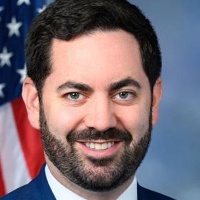
The Stop CMV Act of 2025 establishes a framework for voluntary newborn screening for congenital Cytomegalovirus (CMV), provides federal funding for state implementation and data collection, and expands research efforts.
Michael Lawler
Representative
NY
Michael Lawler
Representative
NY
The Stop CMV Act of 2025 aims to establish a national framework for screening newborns for congenital Cytomegalovirus (CMV). This legislation authorizes federal funding for states to implement testing programs and improve data collection systems related to CMV. Furthermore, the bill mandates the expansion of research efforts through the NIH to improve CMV diagnostics, prevention, and treatment.
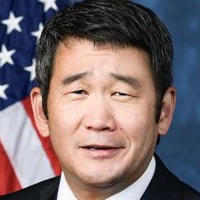
This bill reauthorizes the Digital Coast Act through 2030, mandates free public availability of collected data, and expands required data to include underground infrastructure.
Dave Min
Representative
CA
Dave Min
Representative
CA
The Digital Coast Reauthorization Act of 2025 extends the authorization of the Digital Coast Act through 2030. This legislation mandates that all data provided under the Act must be fully and freely available once accessible. Furthermore, it explicitly expands the required data to include information on underground infrastructure and subsurface utilities.
This bill ensures Medicare coverage for certain breakthrough medical devices during a four-year transitional period while accelerating the final coverage decision process.
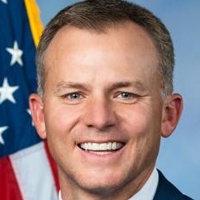
Blake Moore
Representative
UT
Blake Moore
Representative
UT
This Act, the Ensuring Patient Access to Critical Breakthrough Products Act, aims to speed up Medicare coverage for innovative, FDA-approved "breakthrough devices." It establishes a process for manufacturers to gain a four-year transitional coverage period for these devices, ensuring patients have timely access while long-term coverage decisions are finalized. The bill also allocates funding to CMS to manage these expedited reviews and allows for oversight of provider billing practices related to these new technologies.
This Act ensures that essential Department of Homeland Security employees continue to receive pay during a government shutdown until a new budget is enacted or January 1, 2027.
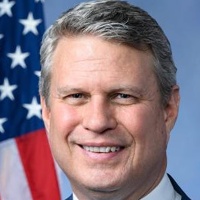
Bill Huizenga
Representative
MI
Bill Huizenga
Representative
MI
The Pay Our Homeland Defenders Act of 2026 ensures that essential Department of Homeland Security (DHS) employees, including law enforcement and critical support staff, continue to receive pay and allowances during a government shutdown. This automatic funding remains active until a new budget is passed or until January 1, 2027. The goal is to maintain critical national security operations even without full appropriations.
The TRAVEL Act of 2025 authorizes the VA to assign existing physicians as traveling doctors to provide essential healthcare services to veterans in U.S. territories and possessions, while also extending certain pension payment limits.
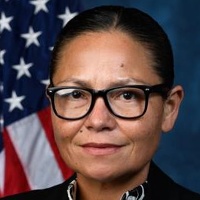
Kimberlyn King-Hinds
Representative
MP
Kimberlyn King-Hinds
Representative
MP
The Territorial Response and Access to Veterans’ Essential Lifecare (TRAVEL) Act of 2025 authorizes the Department of Veterans Affairs to assign existing physicians as traveling doctors to provide essential healthcare services in U.S. territories and possessions for up to one year. These traveling physicians will receive special relocation or retention bonuses in addition to their regular salary. Furthermore, the bill extends the expiration date for certain limits on veterans' pension payments until December 31, 2032.