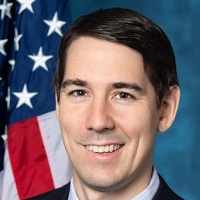
Legislative Activity
Track Josh's sponsored bills, co-sponsored legislation, and voting record
The Wildfire Coordination Act establishes a permanent Wildfire Science and Technology Advisory Board to translate wildfire research into actionable federal operations and share best practices across relevant sectors.
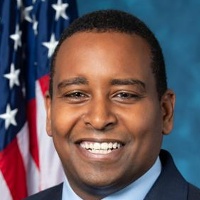
Joe Neguse
Representative
CO
Joe Neguse
Representative
CO
The Wildfire Coordination Act establishes a permanent Wildfire Science and Technology Advisory Board to bridge the gap between wildfire research and practical federal operations. This diverse board, comprising federal leaders and outside experts, will prioritize research, facilitate its implementation, and disseminate best practices. The Act authorizes $10 million to support the Board's mission of improving national wildfire response through applied science.
The Kids on the Go Act of 2025 incentivizes states to hire a Safe Routes to School Coordinator by increasing the federal funding share for related projects to 95 percent.
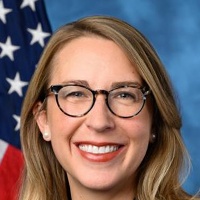
Hillary Scholten
Representative
MI
Hillary Scholten
Representative
MI
The Kids on the Go Act of 2025 mandates that every state must designate a Safe Routes to School Coordinator. States that comply with this requirement will receive an increased federal funding share of 95% for eligible Safe Routes to School projects. This aims to boost state efforts in improving safety for students traveling to and from school.
The Community TEAMS Act of 2025 establishes grants for medical schools to partner with rural and underserved health facilities to expand community-based clinical training for medical students.
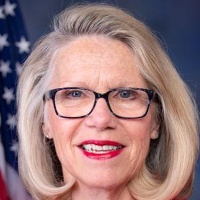
Carol Miller
Representative
WV
Carol Miller
Representative
WV
The Community TEAMS Act of 2025 establishes new federal grants to fund partnerships between medical schools and local health facilities in rural and medically underserved communities. These grants aim to expand clinical training opportunities for medical students in high-need areas. The ultimate goal is to encourage these students to establish long-term medical practices within those communities after graduation.
This Act mandates that most private firearm transfers must go through a licensed dealer to ensure background checks are performed on all purchasers.
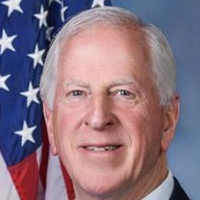
Mike Thompson
Representative
CA
Mike Thompson
Representative
CA
The Bipartisan Background Checks Act of 2025 aims to strengthen existing federal background check systems to prevent prohibited persons from acquiring firearms. This bill primarily mandates that most private firearm transfers must be facilitated through a licensed dealer who will conduct a background check. The legislation includes specific exceptions for family gifts, law enforcement, and temporary transfers under emergency circumstances.
This Act improves Medicare coverage for seniors by ensuring clinical social worker mental health services are billed separately from nursing home payments and expanding the scope of billable services to include health and behavior assessments.
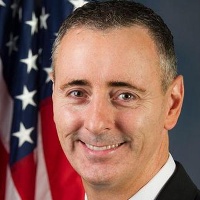
Brian Fitzpatrick
Representative
PA
Brian Fitzpatrick
Representative
PA
The Expanding Seniors Access to Mental Health Services Act aims to improve mental health care access for seniors under Medicare. This bill separates clinical social worker services from standard skilled nursing facility payments, ensuring they are billed distinctly. Furthermore, it expands Medicare coverage for clinical social workers to include health and behavior assessment and intervention services, effective January 1, 2026.
The STOCK Act 2.0 expands financial reporting requirements for government officials, bans certain conflicted investments including cryptocurrencies for high-ranking officials, applies ethics rules to Federal Reserve bank leaders, and mandates electronic, publicly searchable financial disclosure forms across the government.
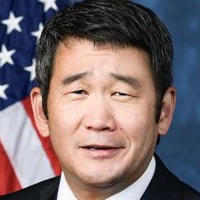
Dave Min
Representative
CA
Dave Min
Representative
CA
The STOCK Act 2.0 significantly enhances ethics and transparency rules for federal officials by requiring timely reporting of government payments received by covered persons and their families. It expands ethics oversight to include Federal Reserve bank leaders and bans high-ranking officials from holding or trading specific assets, including cryptocurrencies. Furthermore, the bill mandates that financial disclosure and transaction reports across Congress, the Executive Branch, and the Judiciary be made publicly available in searchable, accessible online databases.
This bill mandates a Department of Defense study on the feasibility and impact of providing housing for civilian workers at four key naval shipyards.
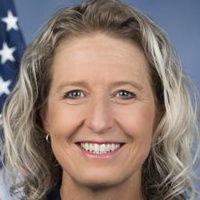
Jennifer Kiggans
Representative
VA
Jennifer Kiggans
Representative
VA
The Defense Shipyard Workforce Housing Act of 2025 mandates a Department of Defense study to assess the feasibility, costs, and benefits of providing housing for civilian workers at four key naval shipyards. This comprehensive review will examine options for building or leasing housing and its potential impact on recruitment and retention. The findings, including recommendations, must be reported to Congress within 18 months of enactment.
This Act mandates comprehensive, no-cost-sharing coverage for prenatal, childbirth, neonatal, perinatal, and postpartum health care under the Affordable Care Act.
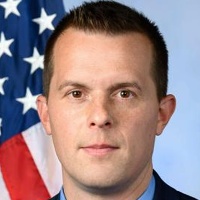
Jared Golden
Representative
ME
Jared Golden
Representative
ME
The Supporting Healthy Moms and Babies Act mandates that essential health benefits under the ACA must comprehensively cover prenatal, childbirth, neonatal, perinatal, and postpartum care for one full year. This legislation explicitly bans all cost-sharing, including copays and deductibles, for these essential maternity and newborn health services. The bill ensures robust coverage, including specific requirements like mandatory ultrasounds and mental health services for new parents.
The PEAKS Act updates Medicare payment rules for ambulance services provided by Critical Access Hospitals and protects the CAH status of certain hospitals meeting specific distance requirements.
Carol Miller
Representative
WV
Carol Miller
Representative
WV
The PEAKS Act updates Medicare payment rules for ambulance services provided by Critical Access Hospitals (CAHs), specifically expanding the distance considered in payment calculations beyond 35 miles. Additionally, the bill provides a special provision allowing certain existing CAHs to automatically meet the 15-mile distance requirement for mountainous terrain or secondary roads, ensuring they retain their designation status. This legislation aims to support emergency access in key, often remote, locations.
This bill increases the monthly housing stipend for veterans pursuing education solely through distance learning under the Post-9/11 Educational Assistance Program.
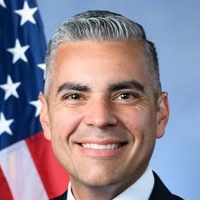
Juan Ciscomani
Representative
AZ
Juan Ciscomani
Representative
AZ
The Expanding Access for Online Veteran Students Act aims to increase financial support for veterans pursuing education entirely online. This bill eliminates the current 50% cap on the monthly housing stipend for eligible Post-9/11 GI Bill recipients enrolled more than half-time in distance learning programs. If enacted, this change would allow these students to receive the full monthly housing allowance rate, effective for terms beginning on or after August 1, 2025.
This act repeals certain provisions of the Protection of Lawful Commerce in Arms Act and allows federal gun trace information to be discoverable and admissible in civil proceedings.
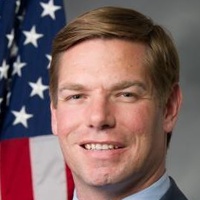
Eric Swalwell
Representative
CA
Eric Swalwell
Representative
CA
The Equal Access to Justice for Victims of Gun Violence Act of 2025 repeals key provisions of the Protection of Lawful Commerce in Arms Act. This legislation allows federal gun trace information to be discoverable and admissible as evidence in civil lawsuits and administrative hearings. The bill aims to provide victims of gun violence with greater access to relevant data in legal proceedings.
This Act mandates coordination between the NSF and USDA to conduct joint research and development focused on agriculture, food security, rural revitalization, and related STEM education and infrastructure.
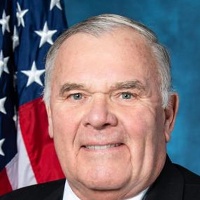
James Baird
Representative
IN
James Baird
Representative
IN
The NSF and USDA Interagency Research Act mandates that the National Science Foundation and the Department of Agriculture coordinate and conduct joint research and development activities. This collaboration will focus on critical areas such as agricultural biology, food security, rural revitalization, and the application of advanced technologies like AI and robotics in farming. The Act also supports related infrastructure, workforce development, and educational initiatives, requiring a report to Congress detailing coordination efforts within two years.
This resolution urgently calls for the immediate delivery of humanitarian aid to address the severe hunger crisis in Gaza and demands the administration use all diplomatic means to secure hostage release and end the fighting.
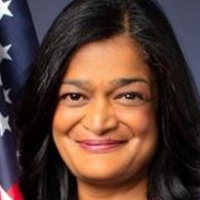
Pramila Jayapal
Representative
WA
Pramila Jayapal
Representative
WA
This resolution formally expresses the House of Representatives' grave concern over the severe humanitarian crisis and widespread suffering of civilians in Gaza, alongside the plight of hostages. It urgently calls on the Administration to use all diplomatic tools to secure the release of all hostages. Furthermore, the bill demands the immediate delivery and secure distribution of essential humanitarian aid to address the catastrophic hunger crisis in Gaza.
This act mandates that FHA loan disclosures include comparable VA loan information and requires lenders to ask about military service on standard loan applications.
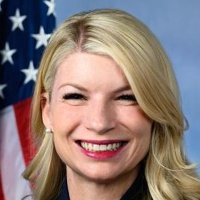
Brittany Pettersen
Representative
CO
Brittany Pettersen
Representative
CO
The VA Loan Informed Disclosure Act of 2025 (VALID Act) aims to increase awareness of VA loan options among homebuyers. It requires lenders to include comparative information about potential VA loan terms on standard FHA disclosure forms. Furthermore, the Act mandates that the Uniform Residential Loan Application include a prominent question regarding the applicant's military service.
The Fair and Equal Housing Act of 2025 updates the Fair Housing Act to explicitly prohibit discrimination based on sexual orientation and gender identity, and expands protections against discrimination based on association or perceived identity.
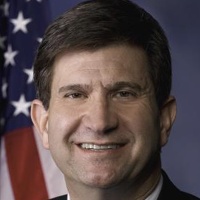
Bradley Schneider
Representative
IL
Bradley Schneider
Representative
IL
The Fair and Equal Housing Act of 2025 significantly updates existing fair housing laws to explicitly prohibit discrimination based on sexual orientation and gender identity. This legislation broadens protections to cover discrimination based on association or perceived association with protected groups. Furthermore, it strengthens anti-intimidation measures related to these newly defined protected characteristics in housing matters.
This Act modernizes FEMA's approach to extreme weather by establishing a panel to review disaster incident periods, expanding funding eligibility for heat and cold response projects, and mandating new guidance and a comprehensive study on the impacts of extreme temperatures.
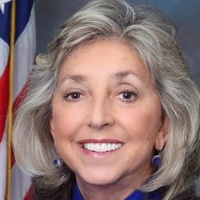
Dina Titus
Representative
NV
Dina Titus
Representative
NV
The Extreme Weather and Heat Response Modernization Act aims to update FEMA's approach to handling disasters, particularly those involving extreme heat and cold. It establishes a panel to review and modernize the definition of disaster "incident periods" to better account for slow-onset and complex weather events. Furthermore, the bill expands funding eligibility for mitigation projects focused on extreme heat and mandates comprehensive studies and new guidance to integrate extreme temperature preparedness across all FEMA operations.
This Act mandates that colleges and universities must print or post essential suicide prevention contact information, including the 988 Lifeline, on student IDs or websites.
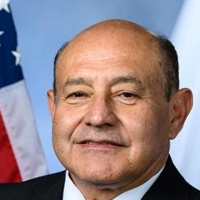
J. Correa
Representative
CA
J. Correa
Representative
CA
The Improving Mental Health Access for Students Act mandates that colleges and universities must prominently display essential mental health and suicide prevention contact information on student ID cards or official websites. This includes the 988 Suicide and Crisis Lifeline, the Crisis Text Line, and the campus mental health center. These requirements take effect one year after the Act is signed into law.
The VET PFAS Act expands VA healthcare and disability benefits for veterans and their families exposed to toxic PFAS chemicals at military installations by establishing presumptions of service connection for related illnesses.
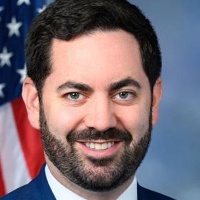
Michael Lawler
Representative
NY
Michael Lawler
Representative
NY
The VET PFAS Act expands healthcare and disability benefits for veterans and their families exposed to toxic PFAS chemicals, like PFOA, at contaminated military installations. It establishes a presumption of service connection for specific related illnesses, making it easier for veterans to receive disability compensation. Furthermore, the bill grants eligible family members access to VA medical care, contingent upon future appropriations. The VA is also required to report annually on the implementation and utilization of these new provisions for three years.
This resolution expresses support for establishing "National Extreme Heat Awareness Week" from July 3–10, 2025, to educate the public on the dangers and risks associated with extreme heat.
Michael Lawler
Representative
NY
Michael Lawler
Representative
NY
This resolution expresses strong support for designating July 3 through July 10, 2025, as "National Extreme Heat Awareness Week." The goal is to raise public awareness about the significant dangers and widespread risks extreme heat poses to public safety, infrastructure, and the economy. By establishing this week, Congress encourages nationwide education and preparedness efforts to mitigate heat-related illnesses and fatalities.
This resolution recognizes the vital economic and educational contributions of California's public higher education systems—UC, CSU, and CCC—and reaffirms commitment to their support.
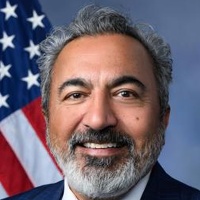
Ami Bera
Representative
CA
Ami Bera
Representative
CA
This resolution formally recognizes the critical importance of California's three public higher education systems—UC, CSU, and CCC—to the state's economy and workforce development. It highlights the massive scale of these institutions and their vital role in providing access and economic mobility for millions of students. Ultimately, the measure reaffirms the United States' commitment to supporting these essential public educational pillars.