Legislative Activity
Track Bill's sponsored bills, co-sponsored legislation, and voting record
This resolution recognizes the vital contributions of linemen, often acting as first responders, and supports designating April 18, 2025, as "National Lineman Appreciation Day."
David Rouzer
Representative
NC
David Rouzer
Representative
NC
This resolution officially recognizes the vital and dangerous work performed by power linemen who maintain our electrical infrastructure and ensure public safety. It highlights their crucial role as first responders, often working in hazardous conditions after disasters. Furthermore, the resolution supports the designation of April 18, 2025, as "National Lineman Appreciation Day" to formally honor their service.
The Safeguard American Voter Eligibility (SAVE) Act mandates that individuals registering to vote in federal elections must present documentary proof of U.S. citizenship.

Chip Roy
Representative
TX
Chip Roy
Representative
TX
The Safeguard American Voter Eligibility Act (SAVE Act) significantly amends federal law to require individuals registering to vote in federal elections to present documentary proof of U.S. citizenship. This legislation mandates that states actively clean their voter rolls and cooperate with federal agencies to verify citizenship status. It establishes new criminal penalties for officials who fail to enforce these documentation requirements.
The Affordable Housing Credit Improvement Act of 2025 updates state allocation formulas, reforms tenant eligibility and credit determination rules, and enhances assistance for Native American and rural housing projects.
Darin LaHood
Representative
IL
Darin LaHood
Representative
IL
The Affordable Housing Credit Improvement Act of 2025 updates federal housing tax credit allocations to reflect current economic realities and boosts minimum state allotments. It reforms tenant eligibility rules to stabilize tenancy and enhance protections for vulnerable residents, including victims of abuse. The bill also provides disaster relief for property owners, increases incentives for housing the extremely low-income, and directs greater resources toward Native American and rural housing needs. Finally, it streamlines administrative processes and signals a future focus on data transparency and discouraging restrictive local zoning.
This Act mandates the high-resolution surveying and mapping of the Great Lakes lakebeds by NOAA, with data to be made publicly available by the end of 2030.

Lisa McClain
Representative
MI
Lisa McClain
Representative
MI
The Great Lakes Mapping Act of 2025 mandates a high-resolution survey and mapping of the Great Lakes lakebeds, to be completed by December 31, 2030. Led by NOAA, this effort requires collaboration with state and regional partners to collect and catalog detailed bathymetric data. The resulting high-resolution map and associated data must be made publicly available as it is completed and fully released within 180 days of project completion.
This Act establishes a specific P visa category for temporary workers employed by traveling carnivals, circuses, and associated concession providers, while subjecting them to existing H-2B temporary worker regulations.
Zoe Lofgren
Representative
CA
Zoe Lofgren
Representative
CA
The Carnivals are Real Entertainment Act establishes a specific P visa pathway for temporary workers employed by traveling carnivals, circuses, and associated concession providers. This new classification ensures essential mobile entertainment staff can enter the U.S. while adhering to existing H-2B temporary worker program regulations. The law mandates that the Secretaries of Homeland Security and Labor develop and finalize the necessary rules within one year of enactment.
This bill repeals the requirement for financial institutions to collect and report specific data on small business loans to reduce compliance costs and improve small business access to credit.
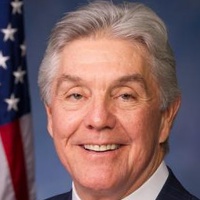
Roger Williams
Representative
TX
Roger Williams
Representative
TX
The 1071 Repeal to Protect Small Business Lending Act aims to eliminate the mandatory data collection and reporting requirements for small business loans previously established under Section 704B of the Equal Credit Opportunity Act. Proponents argue that these regulations impose unnecessary compliance costs on lenders, potentially hindering small business access to credit. This bill repeals those specific reporting mandates to reduce regulatory burdens on financial institutions.
This Act promotes new bank formation by phasing in capital standards, adjusting business plan review timelines, offering temporary leverage ratio relief for rural institutions, expanding agricultural lending authority, and mandating a study on barriers to new bank creation.
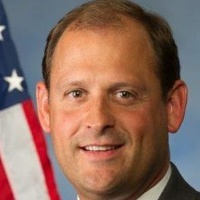
Garland Barr
Representative
KY
Garland Barr
Representative
KY
The Promoting New Bank Formation Act aims to encourage the creation of new banks by providing regulatory relief for newly insured institutions. This includes a three-year phase-in period for new capital standards and streamlined processes for adjusting initial business plans. The Act also establishes temporary, favorable capital requirements for new rural depository institutions and expands lending authority for Federal savings associations to include agricultural loans. Finally, it mandates a study on barriers to new bank formation, especially in underserved areas.
The STABLE Act of 2025 establishes a comprehensive federal framework to regulate payment stablecoin issuers through strict reserve, transparency, and operational requirements while clarifying that these stablecoins are not securities.
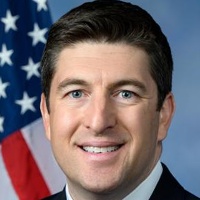
Bryan Steil
Representative
WI
Bryan Steil
Representative
WI
The STABLE Act of 2025 establishes a comprehensive federal framework for regulating payment stablecoins, requiring issuers to maintain 1:1 reserves in safe assets and adhere to strict transparency and anti-money laundering standards. The bill strictly limits issuance to approved entities, whether federally or state-qualified, and clarifies that these dollar-backed digital assets are not considered securities. Furthermore, it mandates robust consumer protection rules, ensuring customer assets are segregated and prioritized in bankruptcy proceedings.
The Secure Family Futures Act of 2025 modifies tax code provisions for applicable insurance companies by excluding certain debt from being treated as a capital asset and extending the capital loss carryover period to ten years for specific losses incurred after 2025.
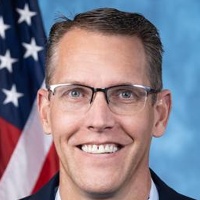
Randy Feenstra
Representative
IA
Randy Feenstra
Representative
IA
The Secure Family Futures Act of 2025 modifies tax treatment for certain debt holdings of applicable insurance companies, excluding specific debt instruments from being treated as capital assets for tax purposes. Additionally, this Act extends the capital loss carryover period to 10 years for specified losses incurred by these insurance companies. These changes apply only to transactions occurring after December 31, 2025.
This bill drastically tightens and expands U.S. sanctions against Iran across its leadership, military, and economy while severely restricting the President's authority to lift these restrictions.
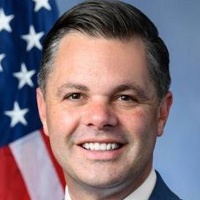
Zachary (Zach) Nunn
Representative
IA
Zachary (Zach) Nunn
Representative
IA
The Maximum Pressure Act dramatically tightens and expands U.S. sanctions against Iran across its military, missile, and economic sectors, codifying existing restrictions and severely limiting the President's authority to grant sanctions relief. It mandates immediate sanctions on top Iranian officials and increases penalties for international parties aiding Iran's weapons programs. Furthermore, the bill enhances oversight by requiring numerous detailed reports to Congress regarding Iran's terrorism financing, nuclear timeline, and economic influence, while also redirecting certain frozen Iranian funds to victims of state-sponsored terrorism.
This bill establishes a dedicated Inspector General for the Bureau of Consumer Financial Protection, outlines their appointment, funding, and reporting requirements, and clarifies their oversight structure.
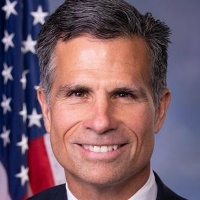
Daniel Meuser
Representative
PA
Daniel Meuser
Representative
PA
This bill establishes a dedicated, independent Inspector General (IG) position specifically for the Bureau of Consumer Financial Protection (BCFP). It changes the appointment process, mandates regular testimony before Congress, and ensures dedicated funding for the new IG office. The law takes effect upon the Senate confirmation of the first BCFP Inspector General, at which point the current joint IG role will revert solely to overseeing the Federal Reserve Board.
This resolution formally recognizes the 250th anniversary of the United States Marine Corps, honoring its legacy, service, and core values.
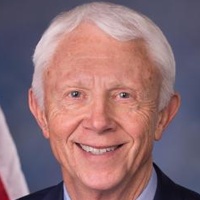
Jack Bergman
Representative
MI
Jack Bergman
Representative
MI
This resolution formally recognizes the upcoming 250th anniversary of the United States Marine Corps in 2025. Congress is honoring the Corps' long history, core values of honor, courage, and commitment, and its consistent readiness to defend the nation. The bill encourages the public to join in celebrating this significant milestone and acknowledging the service and sacrifice of all Marines.
This bill mandates that financial professionals prioritize pecuniary factors in determining a client's best interest, requires SEC studies on environmental disclosures in municipal bonds, and investigates the effectiveness of anti-bribery rules in municipal securities solicitation.
Garland Barr
Representative
KY
Garland Barr
Representative
KY
The Ensuring Sound Guidance Act of 2025 focuses on strengthening fiduciary duties by prioritizing pecuniary (financial) factors in investment advice unless clients explicitly agree otherwise. It also mandates the SEC to study environmental disclosure practices within the municipal bond market and investigate the effectiveness of current rules preventing corruption in the solicitation of municipal securities business. The bill requires the SEC to report its findings and recommend necessary regulatory or legislative actions within one year of enactment.
This bill establishes national reciprocity for concealed carry permits, allowing individuals legally permitted to carry in their home state to carry a handgun in any other state that allows concealed carry.
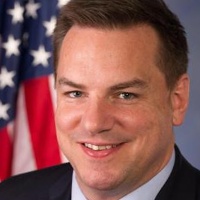
Richard Hudson
Representative
NC
Richard Hudson
Representative
NC
The Constitutional Concealed Carry Reciprocity Act of 2025 establishes a national standard for carrying concealed handguns across state lines. This act allows individuals legally permitted to carry in their home state to carry concealed in any other state that allows its residents to carry concealed firearms. The law does not override private property restrictions or prohibitions on government property, but it provides protections and legal recourse for those traveling in compliance with the new federal standard.
Supports the designation of March 18, 2025, as "National Agriculture Day" and recognizes the importance of agriculture in the United States.
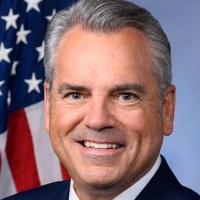
Mark Alford
Representative
MO
Mark Alford
Representative
MO
This resolution expresses support for designating March 18, 2025, as "National Agriculture Day." It recognizes and celebrates the significant impact of agriculture as a leading industry in the United States.
The Major Richard Star Act ensures that military retirees with combat-related disabilities can concurrently receive their full military retirement pay and VA disability compensation without reduction.

Gus Bilirakis
Representative
FL
Gus Bilirakis
Representative
FL
The Major Richard Star Act ensures that military retirees with combat-related disabilities can receive both their military retirement pay and VA disability compensation concurrently without reduction. This law removes previous restrictions that caused military retirement pay to be offset by VA disability payments for these specific cases. The changes take effect on the first day of the month following the Act's enactment.
This act establishes a mandatory, science-based testing and certification program for commercial honey packers to prevent economically motivated adulteration and sets an official standard of identity for honey.
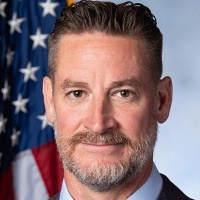
W. Steube
Representative
FL
W. Steube
Representative
FL
The Honey Integrity Act establishes a clear standard of identity for honey based on existing quality benchmarks. It mandates that commercial honey packers implement rigorous, scientifically advanced testing protocols to detect fraud and adulteration. Furthermore, the bill requires the Secretary to report on enforcement actions against mislabeled honey and establishes a new program funded by packer fees to ensure honey sold in the U.S. is authentic.
Commemorates the 108th anniversary of Selfridge Air National Guard Base, recognizing its historical importance, economic impact, and vital role in national security.
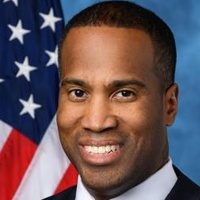
John James
Representative
MI
John James
Representative
MI
This bill honors Selfridge Air National Guard Base on its 108th anniversary, recognizing its historical significance, economic impact, and strategic importance to national security. It acknowledges the base's contributions to military operations, its role in homeland defense, and its selection for the KC-46A Pegasus tanker aircraft beddown. The bill also commends the personnel of Selfridge Air National Guard Base and encourages continued support and investment in the base.
This Act ensures that veterans living in rural areas have dedicated access to patient advocates at VA medical facilities.

John Moolenaar
Representative
MI
John Moolenaar
Representative
MI
The Veterans Patient Advocacy Act ensures that veterans living in rural areas have reliable access to patient advocates at VA medical facilities. This requires the VA to assign advocates specifically to community-based outpatient clinics in rural locations. The Secretary of Veterans Affairs must implement these changes within two years, followed by a GAO review of the implementation progress.
This Act eliminates the waiting periods for Social Security disability benefits and Medicare coverage for individuals diagnosed with metastatic breast cancer.
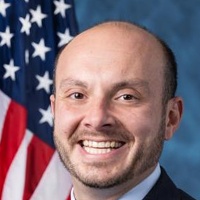
Andrew Garbarino
Representative
NY
Andrew Garbarino
Representative
NY
The Metastatic Breast Cancer Access to Care Act aims to improve support for individuals diagnosed with metastatic breast cancer. This bill eliminates the standard waiting period for receiving Social Security disability insurance benefits and waives the 24-month waiting period for Medicare coverage. These changes ensure immediate access to crucial financial and healthcare support upon diagnosis.