Legislative Activity
Track Bill's sponsored bills, co-sponsored legislation, and voting record
This bill extends the same diplomatic privileges and immunities enjoyed by other international missions to the African Union Mission and its New York Observer Mission.
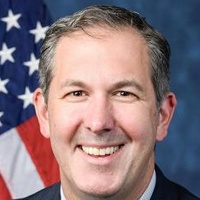
Johnny Olszewski
Representative
MD
Johnny Olszewski
Representative
MD
The African Union Diplomatic Parity Act formally extends the same privileges and immunities enjoyed by other international missions to the African Union Mission. This legislation specifically updates existing law to ensure the African Union Mission receives parity in legal protections. Furthermore, it grants the African Union's Observer Mission in New York the same status and immunities as permanent missions of UN member states.
This bill allows associations of employers to sponsor group health plans, treating them as a single employer under ERISA, with specific requirements for plan structure and premium rating.
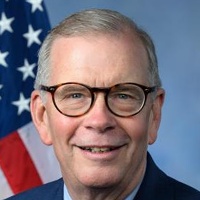
Tim Walberg
Representative
MI
Tim Walberg
Representative
MI
The Association Health Plans Act amends federal law to allow certain groups or associations of employers to sponsor a single group health plan, treating them as a single employer for coverage purposes. This aims to expand access to health coverage by enabling broader risk pooling across different industries. The bill establishes specific criteria these associations must meet to qualify, including minimum size and operational standards. Finally, it outlines rules for setting premium rates and prohibits discrimination based on health status for plans established under this Act.
This bill amends the Federal Employees Compensation Act to authorize physician assistants and nurse practitioners as recognized healthcare providers for federal workers' injury claims.
Tim Walberg
Representative
MI
Tim Walberg
Representative
MI
This Act amends the Federal Employees Compensation Act to expand the list of authorized healthcare providers for federal employees' work-related injury claims. Specifically, it includes physician assistants and nurse practitioners as eligible providers under the law. This change aims to improve access to care for injured federal workers by broadening their choice of medical professionals.
The LEDGER Act mandates the establishment of a comprehensive, government-wide system to track and record the exact destination and availability period of every federal expenditure.
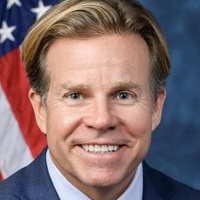
Mike Haridopolos
Representative
FL
Mike Haridopolos
Representative
FL
The LEDGER Act mandates the creation of a comprehensive, centralized system managed by the Secretary of the Treasury to track every expenditure made by all branches of the U.S. Government. This new system must detail exactly where federal funds are spent and how long those funds were available for obligation. The goal is to significantly enhance the traceability and transparency of government spending.
This Act allows certain investment companies to exclude the fees and expenses of underlying business development companies when reporting total acquired fund costs on their SEC registration statements.
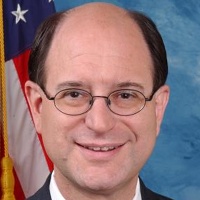
Brad Sherman
Representative
CA
Brad Sherman
Representative
CA
The Access to Small Business Investor Capital Act amends SEC reporting requirements for certain investment companies. This change allows these companies to exclude the indirect fees and expenses incurred from investing in an Acquired Fund, provided that Acquired Fund is a business development company. This simplifies the calculation of total "Acquired Fund Fees and Expenses" disclosed on registration statements.
This bill establishes a pilot program to provide grants for training family caregivers of young children with autism or developmental disabilities in essential skills to improve child well-being and community involvement.
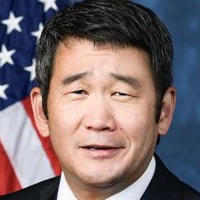
Dave Min
Representative
CA
Dave Min
Representative
CA
The Autism Family Caregivers Act of 2025 establishes a new pilot program to award grants for evidence-based skills training to family caregivers of children with autism or developmental disabilities. This training aims to improve child well-being and community engagement by focusing on communication, daily living skills, and caregiver self-care. The Secretary of Health and Human Services will oversee the program, which requires grantees to establish diverse advisory committees and report annually on program effectiveness. Funding is authorized through fiscal year 2030 to support at least 25 entities across multiple states.
This joint resolution disapproves the EPA's rule allowing California to implement its Advanced Clean Cars II vehicle pollution control standards.
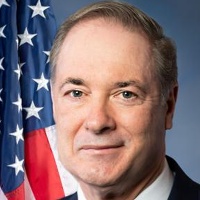
John Joyce
Representative
PA
John Joyce
Representative
PA
This joint resolution expresses Congressional disapproval of the Environmental Protection Agency's (EPA) rule regarding California's "Advanced Clean Cars II" vehicle pollution standards. By rejecting this rule, Congress is effectively canceling the EPA's decision to grant California a waiver allowing it to set stricter emission standards than federal law typically permits. Consequently, the approved California standards will not take effect.
This bill prohibits males from participating in athletic programs or activities designated for women or girls at the U.S. military service academies.
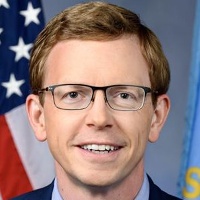
Dusty Johnson
Representative
SD
Dusty Johnson
Representative
SD
This bill prohibits males from participating in any athletic program or activity at the U.S. military service academies that is designated for women or girls. It mandates that sex in this context is defined by reproductive biology and genetics at birth. While males may practice with women's teams, they cannot displace female athletes from rosters, competition opportunities, or scholarships.
This resolution expresses support for designating the first Tuesday in June as "National Cancer Survivor Beauty and Support Day" to honor cancer survivors and promote community support for their ongoing challenges.
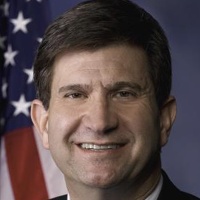
Bradley Schneider
Representative
IL
Bradley Schneider
Representative
IL
This resolution expresses support for designating the first Tuesday in June as "National Cancer Survivor Beauty and Support Day." The day aims to recognize the challenges faced by cancer survivors and highlight the value of community support. It specifically honors a pre-existing, volunteer-run event where beauty and spa professionals offer free services to survivors nationwide.
This resolution strongly condemns the rise of antisemitism in the United States and honors the memory of Yaron Lischinsky and Sarah Milgrim, who were murdered while promoting peace.
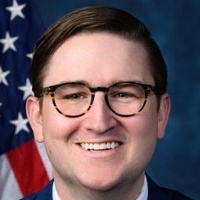
Addison McDowell
Representative
NC
Addison McDowell
Representative
NC
This resolution strongly condemns the rise of antisemitism in the United States and around the world. It specifically honors the memory of Yaron Lischinsky and Sarah Milgrim, who were tragically murdered while promoting peace. Ultimately, Congress reaffirms its commitment to combating all forms of hate and ensuring the vigorous enforcement of laws protecting religious freedom.
This bill establishes a regulatory safe harbor protecting non-controlling blockchain developers and service providers from being treated as financial service providers unless they control users' digital assets.
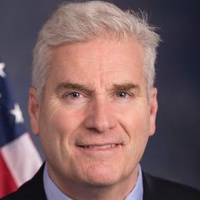
Tom Emmer
Representative
MN
Tom Emmer
Representative
MN
The Blockchain Regulatory Certainty Act establishes a "safe harbor" to protect non-controlling blockchain developers and service providers from being regulated as financial institutions. This protection applies as long as they do not regularly control users' digital assets on the network. Essentially, the bill shields those who build or provide access to blockchain software unless they have the unilateral power to move user funds.
The FAIR Exams Act establishes strict deadlines for regulatory examinations and responses, creates an independent review board for supervisory disputes, and grants financial institutions the right to an independent, *de novo* review of material supervisory determinations.
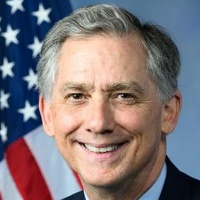
J. Hill
Representative
AR
J. Hill
Representative
AR
The Fair Audits and Inspections for Regulators’ Exams (FAIR Exams) Act establishes strict deadlines for federal regulators to complete financial examinations and issue reports. It also creates a new, independent Board to review complaints about examination practices and allows financial institutions to appeal "material supervisory determinations" *de novo*. Furthermore, the bill mandates faster regulatory responses to requests for permission or guidance and strengthens anti-retaliation protections for institutions using appeal rights.
This bill mandates the State Department to deliver a comprehensive strategy for deepening U.S. cooperation with Australia, India, and Japan, and formally establishes a Quad Inter-Parliamentary Working Group.
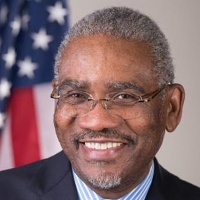
Gregory Meeks
Representative
NY
Gregory Meeks
Representative
NY
The Strengthening the Quad Act formalizes U.S. commitment to deepening cooperation with Australia, India, and Japan to promote a free and open Indo-Pacific. It mandates the Secretary of State to deliver a comprehensive strategy detailing current and future Quad efforts across security, economic, and health sectors within 180 days. Furthermore, the bill establishes a new Quad Inter-Parliamentary Working Group to enhance legislative engagement between the four nations.
This Act restricts federal subpoena power over insurance data, enhances confidentiality protections for data shared by the Federal Insurance Office, and limits the Office of Financial Research's ability to subpoena insurance companies while imposing new requirements on financial regulators when collecting data from them.
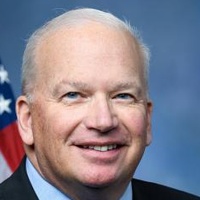
Scott Fitzgerald
Representative
WI
Scott Fitzgerald
Representative
WI
The Insurance Data Protection Act aims to adjust federal regulatory authority over insurance data by limiting the subpoena power of the Office of Financial Research against insurance companies. It also strengthens confidentiality protections for data shared with and held by the Federal Insurance Office and other financial regulators. Furthermore, the bill mandates that financial regulators must seek existing data from other sources before directly collecting information from insurance companies, ensuring data privacy is maintained.
This act requires states to maintain a baseline level of state funding for School Resource Officers to receive their full share of federal education funds.
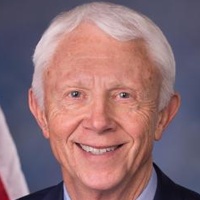
Jack Bergman
Representative
MI
Jack Bergman
Representative
MI
The School Resource Officer Funding Protection Act of 2025 requires states to maintain a baseline level of state funding for School Resource Officers (SROs) to receive their full share of federal education funds. States must annually report their SRO spending to certify compliance with this maintenance rule. Failure to maintain the required spending level will result in a proportional reduction of the state's federal funding in the following fiscal year, though waivers are available for documented extraordinary financial hardship.
This bill temporarily allows taxpayers to deduct interest paid on certain loans for US-made passenger vehicles, subject to dollar and income limitations, and introduces new reporting requirements for lenders.
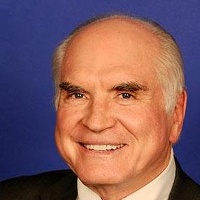
Mike Kelly
Representative
PA
Mike Kelly
Representative
PA
This bill temporarily amends the Internal Revenue Code to allow taxpayers to deduct interest paid on qualified loans taken out to purchase certain passenger vehicles made in the United States. This deduction is available for a limited time, subject to an annual cap of \$10,000 and income phase-outs. The legislation also imposes new information reporting requirements on lenders receiving \$600 or more in interest on these specific vehicle loans.
This resolution formally expresses Congress's support, gratitude, and recognition for the dedication and sacrifices of local law enforcement officers.
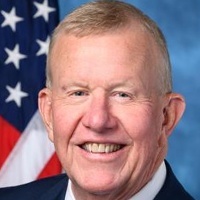
Mike Ezell
Representative
MS
Mike Ezell
Representative
MS
This Concurrent Resolution formally expresses the appreciation of Congress for the dedication and service of local law enforcement officers across the nation. It recognizes the sacrifices made by officers and their families in keeping communities safe. The resolution also encourages strong partnerships between police departments and the communities they serve.
This resolution expresses Congressional support for law enforcement professionals by recognizing the increasing dangers and mental health tolls they face while urging increased staffing, better resources, and tougher penalties for those who assault officers.
Mike Ezell
Representative
MS
Mike Ezell
Representative
MS
This resolution expresses strong Congressional support for America's law enforcement professionals, recognizing the increasing dangers and mental health tolls they face daily. It highlights significant challenges, including rising officer assaults and critical staffing shortages across the nation. The bill urges all levels of government to increase support through better funding, training, equipment, and mental health resources. Ultimately, it calls for enhanced penalties for those who harm officers and reaffirms appreciation for their service.
The CHOICE for Veterans Act of 2025 establishes new federal standards, oversight, and penalties for agents and attorneys who assist veterans in filing Department of Veterans Affairs benefit claims while extending certain pension payment limitations.
Jack Bergman
Representative
MI
Jack Bergman
Representative
MI
The CHOICE for Veterans Act of 2025 aims to overhaul how veterans receive assistance with their Department of Veterans Affairs (VA) benefit claims. It establishes new rules for the recognition, fees, and conduct of agents and attorneys who represent veterans. The bill also mandates increased transparency regarding available assistance and requires a review of the entire representative recognition process.
The Shipbuilding and Harbor Infrastructure for Prosperity and Security for America Act of 2025 establishes a centralized maritime authority, creates a dedicated funding trust, strengthens sealift capability, mandates increased use of U.S.-flagged vessels, invests heavily in domestic shipbuilding, and enhances workforce development and tax incentives for the maritime industry.
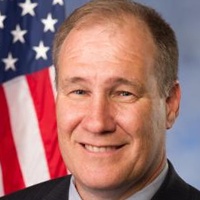
Trent Kelly
Representative
MS
Trent Kelly
Representative
MS
The **Shipbuilding and Harbor Infrastructure for Prosperity and Security for America Act of 2025** is a comprehensive bill designed to revitalize the U.S. maritime industry and secure critical supply chains. It establishes new centralized oversight for maritime policy, creates a dedicated Maritime Security Trust Fund financed by new vessel taxes, and mandates significant federal investment in domestic shipbuilding and workforce development. The legislation also imposes stricter cargo preference rules and tax incentives to ensure U.S.-flagged vessels dominate international commerce and defense sealift operations.