Legislative Activity
Track Bill's sponsored bills, co-sponsored legislation, and voting record
The Consumer Financial Protection Accountability and Reform Act of 2026 seeks to increase the CFPB’s transparency and accountability by restructuring its funding, refining its enforcement and rulemaking standards, and establishing clearer regulatory oversight for financial institutions and consumer products.
Garland Barr
Representative
KY
Garland Barr
Representative
KY
The Consumer Financial Protection Accountability and Reform Act of 2026 seeks to restructure the Consumer Financial Protection Bureau (CFPB) by bringing it under congressional appropriations and establishing more rigorous oversight and transparency requirements. The bill introduces stricter standards for enforcement actions, clarifies definitions of abusive practices, and provides new regulatory frameworks for emerging financial products like earned wage access. Additionally, it adjusts supervisory thresholds and limits the Bureau’s ability to use market-monitoring data for enforcement, aiming to increase procedural fairness for both financial institutions and consumers.
This resolution commemorates the 13 U.S. servicemembers killed at Abbey Gate and condemns the Biden administration’s handling of the 2021 withdrawal from Afghanistan.
Matt Van Epps
Representative
TN
Matt Van Epps
Representative
TN
This resolution commemorates the 13 U.S. servicemembers killed during the 2021 Abbey Gate bombing in Afghanistan. It formally condemns the Biden-Harris administration for its handling of the withdrawal, citing failures in planning, security, and accountability. The measure denounces the administration's decisions as a dereliction of duty that compromised national security and abandoned American allies.
This bill restricts stock trading by Members of Congress and their families while establishing new federal requirements for voters to provide photo identification in federal elections.
Bryan Steil
Representative
WI
Bryan Steil
Representative
WI
The Stop Insider Trading Act restricts Members of Congress, their spouses, and dependent children from purchasing or selling individual stocks to prevent conflicts of interest. Additionally, the bill mandates that voters provide valid photo identification when voting in person or by mail in federal elections.
The Main Street Act aims to foster economic growth by reducing regulatory burdens on community banks, streamlining the application and merger processes, and enhancing transparency in financial supervision.
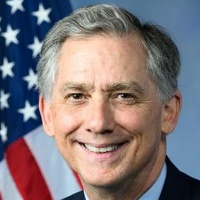
J. Hill
Representative
AR
J. Hill
Representative
AR
The Main Street Act is comprehensive legislation designed to foster a more competitive and accessible banking environment by reducing regulatory burdens on community banks and credit unions. The bill streamlines application processes, modernizes supervision standards, and enhances transparency across federal financial agencies to encourage local lending and economic growth. Additionally, it promotes innovation and financial stability by facilitating bank-fintech partnerships and improving the tools available for managing liquidity and bank resolutions.
This bill officially renames the United States Postal Service facility at 324 Washington Avenue, Suite 1 in Grand Haven, Michigan, as the "Ell Thomas Simantz Post Office Building."
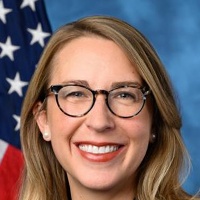
Hillary Scholten
Representative
MI
Hillary Scholten
Representative
MI
This bill officially renames the United States Postal Service facility located at 324 Washington Avenue, Suite 1 in Grand Haven, Michigan. The facility will now be known as the "Ell Thomas Simantz Post Office Building." This designation updates all official records and references to reflect the new name.
This bill designates the United States Postal Service facility at 117 West Lovett Street in Charlotte, Michigan, as the "Francis C. Flaherty Post Office Building."
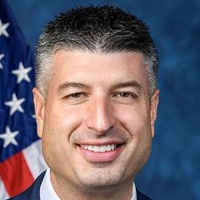
Tom Barrett
Representative
MI
Tom Barrett
Representative
MI
This bill officially designates the United States Postal Service facility located at 117 West Lovett Street in Charlotte, Michigan, as the "Francis C. Flaherty Post Office Building." All official references to this facility will be updated to reflect this new name.
This bill clarifies that a franchisor is only considered a joint employer of a franchisee's workers if it exercises substantial, direct, and immediate control over essential terms of employment.
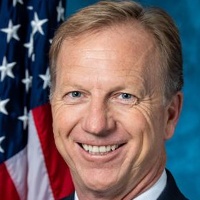
Kevin Hern
Representative
OK
Kevin Hern
Representative
OK
The American Franchise Act aims to protect the traditional franchise business model by clarifying the definition of a "joint employer." This legislation establishes that a franchisor is only considered a joint employer if it exercises "substantial direct and immediate control" over the essential terms of employment for a franchisee's workers. This change specifically targets liability risks associated with maintaining brand standards, ensuring franchisors are not automatically held responsible for local labor practices. The new standard applies prospectively to future legal proceedings.
This bill mandates electronic prior authorization, increases transparency through required data reporting, and establishes faster decision timelines for Medicare Advantage plans to improve timely access to care for seniors.
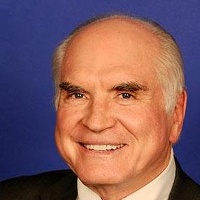
Mike Kelly
Representative
PA
Mike Kelly
Representative
PA
The Improving Seniors’ Timely Access to Care Act of 2025 aims to streamline and modernize the prior authorization process within Medicare Advantage plans. This bill mandates the adoption of electronic prior authorization systems and significantly increases transparency regarding approval rates and decision times starting in 2027. Furthermore, it establishes new enrollee protections and grants the Secretary authority to enforce faster decision timeframes for medical services.
This Act prohibits payment card networks and processors from assigning specific merchant category codes to identify firearms retailers, protecting the privacy of firearm and ammunition purchases.
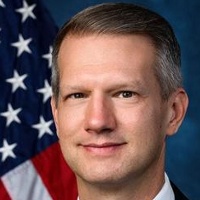
Riley Moore
Representative
WV
Riley Moore
Representative
WV
The Protecting Privacy in Purchases Act prohibits payment card networks and processors from assigning specific merchant category codes to firearms retailers. This legislation aims to protect consumer privacy by preventing the tracking of firearm and ammunition purchases through specialized financial classification. The Attorney General is tasked with enforcing these provisions and reporting annually on compliance.
This bill mandates the development and implementation of a comprehensive strategy to dismantle UNRWA and transition its humanitarian responsibilities to alternative, accountable organizations.
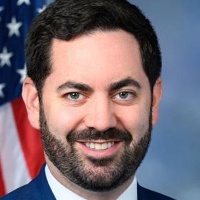
Michael Lawler
Representative
NY
Michael Lawler
Representative
NY
The "Replace UNRWA with Real Humanitarian Assistance Act" mandates that the Secretary of State develop and implement a comprehensive strategy to dismantle the United Nations Relief and Works Agency (UNRWA). The bill requires a structured transition plan to transfer UNRWA’s humanitarian services to alternative entities, ensuring continued aid while prioritizing transparency, accountability, and neutrality.
The Declaration of Independence Reaffirmation Act of 2026 formally reaffirms the Declaration of Independence as a foundational legal document of the United States in commemoration of the nation’s 250th anniversary.
Matt Van Epps
Representative
TN
Matt Van Epps
Representative
TN
The Declaration of Independence Reaffirmation Act of 2026 commemorates the 250th anniversary of American independence by formally reaffirming the Declaration of Independence as a foundational legal document of the United States. This Act underscores the nation's commitment to the principles of national sovereignty, natural rights, and government by consent. To preserve these values, the legislation officially incorporates the full text of the Declaration into federal law.
This bill aims to improve securities laws by increasing SEC accountability, transparency, and cybersecurity, while also streamlining oversight and reforming rulemaking procedures.
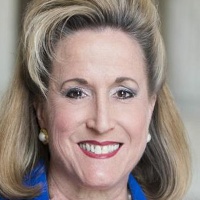
Ann Wagner
Representative
MO
Ann Wagner
Representative
MO
This bill aims to significantly improve the regulation of securities markets by increasing accountability and transparency at the Securities and Exchange Commission (SEC). It mandates rigorous cost-benefit analyses for new rules, strengthens congressional oversight through mandatory testimony, and requires independent reviews of the SEC's cybersecurity and rule effectiveness. Furthermore, the legislation streamlines audit oversight by dissolving the PCAOB and integrating its functions directly into the SEC.
This bill prohibits the SEC from requiring the collection of personally identifiable information from market participants for consolidated audit trail reporting purposes.
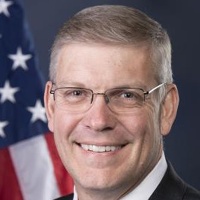
Barry Loudermilk
Representative
GA
Barry Loudermilk
Representative
GA
The Protecting Investors’ Personally Identifiable Information Act prohibits the SEC from requiring market participants to submit sensitive personal data as part of Consolidated Audit Trail (CAT) reporting requirements. This legislation aims to safeguard investor privacy by restricting the collection of information such as Social Security numbers, addresses, and biometric data within federal securities reporting systems.
The Securing Agriculture's Workforce Act of 2026 modernizes the H-2A visa program by streamlining the application process through a centralized online platform, updating labor and housing requirements, and expanding the definition of eligible agricultural work.
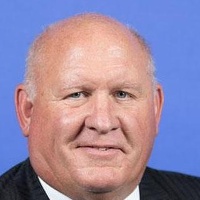
Glenn Thompson
Representative
PA
Glenn Thompson
Representative
PA
The Securing Agriculture's Workforce Act of 2026 modernizes the H-2A visa program to better support the agricultural industry by streamlining application processes and establishing a centralized online portal for employers. The bill updates labor certification, housing, and wage requirements while expanding the definition of eligible agricultural work to include a broader range of activities. Additionally, it enhances worker protections—including new heat illness prevention standards—and provides greater administrative efficiency for federal agencies managing the program.
This resolution recognizes Michigan's history and celebrates the significant contributions of its citizens to the United States as the nation approaches its 250th anniversary.

John Moolenaar
Representative
MI
John Moolenaar
Representative
MI
This resolution recognizes Michigan's admission as the 26th state and celebrates the significant contributions of its people to the United States. It uses the upcoming 250th anniversary of the Declaration of Independence as an occasion to reflect on Michigan's lasting impact on the nation.
This bill caps the total recovery amounts for class action lawsuits alleging willful or negligent violations of the Fair Credit Reporting Act (FCRA).
Barry Loudermilk
Representative
GA
Barry Loudermilk
Representative
GA
The FCRA Liability Harmonization Act aims to standardize civil liability for class action lawsuits under the Fair Credit Reporting Act (FCRA). This bill caps the total recovery amount for both willful and negligent violations in class actions at the lesser of $500,000 or 1% of the company's net worth. Furthermore, it places new limits on the recoverable attorney's fees and court costs associated with these class action claims.
The Financial Exploitation Prevention Act of 2025 empowers mutual funds to delay redemption requests and contact trusted individuals when they suspect the financial exploitation of older or vulnerable investors.
Ann Wagner
Representative
MO
Ann Wagner
Representative
MO
The Financial Exploitation Prevention Act of 2025 empowers mutual funds and transfer agents to protect vulnerable investors by delaying suspicious redemption requests. The bill requires participating firms to maintain trusted contact information and establishes formal internal procedures to identify and report potential financial exploitation. Additionally, it mandates that the SEC report to Congress with recommendations for further regulatory improvements to safeguard older and impaired adults.
This act mandates that public colleges and universities receiving federal funds must grant religious student groups the same rights, benefits, and privileges as all other student organizations on campus.
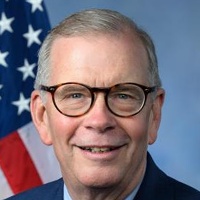
Tim Walberg
Representative
MI
Tim Walberg
Representative
MI
The Equal Campus Access Act of 2025 ensures that public colleges and universities receiving federal funding must grant religious student groups the same rights, benefits, and privileges afforded to all other student organizations. This legislation prohibits discrimination against religious groups based on their beliefs, speech, leadership, or standards of conduct. Essentially, it mandates equal access to campus resources for all student organizations.
This bill authorizes a single Congressional Gold Medal to honor the individuals who defended Bataan, Corregidor, and other Pacific locations during World War II.
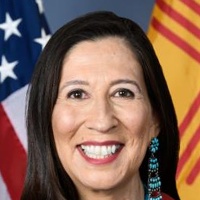
Teresa Leger Fernandez
Representative
NM
Teresa Leger Fernandez
Representative
NM
This bill authorizes the award of a single Congressional Gold Medal to recognize the collective heroism of the individuals who defended Bataan, Corregidor, and other locations in the Pacific theater during World War II. The medal honors the extraordinary sacrifice of U.S. service members and Filipino forces who fought and endured imprisonment by Imperial Japan. Following the presentation, the medal will be permanently displayed at the Smithsonian's National Museum of American History. The legislation also allows for the production and sale of bronze duplicate medals.
This bill renames and revises the Great American Outdoors Act's maintenance fund, increases dedicated funding through new, higher fees for foreign visitors, and sets spending priorities for deferred maintenance across public lands agencies.
Bruce Westerman
Representative
AR
Bruce Westerman
Representative
AR
This bill, the Great American Outdoors Act 250, significantly reforms and renames the existing public lands restoration fund to the America’s Legacy Restoration Fund. It secures dedicated funding streams, primarily from energy revenues and new fees on foreign visitors, to address critical deferred maintenance across the National Park Service, Forest Service, and other public land agencies. The legislation establishes strict spending priorities for infrastructure repair while also creating pilot programs for enhancing outdoor recreation and sportsmen's access. Finally, it mandates increased transparency and accountability through standardized metrics and public reporting on all funded projects.