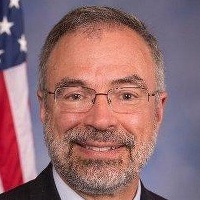
Legislative Activity
Track Andy's sponsored bills, co-sponsored legislation, and voting record
The Dietary Guidelines Reform Act of 2025 overhauls the development of official dietary guidelines, shifting the update cycle to every 10 years, mandating evidence-based review procedures, and establishing an independent advisory board for early updates.
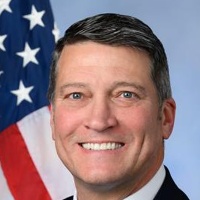
Ronny Jackson
Representative
TX
Ronny Jackson
Representative
TX
The Dietary Guidelines Reform Act of 2025 changes the required update cycle for official dietary guidelines from every five years to at least every ten years, requiring adherence to formal rulemaking procedures. The bill mandates that future guidelines must be based on rigorous, evidence-based scientific review and address accessibility and affordability for all populations. If updates occur sooner than the ten-year cycle, an independent, temporary advisory board must be established to submit guiding scientific questions. The Act also strictly limits the scope of the guidelines, excluding topics like taxation, social welfare, and food production methods.
This bill formally impeaches Chief Judge John James McConnell Jr. of the U.S. District Court for Rhode Island for high crimes and misdemeanors based on allegations of political bias and conflicts of interest.
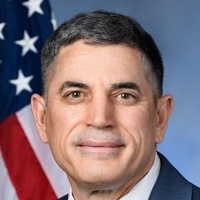
Andrew Clyde
Representative
GA
Andrew Clyde
Representative
GA
This bill constitutes the Articles of Impeachment filed by the House of Representatives against Chief Judge John James McConnell Jr. of the U.S. District Court for Rhode Island. The articles charge the Judge with high crimes and misdemeanors based on allegations of political bias and significant conflicts of interest. Specifically, the accusations cite his political donations, public statements regarding former President Trump, and his leadership role in a non-profit organization funded by a party in a case he presided over. The resolution formally seeks his removal from the federal bench.
This bill prohibits the use of federal taxpayer funds for gender transition procedures and bars federal health plans and ACA premium credits from covering such care.
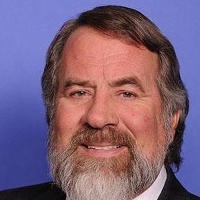
Doug LaMalfa
Representative
CA
Doug LaMalfa
Representative
CA
The End Taxpayer Funding of Gender Experimentation Act of 2025 prohibits the use of any federal funds for gender transition procedures, including those provided through federal health plans or facilities. This ban also extends to the Affordable Care Act, preventing individuals from using federal premium tax credits or cost-sharing reductions to cover plans that include such procedures. The legislation broadly defines gender transition procedures while excluding care for certain disorders of sex development and life-threatening emergencies.
This bill revises physician self-referral rules to create a special exemption for certain rural, physician-owned hospitals and removes expansion restrictions for existing physician-owned hospitals.
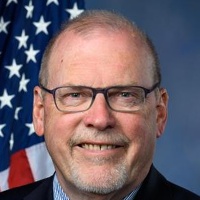
H. Griffith
Representative
VA
H. Griffith
Representative
VA
The Physician Led and Rural Access to Quality Care Act revises physician self-referral rules to improve healthcare access in underserved areas. Specifically, it creates a new exception allowing physician self-referrals to hospitals located in designated rural areas that meet specific distance requirements. Furthermore, the bill removes existing restrictions that previously limited the expansion of services at physician-owned hospitals.
This act exempts surplus broiler hatching eggs sold to egg breakers from a specific current shell egg rule while mandating a new regulation for their handling and temperature control.
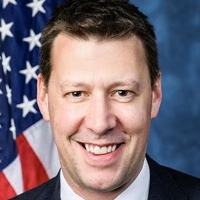
Josh Riley
Representative
NY
Josh Riley
Representative
NY
The Lowering Egg Prices Act of 2025 aims to reduce costs by streamlining the handling of surplus broiler hatching eggs sold to commercial egg breakers for processing into liquid egg products. This bill exempts these specific surplus eggs from certain current shell egg regulations. It also mandates the creation of a new rule within 180 days to establish appropriate temperature and time limits for holding these eggs before processing.
This bill prohibits discrimination against pregnancy centers that offer life-affirming alternatives to abortion and strengthens enforcement mechanisms for related conscience protections.
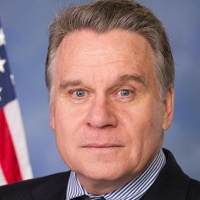
Christopher Smith
Representative
NJ
Christopher Smith
Representative
NJ
The Let Pregnancy Centers Serve Act of 2025 aims to protect pregnancy resource centers from discrimination by federal and state entities due to their commitment to offering life-affirming alternatives to abortion. This bill prohibits government agencies receiving federal funds from penalizing organizations that do not perform, refer for, or counsel in favor of abortion. Furthermore, it strengthens enforcement by allowing qualified parties to directly sue government entities for violating these conscience protections.
This Act prohibits the creation and transfer of specific human-animal chimeras, including those with human brain tissue or reproductive cells, while exempting certain research involving human genes or transplants.
Christopher Smith
Representative
NJ
Christopher Smith
Representative
NJ
The Human-Animal Chimera Prohibition Act of 2025 establishes federal criminal penalties for knowingly creating, transferring, or possessing specific types of human-animal chimeras, including embryos mixing human and nonhuman cells or animals engineered to develop human-like brains or reproductive cells. This legislation broadly bans the mixing of human and nonhuman life forms in defined ways, while explicitly excluding certain research involving the transplantation of human cells or the addition of human genes to animal models. Violations of this Act could result in up to ten years in prison and significant fines.
Expresses support for recognizing "Detransition Awareness Day" to address the challenges faced by individuals who regret sex trait modification interventions and are detransitioning back to their biological sex.
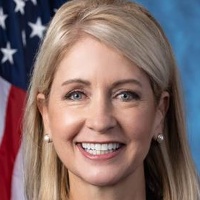
Mary Miller
Representative
IL
Mary Miller
Representative
IL
This bill expresses support for the recognition of "Detransition Awareness Day" to increase understanding and support for individuals who have detransitioned or are detransitioning back to their biological sex. It calls for comprehensive mental health services, informed consent regarding the risks of sex trait modification interventions, and extended statutes of limitations for related medical malpractice claims. The bill also urges the Department of Health and Human Services to review and revise guidelines to promote ethical medical standards and protect patient rights. It encourages states to adopt similar resolutions and initiatives to support detransitioning individuals.
The Fair and Open Competition Act of 2025 prohibits the federal government from requiring or penalizing bidders or contractors on federally funded construction projects based on their agreement or non-agreement with labor unions.
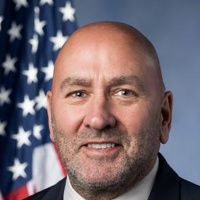
Clay Higgins
Representative
LA
Clay Higgins
Representative
LA
The Fair and Open Competition Act of 2025 ensures fair competition on federally funded construction projects by prohibiting the government from requiring or penalizing bidders based on union agreements. This legislation aims to keep federal agencies neutral in labor relations while promoting cost savings and opening opportunities for all businesses. Exceptions to this neutrality rule are strictly limited to specific public health, safety, or national security emergencies.
This Act prevents the President and the Secretary of HHS from using emergency declarations to impose gun control measures and prohibits federal disaster rules from restricting the possession or transfer of firearms, ammunition, and related accessories.
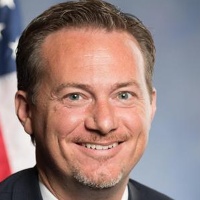
Michael Cloud
Representative
TX
Michael Cloud
Representative
TX
The Protecting the Right to Keep and Bear Arms Act of 2025 restricts the President and the Secretary of Health and Human Services from using emergency declarations to enact gun control measures. This bill specifically prevents the use of the National Emergencies Act and the Public Health Service Act for imposing new firearm restrictions. Furthermore, it amends disaster relief law to prohibit federal disaster declarations from banning the possession, sale, or transfer of firearms, ammunition, or related accessories.
This bill prohibits federal funding or support for research using human fetal tissue obtained from induced abortions while permitting research using tissue from miscarriages or stillbirths under updated guidelines.
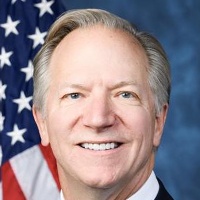
Robert Onder
Representative
MO
Robert Onder
Representative
MO
The Protecting Life and Integrity in Research Act of 2025 bans all federal funding or support for research utilizing human fetal tissue obtained specifically from an induced abortion. The bill permits federal research on tissue derived from miscarriages or stillbirths, provided it adheres to updated Public Health Service Act guidelines. Furthermore, it prohibits the solicitation or knowing acceptance of human fetal tissue donations if the donor knows the tissue resulted from an induced abortion or was procured for that purpose. This legislation also repeals an existing law concerning NIH revitalization.
The REDI Act allows medical and dental interns and residents to defer both principal and interest payments on their student loans while in training.
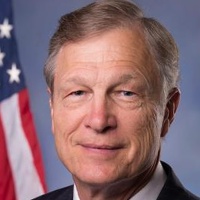
Brian Babin
Representative
TX
Brian Babin
Representative
TX
The Resident Education Deferred Interest (REDI) Act amends federal student loan regulations to provide a specific deferment for medical and dental residents. This allows borrowers currently serving in an internship or residency program to pause principal payments and prevent interest accrual on their student loans during that training period.
This bill directs Congress to award a Congressional Gold Medal to honor the service of the Red Cross "Donut Dollies" who provided recreation and morale support to U.S. troops during the Vietnam War.
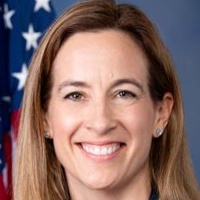
Mikie Sherrill
Representative
NJ
Mikie Sherrill
Representative
NJ
This bill, the Donut Dollies Congressional Gold Medal Act, directs the striking of a Congressional Gold Medal to honor the American Red Cross volunteers who served in the Supplemental Recreation Activities Overseas (SRAO) program during the Vietnam War. These volunteers, known as "Donut Dollies," provided crucial morale support to troops on the front lines. The original medal will be presented on behalf of Congress and ultimately housed at the Smithsonian Institution, with provisions made for selling bronze duplicates.
This bill amends the tax code to allow payments to health care sharing ministries to be treated as deductible medical expenses and clarifies that these ministries are not considered insurance for tax purposes, effective for tax years beginning after December 31, 2025.
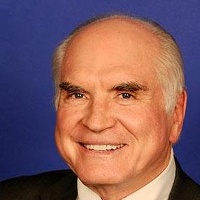
Mike Kelly
Representative
PA
Mike Kelly
Representative
PA
This bill amends the Internal Revenue Code to officially treat payments made to a qualified health care sharing ministry as a deductible medical expense for tax purposes. Furthermore, the legislation clarifies that, for federal tax purposes, these ministries will no longer be considered health insurance plans. These changes are set to take effect for tax years beginning after December 31, 2025.
Calls for Nigeria to be designated as a Country of Particular Concern due to ongoing, severe violations of religious freedom, urging U.S. action to protect religious minorities and promote human rights in the region.
Christopher Smith
Representative
NJ
Christopher Smith
Representative
NJ
This resolution expresses the sense of Congress that Nigeria should be designated as a Country of Particular Concern due to severe violations of religious freedom. It urges the Nigerian government to protect religious minorities, prosecute those responsible for violence, and ensure religious freedom. The resolution also calls for increased U.S. diplomatic efforts and potential sanctions on individuals and groups responsible for religious freedom violations in Nigeria.
The Fighter Force Preservation and Recapitalization Act of 2025 aims to increase and modernize the Air Force's fighter aircraft fleet, ensuring a strong national defense through the year 2030.
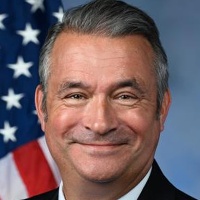
Don Bacon
Representative
NE
Don Bacon
Representative
NE
The Fighter Force Preservation and Recapitalization Act of 2025 aims to modernize and maintain the Air Force's fighter aircraft fleet by increasing the minimum number of fighter aircraft, requiring detailed reports on the fleet's status, prioritizing the assignment of new aircraft to existing squadrons, and preserving the Air National Guard's fighter capabilities. The act mandates the Air Force to assign at least three out of every four new advanced fighter aircraft to existing Air Force fighter squadrons and maintain at least 25 Air National Guard fighter aircraft squadrons. Additionally, it requires the Secretary of the Air Force to develop and submit an annual modernization plan for the Air National Guard's fighter fleet to Congress. The Act defines specific categories of fighter aircraft to clarify modernization efforts.
This bill revokes the tax-exempt status for government bonds issued by jurisdictions designated as "sanctuary cities" for failing to cooperate with federal immigration enforcement.
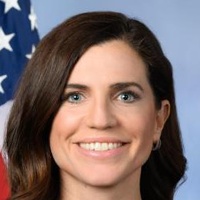
Nancy Mace
Representative
SC
Nancy Mace
Representative
SC
The No Tax Breaks for Sanctuary Cities Act proposes to revoke the tax-exempt status for bonds issued by state or local governments designated as "sanctuary jurisdictions." A sanctuary jurisdiction is defined as one that restricts its officials from sharing immigration status information or complying with federal detainers/release notifications from Homeland Security. This change would apply to bonds issued after the date the Act becomes law.
This resolution formally censures Representative Al Green of Texas for disrupting the 2024 State of the Union address and violating House decorum.
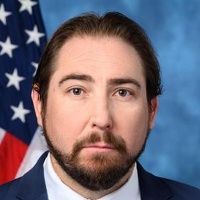
Eli Crane
Representative
AZ
Eli Crane
Representative
AZ
This resolution formally censures Representative Al Green of Texas for disrupting the 2024 State of the Union address. The measure asserts that his actions breached congressional decorum and undermined the dignity of the House. As part of the censure, Representative Green is required to appear in the well of the House to have the resolution read aloud.
The Timely Departure Act mandates nonimmigrant visa applicants to pay a bond of $5,000-$50,000 to ensure timely departure, with forfeiture for overstays, ineligibility for future immigration benefits, and restrictions on asylum applications for overstays.
Robert Onder
Representative
MO
Robert Onder
Representative
MO
The Timely Departure Act mandates nonimmigrant visa applicants (excluding certain visa types and those from visa waiver countries) to pay a bond between $5,000 and $50,000 to ensure timely departure from the U.S. Overstaying a visa results in automatic forfeiture of the bond, ineligibility for future immigration benefits for 4 to 12 years, and prompt removal from the U.S. Asylum seekers must apply before their authorized stay expires, or they will be ineligible. The forfeited bonds will be used for immigration detention and enforcement.
The "Federal Firearms Licensee Protection Act of 2025" increases penalties for stealing firearms from licensed dealers, manufacturers, or importers, especially during burglaries or robberies, and clarifies related definitions.
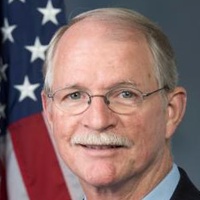
John Rutherford
Representative
FL
John Rutherford
Representative
FL
The "Federal Firearms Licensee Protection Act of 2025" increases penalties for stealing firearms from licensed dealers. It sets stricter punishments, including up to 20 years in prison, for violating laws related to firearm theft. The act also mandates minimum prison sentences of 3 years for burglaries and 5 years for robberies targeting licensed firearm businesses.