Legislative Activity
Track Andy's sponsored bills, co-sponsored legislation, and voting record
The United States-Abraham Accords Cooperation and Security Act of 2025 aims to strengthen international oversight of FDA-regulated products by establishing an Abraham Accords Office within the FDA to provide technical assistance and facilitate communication between the FDA and Abraham Accords countries.
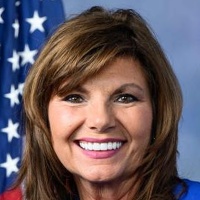
Diana Harshbarger
Representative
TN
Diana Harshbarger
Representative
TN
The United States-Abraham Accords Cooperation and Security Act of 2025 directs the FDA to establish an Abraham Accords Office to strengthen international oversight of FDA-regulated products by providing technical assistance and facilitating communication between the FDA and Abraham Accords countries. Within two years, the Secretary of Health and Human Services must select a location for the office in an Abraham Accords country. The Secretary must submit a report to Congress within three years on the Abraham Accords Office. This act aims to align regulatory requirements and improve coordination between the FDA and entities in Abraham Accords countries.
This bill establishes the Justice Thurgood Marshall National Historic Site at his former elementary school in Baltimore, MD, to preserve and interpret his legacy, while the school will continue to be owned and operated by the Beloved Community Services Corporation with support from the National Park System.
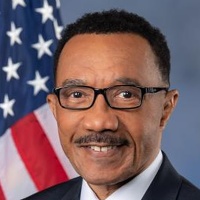
Kweisi Mfume
Representative
MD
Kweisi Mfume
Representative
MD
The "Justice Thurgood Marshall National Historic Site Establishment Act of 2025" establishes Justice Thurgood Marshall's elementary school, Public School 103 in Baltimore, Maryland, as the Justice Thurgood Marshall National Historic Site, affiliated with the National Park System. The Beloved Community Services Corporation will continue to own and manage the site, while the Secretary of the Interior may provide technical and financial assistance. This act aims to preserve and interpret Justice Marshall's historic contributions without authorizing the federal acquisition of the property or assuming financial responsibility for its operation. Necessary funds are authorized to be appropriated for the implementation of this Act.
The "FARM Act of 2025" restricts tax credits for renewable energy production, specifically solar and wind, on agricultural land used by public utilities.
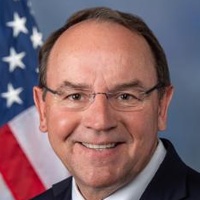
Thomas Tiffany
Representative
WI
Thomas Tiffany
Representative
WI
The FARM Act of 2025 restricts federal tax credits for renewable energy production, specifically solar and wind facilities, when placed on agricultural land by public utilities. This act amends the Internal Revenue Code to deny these credits, aiming to preserve agricultural land.
The Law Enforcement Protection and Privacy Act of 2025 protects law enforcement and firearm licensee information by amending FOIA, penalizing unauthorized disclosures, and allowing private lawsuits for damages.
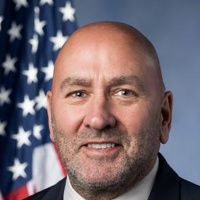
Clay Higgins
Representative
LA
Clay Higgins
Representative
LA
The Law Enforcement Protection and Privacy Act of 2025 amends FOIA to protect sensitive firearms data, penalizes unauthorized disclosures of protected information by non-federal entities, and grants licensees the right to sue for damages resulting from such disclosures. It establishes financial penalties for improper disclosures and allows harmed parties to seek compensation in court. The act defines key terms and ensures that other legal remedies remain available.
The "No More D.C. Waste Act" ensures that federal funds allocated to the District of Columbia for resident tuition support are used within the fiscal year they are appropriated and requires an annual report on the use of these funds.
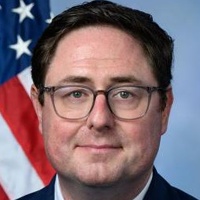
Mike Flood
Representative
NE
Mike Flood
Representative
NE
The "No More D.C. Waste Act" ensures that federal funds allocated to the District of Columbia for resident tuition support are used within the fiscal year they are appropriated. It mandates that unspent funds do not remain available indefinitely. Additionally, it requires the District of Columbia's Chief Financial Officer to submit an annual report to Congress detailing the use of these federal payments, including the number of students assisted, the average aid amount, and any unspent funds.
This bill temporarily reinstates and modifies the deduction for unreimbursed employee business expenses, allowing individuals to deduct 85% of these expenses while adjusting the floor for miscellaneous itemized deductions, and extends the period to claim refunds related to these changes.
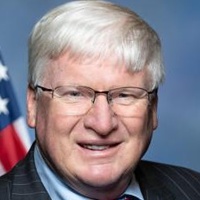
Glenn Grothman
Representative
WI
Glenn Grothman
Representative
WI
The "Employee Business Expense Deduction Reinstatement Act of 2025" reinstates and modifies the deduction for unreimbursed employee expenses, allowing individuals to deduct 85% of costs related to food, lodging, travel, or transportation. It also lowers the floor for miscellaneous itemized deductions from 2% to 1% and extends the statute of limitations for related credit or refund claims by one year. These changes are applicable retroactively as if included in the original 2017 tax law.
The "End FEMA Benefits for Illegal Immigrants Act" terminates FEMA's program that funds shelter services for individuals awaiting immigration processing and redirects unspent funds.
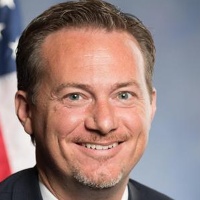
Michael Cloud
Representative
TX
Michael Cloud
Representative
TX
The "End FEMA Benefits for Illegal Immigrants Act" terminates FEMA's program that funds shelters and services for migrants, which aimed to reduce overcrowding in Customs and Border Protection facilities. It also rescinds any remaining funds allocated to FEMA from previous appropriations acts that were intended for Customs and Border Protection operations.
The SCREEN Act requires online platforms that host or provide pornographic content to implement technology to verify users' ages and prevent minors from accessing harmful material.
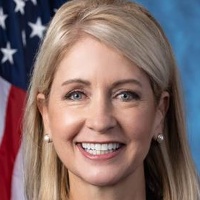
Mary Miller
Representative
IL
Mary Miller
Representative
IL
The SCREEN Act requires online platforms that host or provide pornographic content to implement technology verification measures to prevent minors from accessing harmful material. It mandates that these platforms use reliable age verification methods, undergo regular audits by the Federal Trade Commission (FTC) to ensure compliance, and protect user data collected during the verification process. The FTC is responsible for enforcing the Act, and the Government Accountability Office (GAO) must report to Congress on the effectiveness and impact of these measures. This act aims to protect children from the harmful effects of online pornography.
This bill expedites the approval process for certain drugs, biological products, and devices already approved in trusted countries, aiming to address unmet medical needs in the U.S.
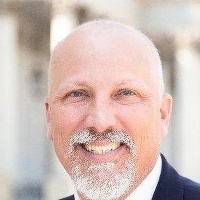
Chip Roy
Representative
TX
Chip Roy
Representative
TX
The Reciprocity Ensures Streamlined Use of Lifesaving Treatments Act of 2025 allows the FDA to grant reciprocal marketing approval for drugs, biological products, and devices already approved in specific countries or the United Kingdom, provided they meet certain safety and need requirements. This aims to expedite access to potentially life-saving treatments in the US. The FDA retains the authority to deny approval based on safety or ineffectiveness concerns, subject to Congressional review.
The "Protect and Serve Act of 2025" establishes federal penalties for intentionally causing serious harm or death to law enforcement officers because of their position, under certain circumstances, and requires Attorney General certification for federal prosecution in many cases.
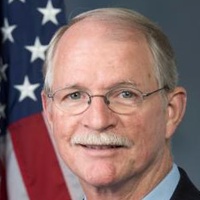
John Rutherford
Representative
FL
John Rutherford
Representative
FL
The "Protect and Serve Act of 2025" creates federal offenses for intentionally causing serious injury or death to law enforcement officers because of their status as officers. It sets penalties including imprisonment and fines, with increased penalties if death results or if kidnapping or attempted killing is involved. Federal prosecution requires certification from the Attorney General, based on a request from the state or if it is in the public interest to ensure substantial justice. The act defines "law enforcement officer" and "State" for the purposes of the new offenses.
The "PAR Act" removes restrictions on using bond proceeds for private or commercial golf courses and country clubs.
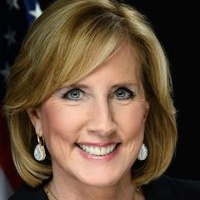
Claudia Tenney
Representative
NY
Claudia Tenney
Representative
NY
The "Parity for Athletic Recreation Act" or "PAR Act" removes the restriction that prohibits bond proceeds from being used for private or commercial golf courses and country clubs. This change applies to bonds issued after the enactment of this Act. Additionally, it affects the empowerment zone employment credit and applies to empowerment zone businesses and opportunity zones.
The "Alien Removal Not Resort Stays Act" redirects federal funds from FEMA's Shelter and Services Program to ICE for enforcement, detention, and removal operations.
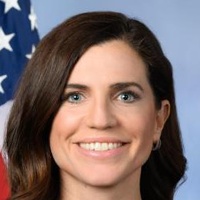
Nancy Mace
Representative
SC
Nancy Mace
Representative
SC
The "Alien Removal Not Resort Stays Act" terminates federal funding for FEMA's Shelter and Services Program, which provides aid to migrants. Funds will be transferred to Immigration and Customs Enforcement (ICE). ICE will use the funds for enforcement, detention, and removal operations.
Prohibits federal funds from being used, either domestically or abroad, to support organizations that perform or promote abortions, with exceptions for rape, incest, or life endangerment.
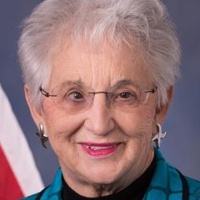
Virginia Foxx
Representative
NC
Virginia Foxx
Representative
NC
The "Protecting Life in Foreign Assistance Act" restricts federal funds from being used by foreign and domestic organizations that perform or promote abortions, furnish abortion-related items, or support entities that do so. This includes barring funds for referrals, counseling, lobbying, and training related to abortions. The restrictions do not apply to abortions in cases of rape, incest, or when the mother's life is at risk.
This bill equalizes the negotiation period for drug price negotiations under the Drug Price Negotiation Program by extending the period for small-molecule drugs from 7 years to 11 years, matching that of biologic drugs.
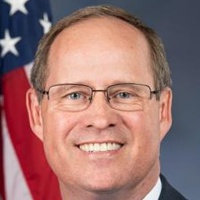
Gregory Murphy
Representative
NC
Gregory Murphy
Representative
NC
This bill amends the Social Security Act to equalize the negotiation period for drug price negotiations under the Drug Price Negotiation Program. It changes the negotiation period for small-molecule drugs from 7 years to 11 years, matching the period already in place for biologic drugs. This adjustment aims to create parity in negotiation timelines between different types of medications, effective as if included in the original legislation.
This bill prohibits tax deductions and credits for marijuana businesses trafficking in controlled substances, aligning federal tax law with the prohibition of marijuana under federal law.
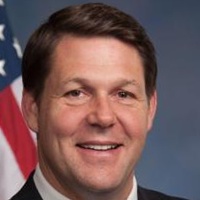
Jodey Arrington
Representative
TX
Jodey Arrington
Representative
TX
The "No Deductions for Marijuana Businesses Act" amends the Internal Revenue Code to prohibit businesses involved in marijuana or controlled substance trafficking from claiming tax deductions or credits for their expenses. This restriction applies regardless of whether the business is violating federal or state law. The change will be effective for expenses paid after the bill is enacted.
The NIH Reform Act divides the National Institute of Allergy and Infectious Diseases into three separate institutes focusing on allergic, infectious, and immunologic diseases.
Chip Roy
Representative
TX
Chip Roy
Representative
TX
The NIH Reform Act divides the National Institute of Allergy and Infectious Diseases into three separate entities: the National Institute of Allergic Diseases, the National Institute of Infectious Diseases, and the National Institute of Immunologic Diseases. It requires the President to appoint directors for each new institute. The act outlines the research focus of the National Institute of Infectious Diseases and the National Institute of Immunologic Diseases. It directs the NIH Director to manage the transition and makes necessary amendments to reflect these changes.
Removes federal immunity for COVID-19 vaccine manufacturers, allowing individuals to sue for vaccine-related losses, while preserving access to existing compensation programs.
Chip Roy
Representative
TX
Chip Roy
Representative
TX
The LIABLE Act removes federal immunity and liability limitations for COVID-19 vaccine manufacturers, allowing individuals to sue for losses caused by the vaccines. Individuals can still seek compensation through existing federal programs, and doing so does not prevent civil action. This applies to any COVID-19 vaccine licensed or authorized by the FDA and is retroactive.
This resolution expresses Congressional opposition to imposing new performance fees or royalties on local radio stations and businesses for broadcasting or playing music.
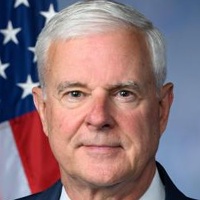
Steve Womack
Representative
AR
Steve Womack
Representative
AR
The Local Radio Freedom Act expresses Congressional opposition to imposing new performance fees, taxes, or royalties on local radio stations and businesses for playing music. It argues that the current system of free airplay provides essential promotional value to artists and that new fees would threaten the financial viability of local broadcasters and the vital community services they provide.
The "Death Tax Repeal Act" eliminates estate and generation-skipping transfer taxes, adjusts gift tax calculations, and sets a $10,000,000 lifetime gift exemption.
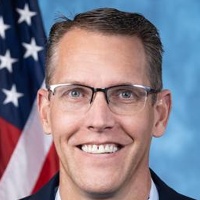
Randy Feenstra
Representative
IA
Randy Feenstra
Representative
IA
The "Death Tax Repeal Act" eliminates both estate and generation-skipping transfer taxes, effective from the date of enactment. It adjusts gift tax calculations by setting the lifetime gift exemption at $10,000,000, with inflation adjustments after 2011. The Act also includes transitional rules for applying certain sections of the Internal Revenue Code during the enactment year.
Mandates that schools receiving federal funds require daily Pledge of Allegiance recitation, display the U.S. flag in every classroom, and provide education on flag history, while allowing individuals to abstain for religious or personal reasons.
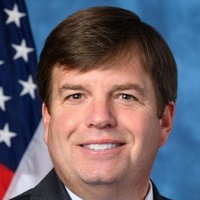
Dale Strong
Representative
AL
Dale Strong
Representative
AL
The "Promoting American Patriotism In Our Schools Act" mandates that schools receiving federal funds must require daily Pledge of Allegiance recitation, prominently display the U.S. flag in classrooms and gyms, and provide education on the flag's history. Individuals can abstain from reciting the Pledge for religious or personal reasons. Non-compliant schools will face enforcement by the Secretary.