Legislative Activity
Track Andy's sponsored bills, co-sponsored legislation, and voting record
This Act mandates that VA medical staff promptly certify the deaths of veterans who died from natural causes within 48 hours to expedite burial and survivor benefits.
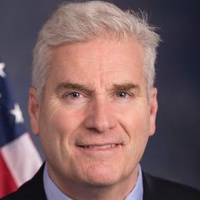
Tom Emmer
Representative
MN
Tom Emmer
Representative
MN
The Veteran Burial Timeliness and Death Certificate Accountability Act addresses significant delays in obtaining death certificates for veterans who die from natural causes, often due to VA medical staff delays. This bill mandates that VA medical providers must certify a veteran's death within 48 hours or allow the local medical examiner to step in. Furthermore, the VA must annually report on its compliance with this new timely certification requirement.
This bill authorizes the creation and sale of commemorative coins for the 2028 Los Angeles and 2034 Salt Lake City Olympic and Paralympic Games to help fund the events, with all surcharges going to the respective organizing committees after covering production costs.
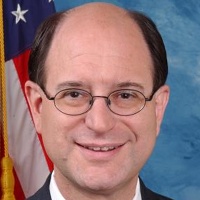
Brad Sherman
Representative
CA
Brad Sherman
Representative
CA
This Act authorizes the Secretary of the Treasury to mint and sell special commemorative coins for the 2028 Los Angeles Olympic and Paralympic Games and the 2034 Salt Lake City Winter Olympic and Paralympic Games. The coins will feature designs celebrating American athletes and the Games themselves. All surcharges collected from the sale of these coins will be directed to the respective organizing committees to help fund the events and related youth sports programs. The entire program must be conducted at no cost to the U.S. Government.
The PBM Reform Act of 2025 mandates sweeping changes to increase transparency, ensure fair pharmacy access in Medicare, and prohibit abusive spread pricing in Medicaid by holding Pharmacy Benefit Managers accountable for their financial dealings.
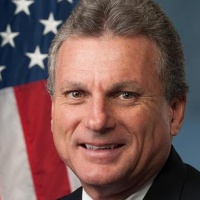
Earl Carter
Representative
GA
Earl Carter
Representative
GA
The Pharmacy Benefit Manager Reform Act of 2025 aims to increase transparency and accountability across the prescription drug supply chain. It mandates fairer pharmacy network access for Medicare beneficiaries and imposes strict new financial reporting and service fee requirements on Pharmacy Benefit Managers (PBMs) working with Medicare and private health plans. Furthermore, the bill establishes new federal mechanisms to accurately track drug acquisition costs in Medicaid and explicitly bans the practice of "spread pricing" in state Medicaid contracts.
This bill mandates quarterly rebates from manufacturers of selected drugs based on the difference between standard Medicare payment rates and the negotiated Maximum Fair Price, while adjusting beneficiary coinsurance accordingly.
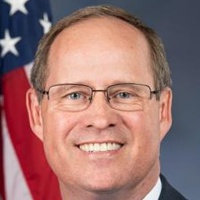
Gregory Murphy
Representative
NC
Gregory Murphy
Representative
NC
This bill, the Protecting Patient Access to Cancer and Complex Therapies Act, establishes a new mandatory rebate system for manufacturers of certain drugs selected for Maximum Fair Price (MFP) negotiation under Medicare. Manufacturers must pay quarterly rebates based on the difference between the standard Medicare payment and the lower negotiated MFP for units sold under Part B. These changes also adjust beneficiary coinsurance calculations to reflect the lower MFP, ensuring patient out-of-pocket costs are based on the negotiated price.
This resolution condemns Russia's forced deportation and Russification of Ukrainian children and demands their return before any final peace agreement is reached.
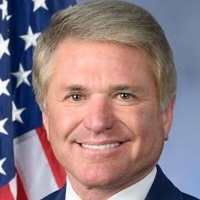
Michael McCaul
Representative
TX
Michael McCaul
Representative
TX
This resolution strongly condemns Russia for the abduction and forced "Russification" of Ukrainian children, highlighting these actions as grave violations of international law. It emphasizes that these children must be safely returned to Ukraine before any final peace agreement to end the war is considered. The document also underscores the heightened risks of trafficking, violence, and trauma faced by Ukrainian children due to the ongoing invasion.
The End DED Act prohibits the use of federal funds for the Deferred Enforced Departure program, asserting that immigration benefits are the purview of Congress, not the Executive Branch.

Chip Roy
Representative
TX
Chip Roy
Representative
TX
The End DED Act seeks to eliminate the use of Deferred Enforced Departure (DED) by the executive branch, asserting that this authority belongs to Congress. The bill prohibits the use of any federal funds or resources for the DED program. This action aims to formalize immigration relief through the existing Temporary Protected Status (TPS) framework established by Congress.
The TPS Reform Act of 2025 transfers the authority to designate, extend, or terminate Temporary Protected Status from the executive branch to Congress through new legislative acts.
Chip Roy
Representative
TX
Chip Roy
Representative
TX
The TPS Reform Act of 2025 fundamentally shifts the authority for designating and extending Temporary Protected Status (TPS) from the executive branch to Congress. Under this Act, Congress must pass specific legislation to grant initial TPS or approve any extensions based on ongoing conflict or disaster conditions. The Secretary of Homeland Security assumes the administrative responsibilities previously held by the Attorney General regarding TPS.
This resolution expresses support for designating September 25th as National Stop SuiSilence Day to encourage open conversation and action regarding suicide prevention.
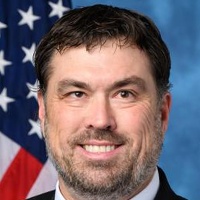
Morgan Luttrell
Representative
TX
Morgan Luttrell
Representative
TX
This resolution expresses strong support for designating **September 25th** as **National Stop SuiSilence Day**. The bill emphasizes that open conversation is crucial for reducing the stigma surrounding suicide and preventing loss of life. It encourages individuals, communities, and the government to actively engage in suicide prevention awareness and action on this designated day.
The OCED Elimination Act abolishes the Office of Clean Energy Demonstrations (OCED) within the Department of Energy and repeals related provisions, including Section 41201 of the Infrastructure Investment and Jobs Act.
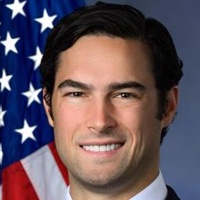
Brandon Gill
Representative
TX
Brandon Gill
Representative
TX
The OCED Elimination Act officially abolishes the Office of Clean Energy Demonstrations (OCED) within the Department of Energy. This legislation also repeals Section 41201 of the Infrastructure Investment and Jobs Act, eliminating associated programs and requirements. In short, this bill shuts down the OCED and removes a specific section of prior energy legislation.
This bill repeals specific Affordable Care Act provisions that limited Medicare exceptions to the prohibition on certain physician referrals to hospitals.
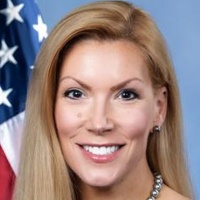
Beth Van Duyne
Representative
TX
Beth Van Duyne
Representative
TX
The Patient Access to Higher Quality Health Care Act of 2025 aims to repeal specific provisions within the Affordable Care Act and related legislation that limited exceptions to the prohibition on certain physician referrals to hospitals under Medicare. This action effectively restores pre-ACA rules regarding physician referrals for hospital services. The bill focuses on modifying existing Medicare regulations concerning physician-hospital relationships.
The STOP CSAM Act of 2025 strengthens protections for child victims in federal court, mandates technology companies to report suspected child sexual exploitation, and expands civil remedies for victims against perpetrators and online platforms.
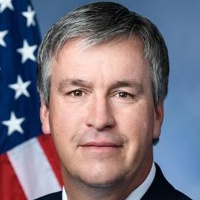
Barry Moore
Representative
AL
Barry Moore
Representative
AL
The STOP CSAM Act of 2025 significantly strengthens protections for child victims and witnesses in federal court by expanding definitions of harm and restricting the public disclosure of their identities. It mandates new, strict reporting duties for tech providers regarding child sexual exploitation material, backed by substantial criminal and civil penalties for non-compliance. Furthermore, the Act creates broad new civil remedies allowing victims to sue responsible online platforms and app stores for damages related to exploitation that occurred during their childhood. Finally, it improves restitution procedures, particularly for vulnerable victims, while ensuring existing state and tribal protections remain intact.
This bill prohibits federal health programs from using quality-adjusted life years (QALYs) in coverage decisions while also setting specific funding levels for the Prevention and Public Health Fund.
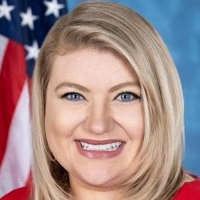
Katherine Cammack
Representative
FL
Katherine Cammack
Representative
FL
The Protecting Health Care for All Patients Act of 2025 bans federal health programs, including Medicare, Medicaid, and CHIP, from using Quality-Adjusted Life Years (QALYs) or similar metrics in coverage and payment decisions. This ensures that extending life for older, disabled, or terminally ill individuals is not valued less than for others. The bill also sets specific funding levels for the Prevention and Public Health Fund through fiscal year 2031 and mandates an annual report on QALYs' impact on individuals with intellectual and developmental disabilities.
This bill repeals the Freedom of Access to Clinic Entrances (FACE) Act, effectively removing federal criminal penalties for obstructing access to reproductive health clinics.
Chip Roy
Representative
TX
Chip Roy
Representative
TX
The FACE Act Repeal Act of 2025 seeks to eliminate federal protections that currently prohibit the obstruction of reproductive health clinic entrances, the use of force or threats against patients and providers, and the intentional damage of clinic property. If enacted, this legislation would immediately repeal these federal criminal prohibitions and apply to all pending or future prosecutions.
This act mandates the creation of a real-time, exclusive online portal for Members of Congress to access detailed federal award and spending information, including payments to individuals.
Chip Roy
Representative
TX
Chip Roy
Representative
TX
The Make DOGE Permanent Act mandates the creation of a special, real-time access portal for members of Congress to view federal award spending data. This exclusive access will provide Congress with the latest information, including details on payments made to individuals and federal employees, which may be restricted on the public website. The Office of Management and Budget (OMB) must establish this dedicated link within six months of the bill's enactment.
This resolution formally declares the inherent value of every human life, recognizes the *Dobbs* decision, and establishes an annual "Life Month" to support policies and resources that protect the unborn and assist new families.
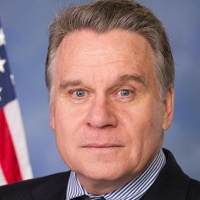
Christopher Smith
Representative
NJ
Christopher Smith
Representative
NJ
This joint resolution formally establishes "Life Month" to affirm the fundamental value and inherent dignity of every human life as an unalienable right. It recognizes the Supreme Court's *Dobbs* decision and urges Congress to enact laws protecting unborn life. Furthermore, the resolution commends organizations and individuals who support pregnant women and new families.
The RESTORE Act promotes access to restorative reproductive medicine, protects providers who opt out of assisted reproductive technology, and mandates research and education on fertility and reproductive health conditions.

Diana Harshbarger
Representative
TN
Diana Harshbarger
Representative
TN
The RESTORE Act aims to improve reproductive health care by promoting access to restorative reproductive medicine and fertility awareness-based methods. It directs federal agencies to review standards of care, expand relevant research, and update medical coding to ensure accurate classification and reimbursement for these treatments. Furthermore, the bill protects healthcare providers from discrimination based on their refusal to participate in assisted reproductive technology.
This bill prohibits former government employees involved in Foreign Military Sales from immediately lobbying federal officials regarding those same sales after leaving office.
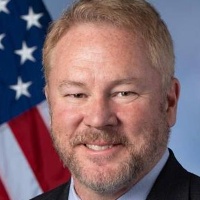
Warren Davidson
Representative
OH
Warren Davidson
Representative
OH
The No Revolving Doors in FMS Act of 2025 establishes new restrictions for former State Department and Department of Defense employees involved in Foreign Military Sales (FMS). This legislation prohibits these former officials from lobbying Congress or federal employees regarding the specific FMS programs they worked on within the three years prior to leaving federal service. The bill aims to prevent immediate conflicts of interest by closing the "revolving door" between government service and lobbying in the FMS sector.
This Act mandates the disclosure of certain substance use disorder medication records to state prescription drug monitoring programs only when required by state law.
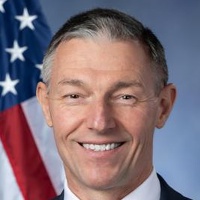
Mike Kennedy
Representative
UT
Mike Kennedy
Representative
UT
The Safe Prescribing Through Reporting Act of 2025 amends federal law to allow the disclosure of patient records related to substance use disorder medications to state prescription drug monitoring programs. This sharing is contingent upon the specific requirements and mandates set forth by individual state laws. The goal is to enhance oversight and safety in prescribing these critical medications.
This bill establishes a new excise tax on proceeds received by parties from third-party litigation financing agreements, effective after 2025.
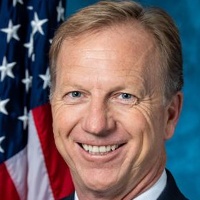
Kevin Hern
Representative
OK
Kevin Hern
Representative
OK
The Tackling Predatory Litigation Funding Act establishes a new federal excise tax on proceeds received from third-party litigation financing agreements. This tax is calculated at the highest income tax rate plus an additional 3.8 percentage points, applied annually to the proceeds received by a "covered party." The bill also institutes specific withholding requirements on payments made to financiers and reclassifies litigation funding proceeds to ensure this new tax structure is applied.
This bill phases out the enhanced federal funding match for Medicaid coverage provided to low-income adults between 2027 and 2034, while establishing new rules for states that have not yet expanded Medicaid.
Chip Roy
Representative
TX
Chip Roy
Representative
TX
The Ending Medicaid Discrimination Against the Most Vulnerable Act modifies the enhanced federal funding structure for Medicaid coverage provided to low-income adults. This bill establishes a gradual phase-out of the enhanced Federal Medical Assistance Percentage (FMAP) between 2027 and 2034, with the extra funding ending entirely in 2035. Furthermore, the legislation alters the incentives for states that have not yet expanded Medicaid coverage, potentially limiting future enhanced funding for those states if they expand after 2024.