
Legislative Activity
Track Dan's sponsored bills, co-sponsored legislation, and voting record
This act increases the annual and aggregate loan limits for Federal Direct Unsubsidized Stafford Loans for graduate and professional students, effective July 1, 2026.
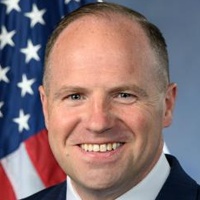
Timothy Kennedy
Representative
NY
Timothy Kennedy
Representative
NY
The Loan Equity for Advanced Professionals Act raises the federal student loan limits for graduate and professional students. Effective July 1, 2026, the annual borrowing limit for Federal Direct Unsubsidized Stafford Loans will increase to \$50,000, and the aggregate limit will rise to \$200,000. This aims to provide greater financial support for advanced degree candidates.
This bill significantly increases civil penalties across various federal labor laws, strengthens enforcement for health plan compliance, establishes penalties for employer unfair labor practices, and treats certain recordkeeping failures as continuing violations.
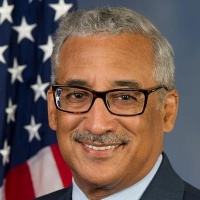
Robert Scott
Representative
VA
Robert Scott
Representative
VA
The Labor Enforcement to Securely Protect Workers (LETS Protect Workers) Act significantly increases civil penalties for violations across major federal labor laws, including child labor, wage and hour, and workplace safety standards. It strengthens enforcement mechanisms for mine safety violations and retaliation against miners, while also establishing new penalties for employer unfair labor practices under the National Labor Relations Act. Furthermore, the bill enhances enforcement for health plan parity and makes certain recordkeeping failures under OSHA and FLSA continuing violations.
This resolution commends state and local governments for championing reproductive rights as human rights while condemning abortion restrictions and criminalization following the *Dobbs* decision.
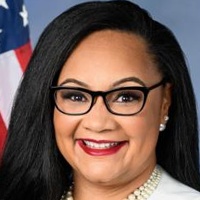
Nikema Williams
Representative
GA
Nikema Williams
Representative
GA
This concurrent resolution commends state and local governments for championing reproductive rights as human rights following the overturning of *Roe v. Wade*. It declares that denying abortion care leads to severe health risks and highlights the criminalization of pregnancy outcomes across the U.S. The resolution urges states to repeal abortion restrictions and affirm that reproductive rights are fundamental human rights.
This bill officially designates the United States Postal Service facility at 86 Main Street in Haverstraw, New York, as the Paul Piperato Post Office Building.
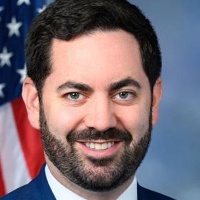
Michael Lawler
Representative
NY
Michael Lawler
Representative
NY
This bill officially designates the United States Postal Service facility located at 86 Main Street in Haverstraw, New York, as the "Paul Piperato Post Office Building." This action ensures the facility will be known by this name in all official federal records and documents moving forward.
This bill officially renames the United States Postal Service facility in Holmes, New York, as the Sheriff Adrian Butch Anderson Post Office Building.
Michael Lawler
Representative
NY
Michael Lawler
Representative
NY
This bill officially designates the United States Postal Service facility located at 298 Route 292 in Holmes, New York, as the "Sheriff Adrian Butch Anderson Post Office Building." This change ensures all federal records and documents will use the new official name for this location.
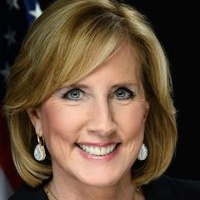
This bill officially renames the U.S. Postal Service facility in Avon, New York, as the Officer Anthony Mazurkiewicz Memorial Post Office Building.
Claudia Tenney
Representative
NY
Claudia Tenney
Representative
NY
This bill officially designates the United States Postal Service facility located at 80 Prospect Street in Avon, New York, as the **Officer Anthony Mazurkiewicz Memorial Post Office Building**. This action ensures the facility will bear this name in all federal records and references moving forward.
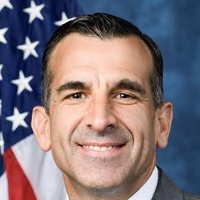
This bill establishes new requirements, time limits, and Congressional approval for Department of Defense support to civilian law enforcement, prohibits dual service in the DoD and civilian law enforcement, and creates a private right of action for violations.
Sam Liccardo
Representative
CA
Sam Liccardo
Representative
CA
The Military in Law Enforcement Accountability Act establishes new requirements and strict time limits for the Department of Defense when providing support to civilian law enforcement agencies, requiring prior Congressional notification and justification. It also prohibits Department of Defense personnel from simultaneously serving in civilian law enforcement roles, with limited exceptions for reservists. Furthermore, the bill broadens the circumstances under which military and federal law enforcement can assist civil authorities and creates a private right of action for violations of the Act.
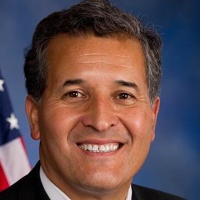
This bill authorizes the Attorney General to appoint qualified, temporary immigration judges for limited terms to assist with case backlogs while emphasizing the need for permanent appointments and rigorous training.
Juan Vargas
Representative
CA
Juan Vargas
Representative
CA
This bill establishes the **Temporary Immigration Judge Integrity Act** to authorize the Attorney General to appoint highly qualified, temporary immigration judges for limited terms. These temporary judges are intended to supplement, not replace, permanent judges and must meet specific experience requirements. The legislation mandates rigorous oversight, training protocols, and limits the total service time for these temporary appointments to ensure judicial integrity.
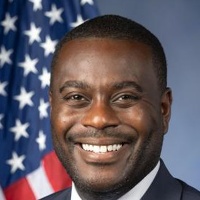
This bill establishes a National Strategy for Combating Scams, led by the FBI, to coordinate federal efforts, define scams, and improve prevention and victim recovery.
Gabe Amo
Representative
RI
Gabe Amo
Representative
RI
This bill establishes the **National Strategy for Combating Scams Act of 2025** to address the massive financial and personal toll of scams, which are increasingly utilizing advanced technology like AI. It mandates the FBI to form a working group with numerous federal agencies to develop a comprehensive, coordinated national strategy. This strategy will define "scam," evaluate risks, improve federal coordination, and outline plans for prevention, victim recovery, and international cooperation.
This bill mandates a report on the feasibility of using emerging technologies to enhance internet freedom in Iran.
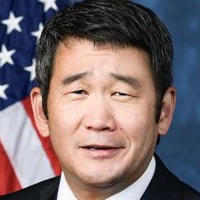
Dave Min
Representative
CA
Dave Min
Representative
CA
The Feasibility Review of Emerging Equipment for Digital Open Media Act (FREEDOM Act) mandates the Secretary of State to report on internet freedom in Iran. This report must assess the feasibility of using emerging technologies, like direct-to-cell wireless, to expand internet access. It will also analyze the impact of current drone and jamming technologies on these efforts.
This bill establishes a CISA program to promote cybersecurity careers specifically to disadvantaged communities across the United States.
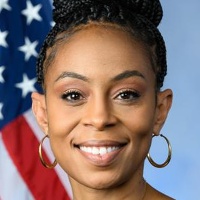
Shontel Brown
Representative
OH
Shontel Brown
Representative
OH
The Expanding Cybersecurity Workforce Act of 2025 establishes a new CISA program to actively promote cybersecurity careers to disadvantaged communities across the nation. This initiative specifically targets outreach to older individuals, minorities, people with disabilities, veterans, and those from nontraditional educational backgrounds. The goal is to diversify and strengthen the U.S. cyber workforce through tailored education and training assistance. The Act authorizes $20 million annually through fiscal year 2031 to support these efforts.
This resolution reaffirms U.S. partnership with Honduras to counter narcotics while strongly condemning the pardon of former Honduran President Juan Orlando Hernández following his conviction on drug trafficking charges.
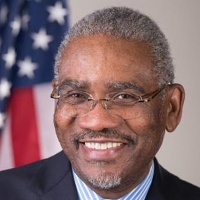
Gregory Meeks
Representative
NY
Gregory Meeks
Representative
NY
This resolution reaffirms the U.S. commitment to partnering with Honduras on security and counter-narcotics efforts while strongly condemning the pardon of former President Juan Orlando Hernández. It highlights Hernández's conviction for drug trafficking and argues that the pardon undermines U.S. anti-corruption efforts and justice for victims. The resolution also urges continued cooperation with Honduras on fair elections, security, and development, while rejecting unauthorized military force.
This bill amends federal law to allow Byrne JAG funds to establish and operate elder justice task forces dedicated to combating scams targeting seniors, requiring detailed reporting on their activities.
Gabe Amo
Representative
RI
Gabe Amo
Representative
RI
The STOP Scams Against Seniors Act amends existing law to allow federal Byrne JAG grant funds to be used by states and local governments to establish and operate elder justice task forces. These task forces will focus on combating financial exploitation, scams, and fraud targeting individuals aged 60 and older. The legislation also mandates detailed reporting on the task forces' activities, case outcomes, and victim support provided.
The Right to Read Act of 2025 establishes definitions for effective school libraries and the right to read, amends federal education law to require state and local plans supporting these rights, authorizes funding for literacy programs, and mandates data collection on school libraries.
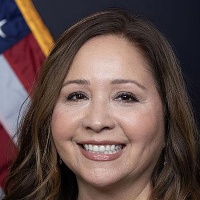
Adelita Grijalva
Representative
AZ
Adelita Grijalva
Representative
AZ
The Right to Read Act of 2025 amends federal education law to establish a comprehensive "right to read" for all students, ensuring access to evidence-based instruction, effective school libraries, and diverse reading materials. The bill defines key terms like "effective school library" and mandates that states and local agencies detail plans to support these resources and protect students' First Amendment rights regarding information access. Furthermore, it authorizes significant new funding to improve literacy programs, support school librarians, and mandates national data collection on school library resources.
The HELP Copays Act mandates that financial assistance from non-profits and drug manufacturers must count toward a patient's deductible, copay, and out-of-pocket maximum for prescription drugs.
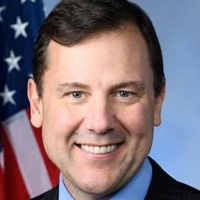
Thomas Kean
Representative
NJ
Thomas Kean
Representative
NJ
The HELP Copays Act requires that financial assistance provided by non-profit organizations and drug manufacturers must count toward a patient's deductible, copayments, and out-of-pocket maximums for prescription drugs. This change ensures that patient assistance dollars directly reduce the amount a patient must pay before their coverage fully kicks in. The legislation specifically applies to specialty drugs and those subject to utilization management. These provisions will take effect for plan years beginning on or after January 1, 2026.
This act establishes a special registration process allowing physicians to administer certain unapproved, Schedule I investigational drugs to terminally ill patients under Right to Try laws.
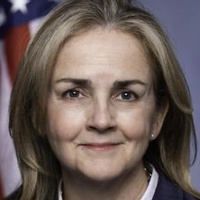
Madeleine Dean
Representative
PA
Madeleine Dean
Representative
PA
The Freedom to Heal Act of 2025 establishes a special registration process for physicians to administer certain unapproved, experimental Schedule I investigational drugs to terminally ill patients under existing "Right to Try" laws. This process, overseen by the Attorney General, requires physicians to meet specific criteria regarding state compliance, manufacturer agreements, and drug handling to prevent diversion. The Act mandates a swift approval timeline for these applications, enabling terminally ill patients greater access to promising treatments.
This bill mandates that the Federal Energy Regulatory Commission (FERC) apply new environmental and environmental justice standards, including quantifying greenhouse gas emissions, when approving natural gas pipeline projects.
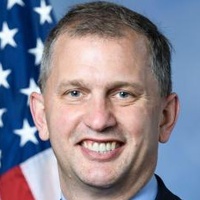
Sean Casten
Representative
IL
Sean Casten
Representative
IL
This act amends the Natural Gas Act to require the Federal Energy Regulatory Commission (FERC) to apply new environmental and environmental justice standards when approving natural gas pipeline projects. FERC must now quantify greenhouse gas emissions and specifically evaluate impacts on environmental justice communities before determining if a project serves the "public convenience and necessity." The bill mandates that FERC weigh significant environmental effects against project benefits and require mitigation for adverse impacts.
The Dignity for Detained Immigrants Act establishes comprehensive standards, rigorous oversight, and new custody procedures to ensure humane treatment and due process for all noncitizens detained by the Department of Homeland Security, while phasing out for-profit detention facilities.
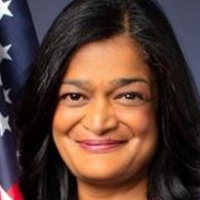
Pramila Jayapal
Representative
WA
Pramila Jayapal
Representative
WA
The Dignity for Detained Immigrants Act aims to overhaul immigration detention by establishing mandatory, high standards based on ABA guidelines and increasing transparency through rigorous, unannounced inspections. The bill prohibits the use of private, for-profit detention facilities within three years and ends the mandatory detention of most noncitizens, prioritizing release or community-based alternatives. Furthermore, it establishes new due process rights, including timely custody hearings, a presumption of release, and prohibitions on detaining children or using solitary confinement.
This act rescinds significant immigration enforcement funding while establishing multiple new tax credits aimed at increasing housing affordability for first-time buyers, builders of starter homes, and renters, alongside incentives for converting commercial buildings into affordable housing.
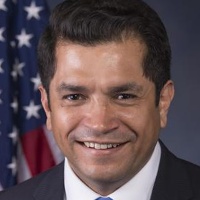
Jimmy Gomez
Representative
CA
Jimmy Gomez
Representative
CA
The Make Housing Affordable and Defend Democracy Act aims to increase housing accessibility through several tax incentives while simultaneously rescinding significant funding previously allocated for immigration enforcement. Key provisions establish new tax credits for first-time homebuyers, builders of starter homes, and the conversion of commercial buildings into affordable rentals. Additionally, the bill introduces a Renter Tax Credit for those spending over 30% of their income on rent, with an option for monthly advance payments.
The No Robot Bosses Act regulates the use of automated decision systems in employment by requiring impact assessments, transparency notices, and a right to human review for covered individuals.
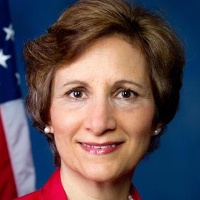
Suzanne Bonamici
Representative
OR
Suzanne Bonamici
Representative
OR
The No Robot Bosses Act regulates the use of automated decision systems (ADS) in employment-related decisions, requiring employers to conduct impact assessments and provide notice and human review rights to covered individuals. The bill establishes the Technology and Worker Protection Division within the Department of Labor to oversee enforcement, which includes creating a private right of action for violations. Furthermore, it prohibits employers from making final employment decisions solely based on an ADS output unless rigorous testing, validation, and human corroboration occur.