This bill amends federal law to allow Byrne JAG funds to establish and operate elder justice task forces dedicated to combating scams targeting seniors, requiring detailed reporting on their activities.
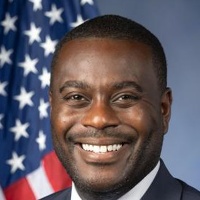
Gabe Amo
Representative
RI-1
The STOP Scams Against Seniors Act amends existing law to allow federal Byrne JAG grant funds to be used by states and local governments to establish and operate elder justice task forces. These task forces will focus on combating financial exploitation, scams, and fraud targeting individuals aged 60 and older. The legislation also mandates detailed reporting on the task forces' activities, case outcomes, and victim support provided.
STOP Scams Act Redirects Federal Funds to Task Forces Fighting Financial Fraud Against Seniors
The STOP Scams Against Seniors Act takes a direct shot at the growing problem of elder financial exploitation by explicitly allowing existing federal grant money to be used for dedicated task forces. Specifically, this legislation amends the law governing Byrne Justice Assistance Grant (JAG) funds to allow states and local governments to use this money to establish and run "elder justice task forces." These task forces are required to focus on financial exploitation, scams, and fraud targeting people aged 60 or older, providing a clear, federally supported funding stream for this specific type of crime prevention.
Putting the Money Where the Scams Are
If you’ve ever wondered why law enforcement seems slow to investigate that phishing email your retired uncle fell for, part of the issue is often a lack of dedicated resources. Byrne JAG funds are flexible pots of money used for various criminal justice needs. This bill carves out a new, specific allowable use under 34 U.S.C. 10152(a)(1): funding these specialized elder justice teams. The bill mandates that these task forces must include or coordinate with local law enforcement, prosecutors, adult protective services (APS) professionals, and even federal agencies. Think of it as creating a specialized SWAT team, but for stopping financial predators instead of bank robbers.
For everyday people, this means that when a grandparent gets taken by a fake IRS call or a romance scammer, there will be dedicated state and local resources trained to handle that exact situation. This coordination between law enforcement and APS is crucial because financial exploitation is often tied to vulnerability, requiring both criminal investigation and social support.
Mandatory Homework for Accountability
This isn’t just a blank check; the bill builds in serious accountability. Any grant recipient using these funds must submit detailed reports. They have to track the number of cases started, the number fully investigated, and crucially, how many victims received support, legal assistance, or restitution. They also need to report the exact type of scam and the perpetrator's initial contact method—was it a phone call, email, or a fake tech support pop-up? This data, required for each case, also needs to flag any indicators of organized or transnational criminal involvement.
Why does this matter to you? The detailed reporting requirements mean we'll get a much clearer picture of how these scams operate and who is running them. This data is the intelligence needed to inform better public warnings and prevention strategies, making it harder for the next wave of scammers to hit your parents or neighbors. All this information is then summarized by the Attorney General in an annual report to Congress, ensuring the program is transparent and effective.