This resolution reaffirms U.S. partnership with Honduras to counter narcotics while strongly condemning the pardon of former Honduran President Juan Orlando Hernández following his conviction on drug trafficking charges.
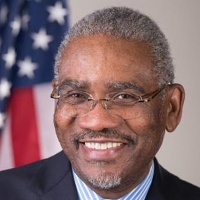
Gregory Meeks
Representative
NY-5
This resolution reaffirms the U.S. commitment to partnering with Honduras on security and counter-narcotics efforts while strongly condemning the pardon of former President Juan Orlando Hernández. It highlights Hernández's conviction for drug trafficking and argues that the pardon undermines U.S. anti-corruption efforts and justice for victims. The resolution also urges continued cooperation with Honduras on fair elections, security, and development, while rejecting unauthorized military force.
New Resolution Condemns Pardon of Convicted Honduran Ex-President, Calls Out US Policy Double Standards
This resolution is a strong statement about U.S. foreign policy and how we handle high-level drug trafficking and corruption. It starts by slamming the recent pardon of former Honduran President Juan Orlando Hernández, who was convicted in the U.S. for running a massive, violent drug conspiracy. The resolution explicitly condemns the pardon, arguing that letting a high-profile, convicted trafficker off the hook undermines U.S. efforts to fight corruption globally and emboldens criminal syndicates. This is a direct shot at the administration, suggesting the pardon sends a terrible signal that political influence can trump the rule of law.
The Policy Tightrope: Partnership vs. Principle
While condemning the pardon, the resolution makes sure to reiterate that the U.S. will continue partnering with Honduras on security, counter-narcotics efforts, managing migration, and economic development—no matter who wins the upcoming election. This is the classic foreign policy tightrope walk: maintaining crucial security cooperation while simultaneously calling out bad behavior at the highest levels. For folks working in global trade or security, this means the cooperation channels should stay open, but the political temperature is definitely rising. The resolution also urges the State Department to strengthen anti-corruption efforts by using tools like Magnitsky sanctions, which freeze assets and block visas for those involved in significant corruption or human rights abuses. This is a real-world tool that could directly impact the financial lives of corrupt officials and their networks in Central America.
Due Process for All, Not Just the Connected
Perhaps the most interesting part of this resolution is its focus on perceived hypocrisy in U.S. counter-narcotics policy. The text points out that the U.S. has used military force, including lethal boat strikes, against alleged 'narcoterrorists' without trial—resulting in dozens of deaths. The resolution rejects this unauthorized use of military force against individuals without the possibility of interdiction, trial, and conviction. It contrasts this approach with the pardon of Hernández, who was tried and convicted in a U.S. court. Essentially, the resolution is saying: How can we justify killing low-level alleged traffickers without due process while pardoning a high-level convicted kingpin? This highlights a major policy contradiction regarding due process that affects everyone from military operators to human rights advocates.
What This Means for the Real World
For the average person, this resolution signals that the fight against corruption and drug trafficking remains a major priority, but it also shows deep internal disagreement about how that fight should be waged. If you’re a business owner operating in Central America, the call for increased Magnitsky sanctions means the U.S. is serious about targeting corrupt networks, which could potentially clean up the operating environment but also introduce new risks if your partners are targeted. For victims of drug violence and corruption—both in the U.S. and Honduras—the resolution offers a statement of solidarity and a demand for accountability, even as the pardon decision itself denies them full justice. It’s a powerful political statement that aims to restore U.S. credibility by calling out the policy inconsistencies that undermine the rule of law.