The Right to Read Act of 2025 establishes definitions for effective school libraries and the right to read, amends federal education law to require state and local plans supporting these rights, authorizes funding for literacy programs, and mandates data collection on school libraries.
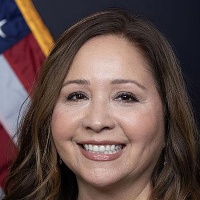
Adelita Grijalva
Representative
AZ-7
The Right to Read Act of 2025 amends federal education law to establish a comprehensive "right to read" for all students, ensuring access to evidence-based instruction, effective school libraries, and diverse reading materials. The bill defines key terms like "effective school library" and mandates that states and local agencies detail plans to support these resources and protect students' First Amendment rights regarding information access. Furthermore, it authorizes significant new funding to improve literacy programs, support school librarians, and mandates national data collection on school library resources.
The 'Right to Read Act' Authorizes $600M Annually to Put Certified Librarians Back in Schools
The “Right to Read Act of 2025” is a major overhaul of federal education law (specifically the Elementary and Secondary Education Act) aimed at standardizing and funding school libraries and literacy programs across the country. Think of it as the federal government saying, “We’re making a national push to ensure every kid can read well and knows how to use information.”
This bill does three big things: First, it creates federal definitions for what an “effective school library” and the “right to read” actually mean, tying them directly to federal funding compliance. Second, it authorizes a hefty $600 million annually ($500 million for Comprehensive Literacy Grants and $100 million for Innovative Literacy Grants) from 2026 through 2030, with a clear mandate to use that money to support effective school libraries and certified librarians (SEC. 4). Finally, it expands the definition of “teacher” in federal law to include school librarians, giving them a much-needed boost in professional standing and eligibility for certain funding streams (SEC. 1).
The Library Standard: What Makes a School Library "Effective"?
If you’re a parent, this is where the rubber meets the road. The bill defines an “effective school library” with specific criteria that districts must meet if they want to access federal funds. This isn't just about having a room full of books; it requires the library to be staffed by at least one full-time, State-certified school librarian and supporting staff, be open before, during, and after school, and maintain a current collection of digital and print materials (SEC. 2). For a kid in a high-need school, this means the difference between having a quiet study hall and having a dedicated professional who can teach them how to research a term paper or evaluate a news source.
Crucially, the bill also defines the “right to read” as including access to evidence-based reading instruction, culturally diverse materials, reading materials at home, and, notably, the “freedom to choose reading materials” (SEC. 2). This last part is reinforced by a requirement that states and local districts must commit to protecting students’ First Amendment rights in school libraries, ensuring that decisions about library holdings aren't made in a “partisan, political manner” (SEC. 8).
Digital Literacy and the Paperwork Trail
For state and local education agencies (SEAs and LEAs), this means a lot more administrative work. They must now include in their state and local plans how they will ensure that low-income and minority students aren't disproportionately enrolled in schools without an effective library (SEC. 3). They also have to publicly report on their progress. This creates a powerful accountability tool for parents and community members who want to see the quality of their local schools improve.
Beyond just books, the bill places a huge emphasis on “information literacy”—the skills needed to find, evaluate, analyze, and use information (SEC. 2). This is a direct response to the modern digital landscape. The new funding and allowed uses for federal grants now specifically target programs that teach these digital and information literacy skills, often through collaboration between classroom teachers and librarians (SEC. 5).
New Protections and Potential Headaches
To help staff implement these new policies, the bill introduces a liability shield. No teacher, librarian, or other school staff member can be held liable for harm caused by their actions or omissions if those actions were in conformity with the state or local “right to read” policies (SEC. 7). The idea is to protect staff who are trying to provide diverse materials and instruction from legal challenges, provided they follow local rules.
However, implementing these new standards won't be easy. While the bill authorizes significant funding, local districts will still face the challenge of recruiting enough State-certified school librarians to meet the “effective school library” standard, especially in rural or high-need areas. Furthermore, the new requirements mean SEAs and LEAs will have increased administrative burdens related to planning, reporting, and ensuring compliance with the new federal definitions. If the authorized $600 million doesn't fully cover the costs of staffing and collection upgrades, local school boards will have to figure out how to bridge that gap.