
Legislative Activity
Track Dan's sponsored bills, co-sponsored legislation, and voting record
This act increases federal funding to 90% of administrative costs for states operating summer food assistance programs via electronic benefit transfers.
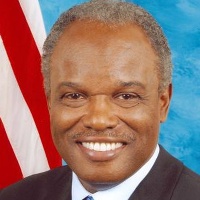
David Scott
Representative
GA
David Scott
Representative
GA
The Bridge to Summer Nutrition Act of 2025 aims to strengthen summer food assistance programs by increasing federal support for state administrative costs. Specifically, it mandates that the USDA reimburse states 90% of their monthly administrative expenses for operating summer electronic benefit transfer (EBT) programs for children. This increased funding also applies to administrative costs for regular SNAP operations.
This act restricts senior government officials and their families from owning or trading specific investments, requiring divestment of existing holdings to restore public trust.
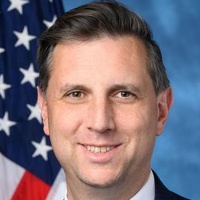
Seth Magaziner
Representative
RI
Seth Magaziner
Representative
RI
The Restore Trust in Government Act establishes strict new federal restrictions on senior government officials and their immediate families regarding the ownership and trading of specific financial investments. Covered individuals must divest existing investments that fall under the law's definition within a set timeframe, with limited exceptions. Violators face significant financial penalties, including a 10% fee on the investment value and disgorgement of any profits earned from prohibited transactions.
This Act shifts control of certain munitions exports from the Commerce Department to the State Department and establishes new strategies and reporting requirements to combat illegal U.S. firearm trafficking to Mexico, Central America, and the Caribbean.
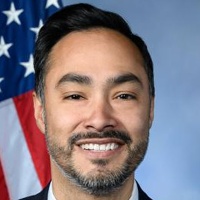
Joaquin Castro
Representative
TX
Joaquin Castro
Representative
TX
The Americas Regional Monitoring of Arms Sales (ARMAS) Act of 2025 seeks to combat illegal firearms trafficking to Mexico, Central America, and the Caribbean. It transfers regulatory control of certain munitions exports from the Department of Commerce back to the Department of State. The bill also mandates comprehensive reporting, strategy development, and increased tracking of U.S. firearm exports to designated "covered countries."
This act removes the White House and its grounds from a specific list of protected properties under existing historic preservation law.
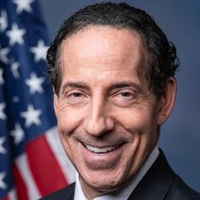
Jamie Raskin
Representative
MD
Jamie Raskin
Representative
MD
The People's White House Historic Preservation Act removes the White House and its grounds from a specific list of properties under current preservation law. This action reclassifies the status of the White House regarding federal historic preservation regulations.
This Act establishes a grant program to fund state, local, and Tribal governments for the complete destruction of firearms.
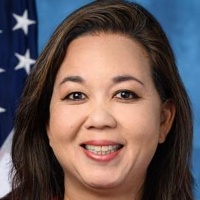
Jill Tokuda
Representative
HI
Jill Tokuda
Representative
HI
The Restoring Trust in Public Safety Act establishes a grant program to fund the complete destruction of firearms by state, local, and Tribal governments. Eligible entities can apply for competitive grants to cover costs associated with destruction equipment, services, and training. Grantees must certify that all firearms and components are fully destroyed and maintain detailed records of the process.
The UPLIFT Act establishes a refundable residential energy expenditure tax credit of up to \$2,400, available only when annual energy price inflation exceeds 2%.
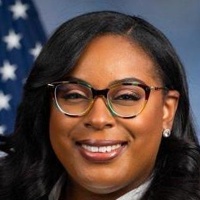
LaMonica McIver
Representative
NJ
LaMonica McIver
Representative
NJ
The UPLIFT Act establishes a new, refundable residential energy tax credit for taxpayers facing significant increases in electricity, natural gas, or propane costs. This credit, capped at \$1,200 or \$2,400 for joint filers, is only available when energy price inflation exceeds 2% year-over-year. The benefit is subject to an income-based phase-out for higher-earning households.
This bill officially recognizes Middle Eastern and North African (MENA) individuals as a racial and ethnic minority group under the Public Health Service Act and mandates a comprehensive study of MENA population health disparities.
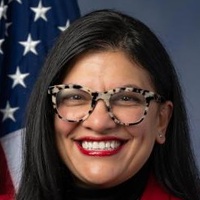
Rashida Tlaib
Representative
MI
Rashida Tlaib
Representative
MI
This bill officially recognizes Middle Eastern and North African (MENA) individuals as a distinct racial and ethnic minority group within federal health law. It directs the Secretary of Health and Human Services to conduct a comprehensive study on the unique health disparities affecting the MENA population. The legislation aims to ensure MENA individuals are included in federal health policies and resource allocation, addressing historical exclusion.
This bill authorizes Congress to award Congressional Gold Medals to the 1980 U.S. Men's Olympic Ice Hockey team for their historic "Miracle on Ice" victory.
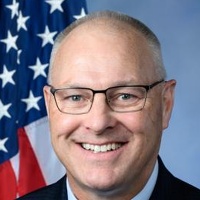
Pete Stauber
Representative
MN
Pete Stauber
Representative
MN
This bill, the Miracle on Ice Congressional Gold Medal Act, officially authorizes Congress to award Congressional Gold Medals to the 1980 U.S. Men's Olympic Ice Hockey Team for their historic "Miracle on Ice" victory. The medals will be struck by the Treasury and permanently displayed at specific national sports museums. The Act also permits the sale of duplicate bronze medals to cover production costs.
This bill officially renames the United States Postal Service facility at 130 North Winton Road in Rochester, New York, as the "Lieutenant James N. Lyons Post Office."
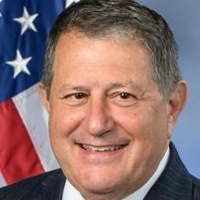
Joseph Morelle
Representative
NY
Joseph Morelle
Representative
NY
This bill officially designates the United States Postal Service facility located at 130 North Winton Road in Rochester, New York, as the "Lieutenant James N. Lyons Post Office." The legislation ensures that all future official references to this location will use the new designated name.
This act nullifies a recent Executive Order regarding federal labor relations and ensures existing collective bargaining agreements remain in effect.
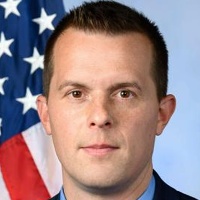
Jared Golden
Representative
ME
Jared Golden
Representative
ME
The Protect America's Workforce Act nullifies a specific Executive Order issued in March 2025 concerning exclusions from federal labor-management relations programs. This legislation ensures that any existing collective bargaining agreements between federal agencies and employee unions remain fully in effect until their stated expiration dates. The Act also prohibits the use of federal funds to implement the overturned Executive Order.
This act generally prohibits submitting animal testing data to federal agencies when non-animal test methods are available, while establishing requirements to limit animal harm.
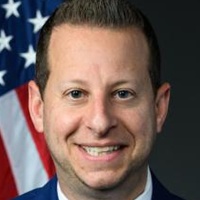
Jared Moskowitz
Representative
FL
Jared Moskowitz
Representative
FL
The Replace Animal Tests Act of 2025 generally prohibits submitting data from animal testing to covered federal agencies if a non-animal testing method is available. This legislation mandates that agencies prioritize non-animal methods, minimize harm when animal testing is unavoidable, and issue annual reports detailing animal use. Covered agencies, including the FDA and EPA, must also update regulations to reflect the acceptability of these modern, non-animal testing alternatives.
This act mandates protective barriers for new fixed-route bus operator workstations purchased with federal funds, unless waived by the relevant labor union.
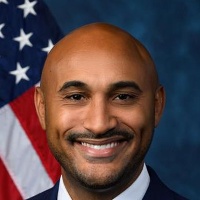
Shomari Figures
Representative
AL
Shomari Figures
Representative
AL
The Bus Operator Safety and Security Act mandates that new fixed-route buses purchased with federal funds, meeting specific size and lifespan criteria, must be equipped with a protective barrier around the operator's workstation. This barrier must fully enclose the area without obstructing the driver's line of sight. This requirement can be waived if the relevant labor union agrees to the waiver for the specific bus purchase.
This act restores access to professional degrees by amending the Higher Education Act to remove specific annual and aggregate loan limits for graduate and professional students.
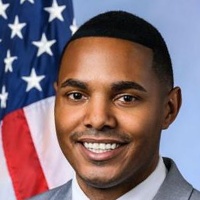
Ritchie Torres
Representative
NY
Ritchie Torres
Representative
NY
The Professional Degree Access Restoration Act amends the Higher Education Act to eliminate specific annual and aggregate loan limits for Federal Direct PLUS Loans made to graduate and professional students. This action removes previous restrictions on the maximum amount graduate students can borrow through these federal loan programs.
This act mandates federal studies on AI's job impact and establishes new grant programs to expand technology education and workforce training.
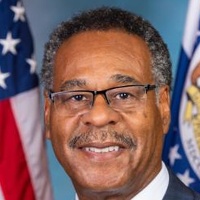
Emanuel Cleaver
Representative
MO
Emanuel Cleaver
Representative
MO
The Workforce of the Future Act of 2025 mandates federal studies on AI's impact on jobs and establishes new grant programs to expand technology education and workforce training. Title I requires comprehensive reports from key departments detailing necessary future skills and policy recommendations. Title II creates federal grants to boost K-12 technology education and fund retraining for workers in AI-affected industries.
This bill commemorates the 50th anniversary of Southeast Asian refugee resettlement and honors the enduring contributions and sacrifices of Southeast Asian Americans to the United States.
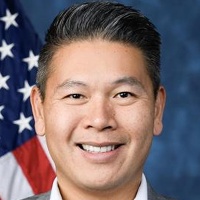
Derek Tran
Representative
CA
Derek Tran
Representative
CA
This bill commemorates the 50th anniversary of Southeast Asian refugee resettlement in the United States, recognizing the profound sacrifices and immense contributions of Southeast Asian Americans. It honors the historical alliance and acknowledges the challenges faced by these communities since their arrival. The legislation celebrates the vibrant cultural and economic impact of over three million Southeast Asian Americans today.
This Act establishes transparency requirements, accountability measures, and specific worker protections for individuals working through digital labor platforms.
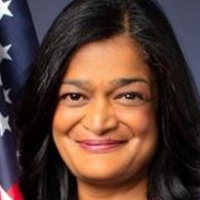
Pramila Jayapal
Representative
WA
Pramila Jayapal
Representative
WA
The Empowering App-Based Workers Act aims to increase transparency and accountability for digital labor platforms that use electronic monitoring and automated systems to manage workers. This bill mandates detailed disclosures regarding data collection, algorithmic decision-making for pay and assignments, and itemized receipts after each job. Furthermore, it establishes strong enforcement mechanisms, including a 25% cap on "take rates" for ride-hail services and prohibits certain pre-dispute arbitration agreements.
This act establishes a grant program to help state, local, territorial, and tribal governments hire, retain, and train prosecutors and support staff.
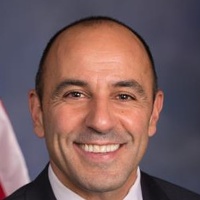
Jimmy Panetta
Representative
CA
Jimmy Panetta
Representative
CA
The Helping Improve Recruitment and Retention Efforts for Prosecutors Act of 2025 establishes a federal grant program to assist state, local, territorial, and tribal governments in hiring, retaining, and training prosecutors and support staff. Administered by the Attorney General, the program will award competitive grants, prioritizing offices in underserved or budget-impacted areas. This initiative is authorized with $10 million annually from 2026 through 2030, requiring a 25% non-federal match unless waived.
This bill establishes a new "family purpose" nonimmigrant visa category allowing relatives of U.S. citizens and LPRs to visit temporarily for up to 90 days annually, subject to financial and insurance requirements.
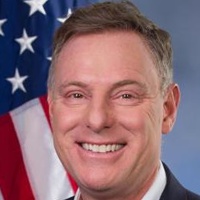
Scott Peters
Representative
CA
Scott Peters
Representative
CA
The Temporary Family Visitation Act establishes a new nonimmigrant visa category specifically for relatives of U.S. citizens and lawful permanent residents to visit the United States for family purposes. This visa limits stays to a maximum of 90 days per calendar year and requires financial support, medical insurance, and a sworn declaration of intent to depart. Individuals admitted under this category are prohibited from changing their status while in the U.S.
The Endometriosis CARE Act establishes a comprehensive program to advance research, improve awareness, analyze access barriers, and study disparities related to endometriosis.
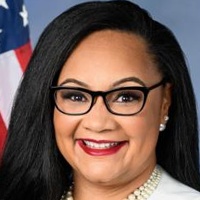
Nikema Williams
Representative
GA
Nikema Williams
Representative
GA
The Endometriosis CARE Act aims to improve the understanding and management of endometriosis through increased research funding and data collection at the NIH. The bill also mandates studies to identify barriers to treatment access and requires the development of public education campaigns and provider information resources. Furthermore, it calls for a comprehensive study on disparities in endometriosis prevalence, detection, and treatment outcomes.
This bill significantly increases civil penalties across various federal labor laws, strengthens enforcement for health plan compliance, establishes penalties for employer unfair labor practices, and treats certain recordkeeping failures as continuing violations.
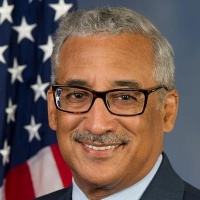
Robert Scott
Representative
VA
Robert Scott
Representative
VA
The Labor Enforcement to Securely Protect Workers (LETS Protect Workers) Act significantly increases civil penalties for violations across major federal labor laws, including child labor, wage and hour, and workplace safety standards. It strengthens enforcement mechanisms for mine safety violations and retaliation against miners, while also establishing new penalties for employer unfair labor practices under the National Labor Relations Act. Furthermore, the bill enhances enforcement for health plan parity and makes certain recordkeeping failures under OSHA and FLSA continuing violations.