This bill establishes a National Strategy for Combating Scams, led by the FBI, to coordinate federal efforts, define scams, and improve prevention and victim recovery.
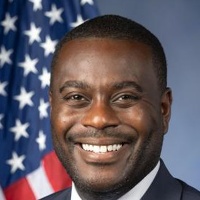
Gabe Amo
Representative
RI-1
This bill establishes the **National Strategy for Combating Scams Act of 2025** to address the massive financial and personal toll of scams, which are increasingly utilizing advanced technology like AI. It mandates the FBI to form a working group with numerous federal agencies to develop a comprehensive, coordinated national strategy. This strategy will define "scam," evaluate risks, improve federal coordination, and outline plans for prevention, victim recovery, and international cooperation.
FBI to Lead New National Strategy Against Scams, Mandates Common Definition for FTC and CFPB
The National Strategy for Combating Scams Act of 2025 is the federal government’s official answer to the scam epidemic that cost consumers over $12 billion last year—a 25% jump from the year before. Simply put, this bill forces the federal agencies that are currently fighting fraud on their own turf to finally coordinate. Within 90 days of enactment, the FBI Director must assemble a massive interagency working group—including the FTC, CFPB, SEC, SSA, and over a dozen others—to develop a comprehensive national strategy within one year. This strategy must be made public and updated every five years, effectively creating a permanent, unified playbook against fraud.
The Real Cost of Uncoordinated Efforts
Congress found that over 141 million people—more than four in ten adults—have lost money or sensitive information to scams. The bill highlights that criminals are now leveraging sophisticated tools like Generative AI to create hyper-realistic voice deepfakes, making it harder than ever to spot a fake call or email. While at least 13 federal agencies are currently involved in anti-scam activities, they largely operate independently. This bill is designed to fix that fragmented approach. For you, the busy consumer, this means that instead of having to figure out whether to report a deepfake scam to the FTC, the FBI, or your bank's regulator, the goal is a system where reporting is coordinated and accessible across the board.
Standardizing the Fight: What Is a ‘Scam’ Anyway?
One of the most practical requirements of this bill is forcing the working group to establish a formal, common definition of “scam.” This might sound like bureaucratic paperwork, but it’s crucial. Right now, different agencies use different terminology, which makes data collection and enforcement messy. The strategy must define “scam” and, critically, the FBI, the FTC, and the CFPB must adopt that exact definition within one year of the strategy’s publication. This means when the FBI talks about an imposter scam, the FTC will be using the exact same language, which should lead to better tracking, faster warnings, and more effective prosecution. Think of it as finally getting everyone on the same page of the policy textbook.
Building the Anti-Fraud Playbook
The strategy isn't just about defining terms; it’s a detailed action plan. It requires the working group to map out who does what, defining the specific roles and responsibilities of each federal agency. It also mandates a plan to increase coordination between the government and the private sector—meaning tech companies and financial institutions. For example, the strategy must formulate ways to enhance data sharing and create rapid response protocols to issue timely public warnings. If a new type of Venmo scam is popping up, the goal is for the government to be able to coordinate with the payment platform and get a warning out in hours, not weeks.
Helping Victims Recover
The bill also focuses on the aftermath of a scam. It requires the working group to evaluate ways for the federal government to partner with law enforcement, financial institutions, and tech companies to support victim recovery. This is a critical provision for people who lose their savings. Beyond stopping the bad guys, the strategy needs to figure out how to make the process of getting your money back less of a nightmare. Furthermore, because many scams originate overseas, the strategy includes a mandate to enhance coordination with foreign countries to combat these cross-border schemes. This acknowledges the reality that your scammer is probably not operating from the next state over.