Legislative Activity
Track Brian's sponsored bills, co-sponsored legislation, and voting record
This bill reauthorizes the regional innovation program through 2030, expanding its focus to improve capital access for innovation-based businesses and encouraging participation from distressed communities.
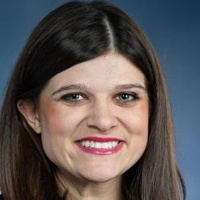
Haley Stevens
Representative
MI
Haley Stevens
Representative
MI
The Build to Scale Reauthorization Act of 2026 updates and extends the regional innovation program through fiscal year 2030. This legislation expands the program's focus to specifically improve capital access for innovation-based businesses in designated regions. It also redefines key organizational roles and directs outreach to ensure participation from entities in rural and economically distressed communities. The Act authorizes $50 million annually for these regional innovation initiatives.
This Act renames and expands the IDEAS Program to significantly increase access to quality, diverse study abroad opportunities for all U.S. students, especially those from underrepresented backgrounds.
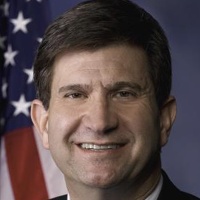
Bradley Schneider
Representative
IL
Bradley Schneider
Representative
IL
The Senator Paul Simon Study Abroad Program Act of 2026 aims to significantly increase the number of U.S. students participating in study abroad programs, focusing on greater diversity and access for underrepresented groups. It renames and expands the existing IDEAS Program, directing the Secretary of State to award competitive grants to colleges and universities. The ultimate goal is to have one million students studying abroad annually within ten years, with increased participation in developing nations.
The Moms Matter Act establishes grant programs to improve maternal mental health equity and expand the diverse workforce providing maternal mental and behavioral health care.
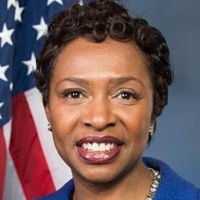
Yvette Clarke
Representative
NY
Yvette Clarke
Representative
NY
The Moms Matter Act establishes two grant programs to improve maternal mental health. The first program funds initiatives to expand mental health and substance use disorder services for pregnant and postpartum individuals, prioritizing high-risk populations. The second program provides grants to grow and diversify the workforce of mental and behavioral health providers specializing in maternal health.
This bill mandates improved financial literacy training, clearer notification of Servicemembers Civil Relief Act (SCRA) benefits upon entry or mobilization, and requires creditors to retroactively apply interest rate caps to all pre-service debts starting from the date active duty began.
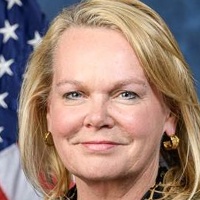
April McClain Delaney
Representative
MD
April McClain Delaney
Representative
MD
The Improving SCRA Benefit Utilization Act aims to strengthen consumer protections for service members under the Servicemembers Civil Relief Act (SCRA). This bill mandates improved financial literacy training focusing on SCRA interest rate caps and requires specific notifications of these benefits upon entry or mobilization to active duty. Additionally, it ensures financial institutions must retroactively apply maximum interest rates to pre-service debts from the start of active duty and expand those protections to all debts held by the creditor.
This bill establishes a national resource center to train faith communities and service providers on preventing and responding to domestic violence, sexual assault, and stalking, while also creating model state legislation to address religious divorce denial.
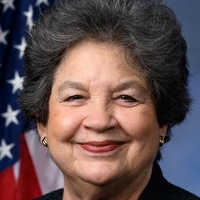
Lois Frankel
Representative
FL
Lois Frankel
Representative
FL
The Supporting Survivors from Faith-based Communities Act establishes a national resource center to improve how faith communities and service providers respond to victims of domestic violence, sexual assault, and stalking who have a faith or spiritual background. This center will provide education and training to strengthen prevention efforts and ensure victim safety and autonomy remain the highest priority. The bill also directs the Attorney General to create model state legislation addressing religious divorce denial.
The Lainie Jones Comprehensive Cancer Survivorship Act of 2026 establishes a framework for improving cancer survivorship care through enhanced planning, payment models, employment assistance, grant programs, and expanded Medicaid coverage for transitions and fertility services.
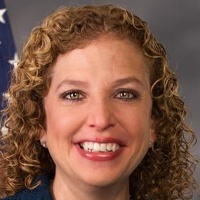
Debbie Wasserman Schultz
Representative
FL
Debbie Wasserman Schultz
Representative
FL
The Lainie Jones Comprehensive Cancer Survivorship Act of 2026 aims to improve the full spectrum of care for cancer survivors, from diagnosis through the remainder of life. The bill establishes an Office of Cancer Survivorship, mandates Medicare coverage for care planning, and creates programs to support employment and comprehensive survivorship services. It also requires Medicaid to cover essential transition services for childhood cancer survivors and mandates fertility preservation coverage for all cancer patients.
This bill elevates the leadership of the Indian Health Service by replacing the Director position with an Assistant Secretary for Indian Health who reports directly to the Secretary of Health and Human Services.
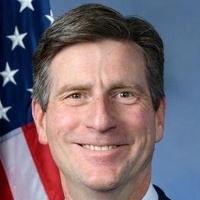
Greg Stanton
Representative
AZ
Greg Stanton
Representative
AZ
The Stronger Engagement for Indian Health Needs Act of 2025 elevates the leadership of the Indian Health Service by replacing the position of Director with an Assistant Secretary for Indian Health. This change ensures the agency head reports directly to the Secretary of Health and Human Services, streamlining administration and increasing the position's federal authority and pay classification.
This Act establishes a grant program administered by the COPS Director to fund local, state, and tribal task forces in locating, investigating, and disrupting illegal opioid distribution.
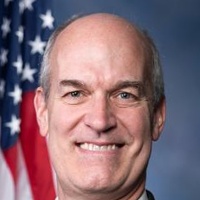
Rick Larsen
Representative
WA
Rick Larsen
Representative
WA
The End Fentanyl Trafficking with Local Task Forces Act of 2026 establishes a new grant program to fund local, state, and tribal entities in their efforts to locate, investigate, and disrupt illegal opioid distribution. The Attorney General, through the COPS Director, will award grants for hiring, training, equipment, and establishing or expanding multi-jurisdictional task forces. The legislation prioritizes support for Tribal law enforcement and task forces, authorizing $70 million annually from 2027 through 2031.
This bill designates May 2025 as Jewish American Heritage Month while calling for efforts to counter antisemitism and educate the public on the community's vital contributions.
Debbie Wasserman Schultz
Representative
FL
Debbie Wasserman Schultz
Representative
FL
This resolution designates May 2025 as Jewish American Heritage Month to recognize the significant contributions of Jewish Americans to the nation. It also addresses the concerning rise in antisemitism across the country. The bill calls on leaders to actively counter hate, educate the public on Jewish heritage, and ensure the safety and dignity of Jewish Americans.
This resolution designates specific dates to honor law enforcement officers killed in the line of duty and expresses support for all officers.
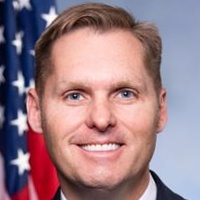
Michael Guest
Representative
MS
Michael Guest
Representative
MS
This resolution officially designates May 15, 2026, as Peace Officers Memorial Day and the week of May 10-16, 2026, as National Police Week. It honors the service and sacrifice of law enforcement officers killed in the line of duty, specifically recognizing 363 officers lost in 2025. The bill expresses unwavering support for law enforcement and acknowledges the need for proper resources to ensure officer safety.
The YALI Act of 2025 establishes and expands the Young African Leaders Initiative to invest in sub-Saharan African leaders through training, networking, and fellowships like the Mandela Washington Fellowship, while also setting up regional centers and requiring regular progress reports.
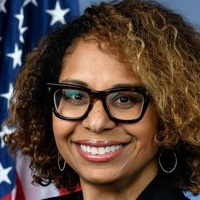
Sydney Kamlager-Dove
Representative
CA
Sydney Kamlager-Dove
Representative
CA
The YALI Act of 2025 formally establishes and expands the Young African Leaders Initiative to invest in emerging African leaders across sub-Saharan Africa. This legislation mandates the creation of professional development, training, and networking opportunities focused on business, civic engagement, and public administration. The bill specifically supports the Mandela Washington Fellowship and requires the establishment of regional leadership centers and online networks to foster ongoing engagement and U.S.-Africa ties.
This resolution supports designating May as Lyme and Tick-borne Disease Awareness Month to recognize the growing threat and call for stronger federal action to combat these illnesses.
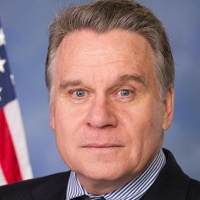
Christopher Smith
Representative
NJ
Christopher Smith
Representative
NJ
This resolution officially supports designating the month of May as "Lyme and Tick-borne Disease Awareness Month." It recognizes the significant and growing threat of Lyme disease across the United States. The bill commits to continuing efforts to raise public awareness and improve the federal response to these illnesses.
This act establishes a new federal income tax credit of up to $2,000 per qualifying child born during the tax year, with options for advance payment.
David Valadao
Representative
CA
David Valadao
Representative
CA
The Supporting Newborn Parents Act of 2026 establishes a new federal income tax credit of up to $2,000 for each qualifying child born during the tax year. This credit includes an option for parents to receive an advance payment shortly after the child's birth. The bill also streamlines the application process by collecting necessary election information directly through the Social Security application for a newborn's number.
This bill affirms the strong U.S.-South Korea alliance, emphasizing its importance for security, economic growth, and shared values, while also recognizing the contributions of Korean Americans. It supports stronger ties and celebrates Korean culture.
Thomas Suozzi
Representative
NY
Thomas Suozzi
Representative
NY
This bill reaffirms the strong alliance between the United States and the Republic of Korea, emphasizing its importance for security, economic growth, and shared values. It recognizes the deep economic ties, the contributions of Korean Americans, and continued commitment to the Mutual Defense Treaty. The bill also supports strengthening security, economic, and cultural bonds between the two nations, and celebrates Korean Culture-Kimchi Day.
This bill establishes the Combating Organized Retail Crime Act of 2025 to enhance federal prosecution tools against organized retail and supply chain crime and create a DHS-led coordination center to align law enforcement efforts.
David Joyce
Representative
OH
David Joyce
Representative
OH
The Combating Organized Retail Crime Act of 2025 aims to combat sophisticated, cross-jurisdictional organized retail and supply chain theft. It achieves this by strengthening federal laws regarding money laundering and stolen property offenses, including lowering monetary thresholds for prosecution. Furthermore, the bill establishes a dedicated Center within the Department of Homeland Security to coordinate federal, state, and local enforcement efforts against these criminal organizations.
This bill reauthorizes the COPS ON THE BEAT grant program through fiscal year 2031 and establishes the Office of Community Oriented Policing Services as a distinct office within the Department of Justice.
Josh Harder
Representative
CA
Josh Harder
Representative
CA
The COPS Reauthorization Act of 2026 updates and extends the funding for the COPS ON THE BEAT grant program through fiscal year 2031. It also formally establishes the Office of Community Oriented Policing Services (COPS Office) as a distinct entity within the Department of Justice, headed by a Presidentially-appointed Director. This legislation ensures continued support for community policing initiatives.
This bill mandates the Department of Homeland Security to develop and implement mandatory training for its personnel on recognizing and accepting Native American tribal documents as proof of U.S. citizenship.
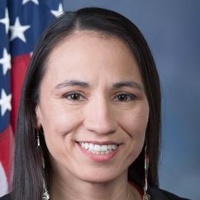
Sharice Davids
Representative
KS
Sharice Davids
Representative
KS
The Respect Tribal IDs Act mandates that the Department of Homeland Security (DHS) develop and implement comprehensive training for its personnel on recognizing and accepting Native American tribal documents as proof of U.S. citizenship. This training will cover proper interaction protocols, document identification, and the U.S. government's trust responsibility to tribes. All immigration enforcement personnel must complete this mandatory training annually and upon regional assignment.
This Act grants Temporary Protected Status and work authorization to eligible Iranian nationals lawfully present in the U.S. whose immigration applications were halted by the December 2025 adjudication pause.
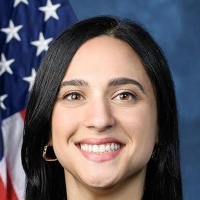
Yassamin Ansari
Representative
AZ
Yassamin Ansari
Representative
AZ
The Iranian Temporary Immigration Relief Act provides temporary protected status and work authorization specifically to Iranian nationals lawfully present in the U.S. whose immigration applications were stalled by a USCIS adjudication pause beginning in late 2025. This designation shields eligible individuals from accruing unlawful presence and protects them from removal while their underlying applications remain unprocessed. The Act mandates swift processing of these temporary status applications and requires regular reporting on the resolution of the paused cases.
This act formally defines nursing as a professional degree, alongside other established professions, within federal education law.
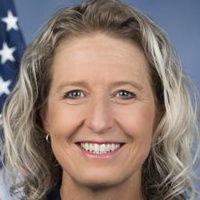
Jennifer Kiggans
Representative
VA
Jennifer Kiggans
Representative
VA
The Nursing is a Professional Degree Act officially designates nursing as a professional degree under federal law. This bill amends the Higher Education Act to provide a clear statutory definition for "professional degree," explicitly including nursing alongside other established professions like medicine and law. This change ensures consistency in recognizing the advanced academic requirements necessary to practice nursing.
This bill expresses support for designating the week of May 3 through May 9, 2026, as National Small Business Week to celebrate the vital contributions of small businesses and entrepreneurs across the United States.
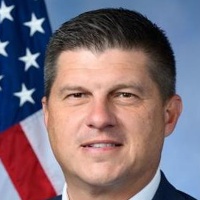
Brad Finstad
Representative
MN
Brad Finstad
Representative
MN
This bill expresses support for designating the week of May 3 through May 9, 2026, as "National Small Business Week." It aims to celebrate the vital contributions of the nation's millions of small businesses and entrepreneurs to the U.S. economy. The resolution honors the hard work and achievements of small business owners and their employees across every community.