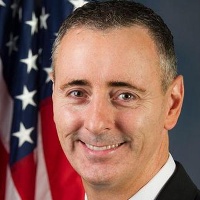
Legislative Activity
Track Brian's sponsored bills, co-sponsored legislation, and voting record
This act streamlines the application and benefit processing for farmers selling directly to consumers under major federal nutrition programs while ensuring access to modern mobile payment technology.
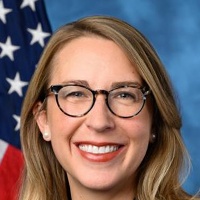
Hillary Scholten
Representative
MI
Hillary Scholten
Representative
MI
The Promoting Access to Local Agriculture Act of 2026 aims to make it easier for local farmers and ranchers to accept benefits from major federal nutrition programs like SNAP and WIC. It mandates the creation of a single, streamlined application process for farmers to become authorized vendors across these programs. Additionally, the bill requires the provision of modern, mobile payment technology to support direct sales at farmers markets.
This bill expands eligibility for the Vaccines for Children program, mandates minimum payment rates for vaccine administration under Medicaid and CHIP, and increases the federal matching rate for states that conduct targeted vaccination outreach.
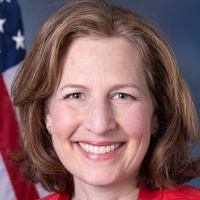
Kim Schrier
Representative
WA
Kim Schrier
Representative
WA
The Strengthening the Vaccines for Children Program Act of 2026 aims to expand access to childhood immunizations by broadening eligibility for the VFC program and setting minimum payment rates for vaccine administration under Medicaid and CHIP. The bill mandates that Medicaid and CHIP programs pay providers at least 100% of the Medicare Part B rate for vaccine administration and counseling services through 2028. Additionally, it increases the federal Medicaid matching rate contingent upon states implementing culturally competent vaccination outreach efforts.
This Act establishes a program for SCORE volunteers to teach entrepreneurship to students in disadvantaged communities through community learning centers.
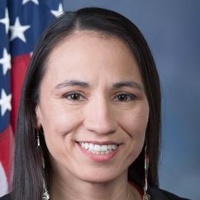
Sharice Davids
Representative
KS
Sharice Davids
Representative
KS
The 21st Century Entrepreneurship Act aims to boost economic growth by increasing entrepreneurship rates, particularly in disadvantaged communities. This is achieved by requiring the Small Business Administration (SBA) to develop an entrepreneurship curriculum for SCORE volunteers to teach at community learning centers. The bill mandates collaboration between the SBA and the Department of Education to implement this program and includes regular reporting to Congress on its progress and impact.
The CLEAN Act establishes new requirements for legislative transparency and ethics by permanently enacting and modifying House Resolution 895 concerning the Office of Congressional Ethics.

Chris Pappas
Representative
NH
Chris Pappas
Representative
NH
The CLEAN Act establishes new requirements for legislative transparency and ethical conduct by making key provisions of House Resolution 895 permanent law. This legislation modifies the operation of the Office of Congressional Ethics, including setting term limits for board members and ensuring timely vacancy appointments. Furthermore, it guarantees constitutional protections and the right to counsel for individuals undergoing ethics reviews.
This bill recognizes the vital contributions of linemen and designates April 18, 2026, as National Lineman Appreciation Day.
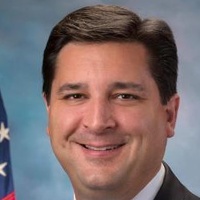
David Rouzer
Representative
NC
David Rouzer
Representative
NC
This bill officially designates April 18, 2026, as "National Lineman Appreciation Day." It recognizes the vital contributions of linemen in maintaining critical energy infrastructure and serving as essential first responders during emergencies. The resolution expresses strong support for these brave men and women who work under dangerous conditions to keep communities safe and powered.
This Act prohibits most pet restrictions, fees, and breed bans in federally assisted housing while allowing for reasonable pet rules.
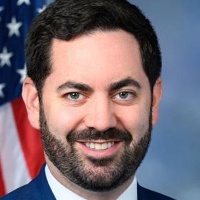
Michael Lawler
Representative
NY
Michael Lawler
Representative
NY
The Pets Belong with Families Act aims to ensure that pets can remain with their families by removing unnecessary barriers in federally assisted housing. This legislation prohibits most pet bans, fees, and breed restrictions in these housing situations. Housing providers can still enforce reasonable rules regarding pet behavior and safety, but cannot charge deposits beyond a specified limit or deny pets based on breed.
This bill designates April as Distracted Driving Awareness Month to promote efforts to prevent crashes, deaths, and injuries caused by distracted driving.
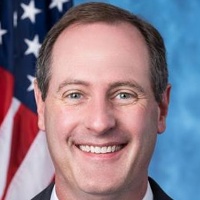
Tracey Mann
Representative
KS
Tracey Mann
Representative
KS
This bill officially designates April as National Distracted Driving Awareness Month to combat the rising number of tragic crashes caused by distracted driving. It highlights the severe dangers of visual, manual, and cognitive distractions, such as texting while driving. The resolution supports ongoing public education and enforcement efforts aimed at encouraging drivers to put away their phones and focus solely on the road.
This bill designates April as Cancer Prevention and Early Detection Month to renew the national commitment to reducing cancer burden through increased awareness, access to screening, and preventive action.

Max Miller
Representative
OH
Max Miller
Representative
OH
This bill designates April as Cancer Prevention and Early Detection Month to renew the national commitment to reducing the burden of cancer. It aims to address gaps in screening access and promote preventive actions across all populations. The legislation encourages federal investment in early detection programs and supports advancements in lifesaving cancer innovation.
This bill reauthorizes the Breast Cancer Research Stamp program, extending the authority to issue the special postage stamp through 2037.
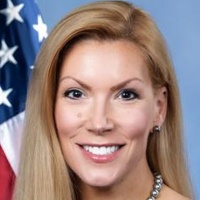
Beth Van Duyne
Representative
TX
Beth Van Duyne
Representative
TX
This bill reauthorizes the popular Breast Cancer Research Stamp program, extending the authority to issue the special postage stamp until 2037. This ensures continued funding for breast cancer research through stamp sales.
The Communications, Video, and Technology Accessibility Act of 2026 comprehensively expands and modernizes accessibility requirements for video programming, playback devices, and communication services to ensure equal access for Americans with disabilities.

Debbie Dingell
Representative
MI
Debbie Dingell
Representative
MI
The Communications, Video, and Technology Accessibility Act of 2026 significantly expands federal accessibility mandates across video programming, communication services, and customer support. This comprehensive bill requires closed captioning and audio description for online content, improves accessibility features on video playback devices, and mandates real-time sign language support for emergency services and customer assistance. Ultimately, the legislation aims to ensure that Americans with disabilities have equal access to modern communication and media technologies.
The Tech to Save Moms Act establishes grant programs and mandates studies to leverage technology, telehealth, and collaborative learning models to reduce maternal mortality and severe maternal morbidity, especially among minority groups.
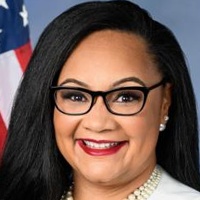
Nikema Williams
Representative
GA
Nikema Williams
Representative
GA
The Tech to Save Moms Act establishes grant programs to improve maternal health outcomes by leveraging technology for better identification, monitoring, and response to pregnancy-related risks. It directs the Secretary of HHS to fund projects using remote monitoring, telehealth, and digital tools to reduce maternal mortality and severe morbidity, with a focus on underserved populations. The legislation also mandates studies and reports on integrating technology into maternity care and improving telehealth models for Medicaid recipients.
This act establishes a federal crime with severe penalties for knowingly misrepresenting the source of DNA used in assisted reproductive technology or artificial insemination.
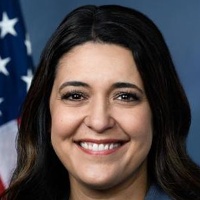
Stephanie Bice
Representative
OK
Stephanie Bice
Representative
OK
The Protecting Families from Fertility Fraud Act of 2026 establishes a new federal crime for knowingly misrepresenting the source of DNA used in assisted reproductive technology (ART) or artificial insemination. This offense, which applies when interstate or foreign commerce is involved, carries penalties of a fine and up to 10 years in prison. The bill also extends the statute of limitations for prosecution once the perpetrator is identified.
The CERTAIN Act establishes strict timelines for federal project authorizations, limits agency interference with existing permits, and mandates process coordination and capacity assessments to expedite infrastructure development.

Scott Peters
Representative
CA
Scott Peters
Representative
CA
The CERTAIN Act aims to accelerate infrastructure development by establishing strict timelines and processes for federal project authorizations and environmental reviews. It limits when agencies can revoke existing permits and mandates coordination across multiple agencies to ensure timely decisions. The bill also addresses staffing shortages within federal agencies responsible for these reviews to improve permitting capacity.
This act requires operating system providers to implement age verification for users under 18, mandating parental consent, and grants the FTC enforcement authority.
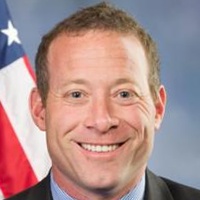
Josh Gottheimer
Representative
NJ
Josh Gottheimer
Representative
NJ
The Parents Decide Act mandates that operating system providers implement age verification for all users, requiring parental consent for anyone under 18. This law tasks the Federal Trade Commission (FTC) with creating regulations to ensure secure data handling and parental control over access for minors. The goal is to give parents oversight regarding what minors can access on devices.
The Parental Bereavement Act of 2026 amends the Family and Medical Leave Act to provide employees with job-protected, unpaid leave following the death of a son or daughter.
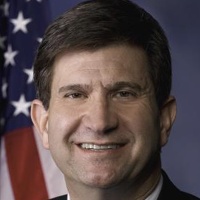
Bradley Schneider
Representative
IL
Bradley Schneider
Representative
IL
The Parental Bereavement Act of 2026 (also known as the Sarah Grace-Farley-Kluger-Barklage Act) amends the Family and Medical Leave Act to provide employees with job-protected, unpaid leave following the death of a son or daughter. This legislation allows eligible employees to take up to 12 weeks of leave within a year of the loss, with the option to substitute accrued paid leave. These protections extend to both private-sector and federal civil service employees.
The Moldova Support Act of 2026 strengthens the U.S.-Moldova strategic partnership by fostering economic and energy cooperation, supporting Moldova’s European Union integration, and maintaining critical sanctions against malign actors.
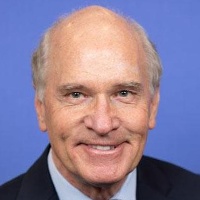
William Keating
Representative
MA
William Keating
Representative
MA
The Moldova Support Act of 2026 strengthens the U.S.-Moldova partnership by establishing an annual strategic dialogue to advance democratic, economic, and energy security goals. The bill mandates a comprehensive four-year strategy to support Moldova’s European Union accession and effectively counters malign foreign influence. Additionally, it imposes strict congressional oversight requirements for the potential lifting of existing sanctions against individuals and entities undermining Moldovan stability.
This bill expands federal rural development grants to include funding for cybersecurity support, digital literacy, and workforce training for broadband infrastructure.
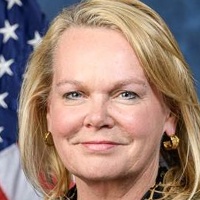
April McClain Delaney
Representative
MD
April McClain Delaney
Representative
MD
The Expanding Access to Distance Learning and Telemedicine Act updates existing rural development programs to better support modern connectivity needs. The bill broadens federal grant eligibility to include cybersecurity support, digital literacy, and workforce development training. These enhancements aim to strengthen rural infrastructure and prepare the local workforce for the demands of the digital economy.
This act increases the minimum broadband speed requirements for projects funded under the Community Connect Grant Program to 25 Mbps download and 3 Mbps upload.
April McClain Delaney
Representative
MD
April McClain Delaney
Representative
MD
The Quality Broadband for Connected Communities Act modernizes internet standards by increasing the minimum speed requirements for projects funded under the Community Connect Grant Program. The bill raises the mandatory download speed to 25 Mbps and the upload speed to 3 Mbps to ensure better connectivity for rural areas. These updated standards will take effect six months after the legislation is enacted.
The Rural Utilities Service Modernization Act improves the efficiency and accessibility of rural infrastructure projects by establishing a centralized digital tracking platform, providing predevelopment planning grants, and streamlining the grant application process.
April McClain Delaney
Representative
MD
April McClain Delaney
Representative
MD
The Rural Utilities Service Modernization Act aims to improve the efficiency and transparency of federal assistance for rural infrastructure projects. The bill mandates the creation of a centralized online platform for project tracking, establishes new grants for early-stage project planning, and requires the implementation of predictable, standardized timelines for grant applications. Additionally, it directs the USDA to modernize its administrative processes and report to Congress on strategies to further expedite service delivery to rural communities.
This bill amends the Rural Electrification Act of 1936 to require the Secretary of Agriculture to factor broadband affordability into determinations of unserved households and service territories.
April McClain Delaney
Representative
MD
April McClain Delaney
Representative
MD
The Prioritizing Rural Broadband Affordability Act amends the Rural Electrification Act of 1936 to ensure that broadband affordability is a key factor in federal infrastructure determinations. By requiring the Secretary of Agriculture to consider cost when defining "unserved" households and territories, the bill aims to improve access to reasonably priced internet in rural communities.