The Fire Department Repayment Act of 2025 mandates standardized, timely payment procedures for federal fire suppression cost-share agreements to ensure local fire departments are reimbursed promptly.
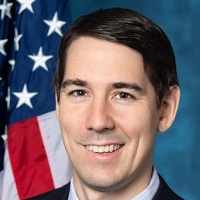
Josh Harder
Representative
CA-9
The Fire Department Repayment Act of 2025 mandates that federal agencies establish standardized, timely payment procedures for fire suppression cost-share agreements. This legislation ensures that local fire departments are reimbursed promptly for their services by requiring federal agencies to align all existing and future agreements with these new, consistent timelines.
Fire Department Repayment Act of 2025 Mandates Federal Reimbursement Timelines for Local Firefighters Within One Year.
When a massive wildfire breaks out, we don’t care about jurisdictional boundaries; we just want the fire out. Local fire departments often jump in to help federal agencies like the Forest Service or the Department of Defense, but the paperwork trail that follows can be a nightmare. The Fire Department Repayment Act of 2025 aims to fix this by requiring the Secretaries of Agriculture, Interior, Homeland Security, and Defense to establish standardized operating procedures and clear payment timelines for fire suppression cost-share agreements. Within one year of enactment, all existing federal agreements must be updated to ensure that when a local crew sends an invoice, the federal government has a clear, predictable schedule to pay them back.
Balancing the Ledger
For a small-town fire district, sending a brush truck and four firefighters to help on federal land isn't just a neighborly gesture—it’s a massive hit to their operating budget. Under current systems, local departments can sometimes wait an eternity for reimbursement while wading through bureaucratic red tape. This bill forces federal agencies to align their payment procedures with existing cooperative fire protection agreements (Section 2). Think of it like a contractor who finally gets a guaranteed 'net-30' payment clause in their contract. By mandating that federal entities reimburse local departments once proper invoices are submitted, the bill aims to prevent local taxpayers from effectively subsidizing federal land management through delayed payments.
The One-Year Clock
The legislation doesn't just suggest being faster; it sets a specific expectation. Congress included a 'Sense of Congress' provision stating that reimbursements should happen as soon as possible, and absolutely no later than one year after the fire is suppressed. For a fire chief trying to manage a budget for new gear or vehicle maintenance, knowing that a six-figure reimbursement check won't be stuck in a federal 'pending' folder for three years is a game changer. It ensures that the people who protect our homes and forests have the cash flow they need to stay ready for the next emergency, rather than being penalized for their responsiveness.