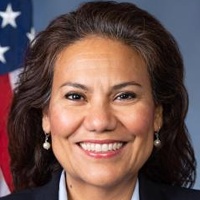
Legislative Activity
Track Veronica's sponsored bills, co-sponsored legislation, and voting record
This resolution urges the President to order U.S. flags flown at half-staff to honor the life and legacy of civil rights leader Reverend Jesse Jackson.
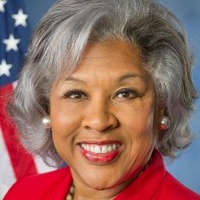
Joyce Beatty
Representative
OH
Joyce Beatty
Representative
OH
This resolution formally honors the life and enduring legacy of civil rights leader Reverend Jesse Louis Burns Jackson, Sr. It recognizes his significant contributions to the Civil Rights Movement, including his work with Dr. Martin Luther King, Jr. and his founding of Operation PUSH. The bill specifically urges the President to order that the U.S. flag be flown at half-staff in his memory.
The PrEP Access and Coverage Act of 2026 mandates comprehensive, cost-free insurance coverage for HIV prevention services across public and private health plans while prohibiting discriminatory insurance practices and funding national education and outreach programs.
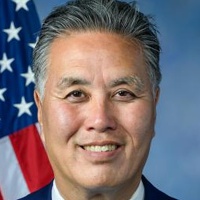
Mark Takano
Representative
CA
Mark Takano
Representative
CA
The PrEP Access and Coverage Act of 2026 mandates comprehensive, cost-free insurance coverage for HIV prevention services (PrEP and PEP) across private health plans, Medicare, Medicaid, TRICARE, and veteran health programs. The bill prohibits insurers from denying coverage or increasing premiums based on the use of HIV prevention medication and establishes robust patient confidentiality protections. Additionally, it authorizes national public health education campaigns and provides grant funding to expand access to prevention services for uninsured and underinsured populations.
The Data Center Community Impact Act establishes a federal grant fund to support infrastructure and community development in areas affected by data centers while mandating a comprehensive study on their environmental and socioeconomic impacts.
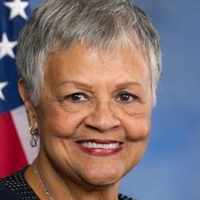
Bonnie Watson Coleman
Representative
NJ
Bonnie Watson Coleman
Representative
NJ
The Data Center Community Impact Act establishes a federal fund to provide grants to state, local, and tribal governments for infrastructure, housing, and environmental projects in communities affected by data center operations. The bill prioritizes support for low-income communities and communities of color, which are often disproportionately impacted by the energy and water demands of these facilities. Additionally, the Act mandates a comprehensive federal study to assess the long-term environmental, economic, and public health effects of data centers on these vulnerable populations.
This resolution honors the life, legacy, and enduring commitment to civil rights and equality of Reverend Jesse Louis Jackson, Sr.
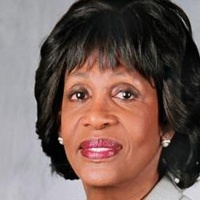
Maxine Waters
Representative
CA
Maxine Waters
Representative
CA
This resolution honors the life, leadership, and enduring legacy of Reverend Jesse Louis Jackson, Sr. It recognizes his pivotal role as a civil rights leader, his groundbreaking political campaigns, and his global advocacy for human rights and equality. The measure encourages all Americans to continue his work by moving forward with hope rather than fear and division.
This bill establishes a federal grant program and a national technical assistance center to help high-need school districts hire and retain school social workers to improve student access to mental health and support services.
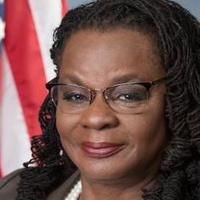
Gwen Moore
Representative
WI
Gwen Moore
Representative
WI
The School Social Workers Improving Student Success Act establishes a grant program to help high-need school districts hire and retain more social workers, aiming for a recommended ratio of one social worker for every 250 students. Additionally, the bill creates a National Technical Assistance Center to provide training, resources, and workforce development strategies to support school-based mental health services nationwide.
This bill strengthens democracy by banning foreign spending in U.S. elections, increasing transparency for "dark money" in politics, and mandating clear disclosure of funders in political advertising.
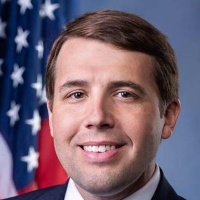
Chris Pappas
Representative
NH
Chris Pappas
Representative
NH
The Democracy Is Strengthened by Casting Light On Spending in Elections Act of 2026 aims to increase transparency and security in U.S. elections. It closes loopholes to ban foreign national spending in elections, mandates disclosure for "dark money" political spending, and requires clear funding disclosures on political ads. The bill also centralizes legal challenges to campaign finance laws in Washington, D.C., for faster resolution.
This bill mandates standardized wellness check procedures, commander oversight, and specialized training to ensure the health and accountability of Armed Forces members following significant injury or illness.
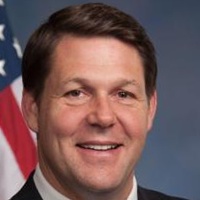
Jodey Arrington
Representative
TX
Jodey Arrington
Representative
TX
This bill mandates new Department of Defense protocols for conducting wellness checks on service members following significant injuries, illnesses, or sick calls. It requires unit commanders to implement standardized accountability procedures, including in-person follow-ups when electronic contact fails, and establishes mandatory training to ensure leadership prioritizes the health and welfare of their personnel.
The Connect the Grid Act establishes a national transmission planning framework, expands federal authority over transmission permitting, brings ERCOT under FERC jurisdiction, and mandates reliability upgrades between regional grids.
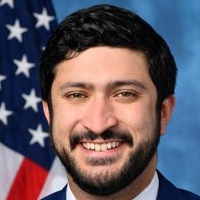
Gregorio Casar
Representative
TX
Gregorio Casar
Representative
TX
The Connect the Grid Act aims to modernize and expand the national electric transmission system through comprehensive planning, federal permitting authority for critical projects, and enhanced interregional coordination. It specifically brings the Texas grid (ERCOT) under greater federal oversight and mandates new reliability standards for interconnections with neighboring regions. The bill also increases funding for transmission infrastructure and promotes the use of domestic materials and labor standards.
This bill amends the Defense Community Infrastructure Program to grant Indian tribes eligibility for federal infrastructure grants and technical assistance from the Department of Defense.
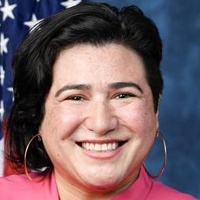
Emily Randall
Representative
WA
Emily Randall
Representative
WA
The Defense Community Infrastructure Program Tribal Eligibility Act of 2026 amends existing law to formally include Tribal governments as eligible entities for the Department of Defense’s infrastructure grant program. This legislation ensures that Indian tribes can access both financial and technical assistance to support critical project planning and development within their communities.
The Ceasefire Compliance Act of 2026 mandates that U.S. defense transfers to Israel be conditioned on verified compliance with ceasefire agreements, humanitarian aid access, and the protection of Palestinian civilians in Gaza and the West Bank.
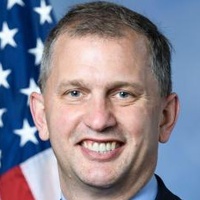
Sean Casten
Representative
IL
Sean Casten
Representative
IL
The Ceasefire Compliance Act of 2026 establishes U.S. policy to uphold the October 2025 ceasefire and peace plan in Gaza while prohibiting the transfer of U.S. defense articles to Israel for use in Gaza or the West Bank unless specific humanitarian and diplomatic conditions are met. The bill mandates regular reporting to Congress to certify Israel's compliance with these requirements and establishes an end-use monitoring group to track the deployment of U.S.-provided weapons. While restricting offensive arms transfers, the Act preserves U.S. support for Israeli missile defense systems and ongoing humanitarian aid to Gaza.
This bill prohibits immigration officers from interfering with federal elections and restricts immigration enforcement operations in the weeks leading up to an election, with limited exceptions.
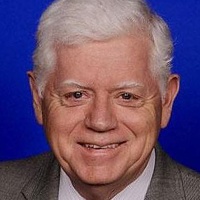
John Larson
Representative
CT
John Larson
Representative
CT
This bill, the Stop ICE Election Militarization Act, prohibits immigration officers from interfering with federal elections, such as intimidating voters or serving as election officials. It also restricts immigration enforcement and removal operations in the four weeks leading up to a federal election, except in cases involving specific criminal probable cause or to prevent imminent harm.
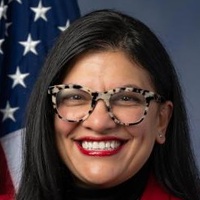
The Head Start for America’s Children Act updates and expands the Head Start program by increasing funding, enhancing staff compensation and mental health support, and improving services for children with disabilities, English learners, and Native American communities.
Rashida Tlaib
Representative
MI
Rashida Tlaib
Representative
MI
The "Head Start for America’s Children Act" updates and expands the federal Head Start program to better support the developmental, mental health, and educational needs of infants, toddlers, and children. The bill increases funding for core operations and specialized initiatives, establishes new requirements for staff compensation and professional development, and introduces pilot programs to improve access in high-poverty areas and on college campuses. Additionally, it strengthens support for Native American and migrant/seasonal programs, enhances services for children with disabilities, and mandates new standards to prevent the use of seclusion and restraint.
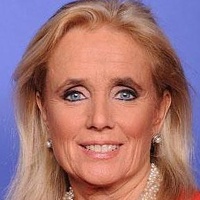
This bill establishes a tax credit for individuals caring for qualifying older relatives at home and creates a grant program for constructing multigenerational housing.
Debbie Dingell
Representative
MI
Debbie Dingell
Representative
MI
This bill establishes two key provisions to support family caregiving and housing. It creates a new, refundable tax credit for individuals who provide substantial at-home care for qualifying older relatives. Additionally, the legislation authorizes a grant program to fund the construction or renovation of housing specifically designed for multigenerational living arrangements.
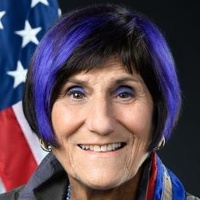
The Healthy Families Act establishes a national standard requiring most employers to provide employees with earned paid sick leave for personal or family health needs and related safety issues.
Rosa DeLauro
Representative
CT
Rosa DeLauro
Representative
CT
The Healthy Families Act establishes a national standard requiring most employers to provide employees with earned paid sick leave. Employees will accrue a minimum of one hour of paid time for every 30 hours worked, usable for personal or family health needs, domestic violence, sexual assault, or stalking. The Act prohibits employer retaliation for using this leave and ensures existing, more generous leave policies are not diminished.
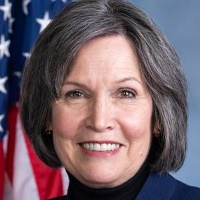
This bill restricts U.S. assistance to Israel if funds are used to support the military detention of Palestinian children, property seizure, or further annexation in the occupied West Bank.
Betty McCollum
Representative
MN
Betty McCollum
Representative
MN
This bill aims to defend the human rights of Palestinian children and families living under Israeli military occupation. It establishes policy prohibiting U.S. assistance funds from supporting specific Israeli actions, including the military detention of Palestinian children and the seizure of Palestinian property in violation of international law. The legislation also mandates annual reporting and oversight requirements regarding these activities and U.S. defense assistance to Israel.
This bill appropriates funding and establishes operational rules for the Department of Homeland Security for Fiscal Year 2026 across management, security, preparedness, and research functions, while imposing strict oversight and spending restrictions.
Rosa DeLauro
Representative
CT
Rosa DeLauro
Representative
CT
This bill provides the funding and establishes the operational rules for the Department of Homeland Security (DHS) for Fiscal Year 2026 across all major components, including intelligence, security operations, emergency management, and research. It allocates billions for agencies like TSA, Coast Guard, FEMA, and CISA while imposing strict new requirements for congressional oversight, spending transparency, and management of federal grants. The legislation also includes specific policy directives, such as mandating security screening for senior officials and restricting certain intelligence and contracting activities.
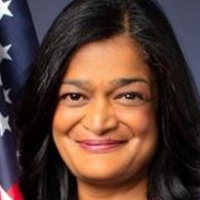
This bill establishes a comprehensive Transgender Bill of Rights to codify and protect the rights of transgender and nonbinary people across healthcare, employment, legal recognition, and safety.
Pramila Jayapal
Representative
WA
Pramila Jayapal
Representative
WA
This resolution establishes a comprehensive Transgender Bill of Rights to codify and protect the rights of transgender and nonbinary people across the United States. It mandates federal action to ensure equal access to healthcare, employment, housing, legal recognition, and safety. The bill aims to eliminate discrimination and affirm bodily autonomy by amending existing federal civil rights laws.
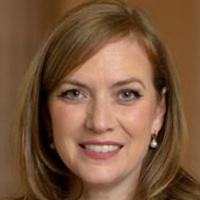
This bill imposes an immediate freeze on all hiring and transfers within U.S. Immigration and Customs Enforcement (ICE) until Congress passes a new law explicitly superseding this measure.
Lizzie Fletcher
Representative
TX
Lizzie Fletcher
Representative
TX
This bill immediately halts all hiring and transfers of personnel to U.S. Immigration and Customs Enforcement (ICE) using federal funds. The hiring freeze will remain in effect until Congress passes and enacts a new law specifically designed to supersede this provision.
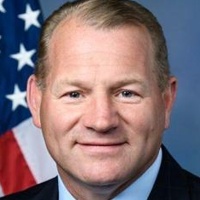
This Act prohibits the air transport of adult roosters, with an exemption for legitimate commercial agricultural purposes, to enhance aviation safety and combat illegal fighting operations.
Troy Nehls
Representative
TX
Troy Nehls
Representative
TX
The No Flight, No Fight Act of 2026 restricts the air transportation of adult roosters to enhance aviation safety and combat illegal activities like cockfighting. The bill prohibits air carriers from knowingly transporting adult roosters as cargo, with an exemption for shipments related to certified commercial farms for legitimate agricultural purposes. Enforcement authority rests with the Secretary of Transportation, and violations are subject to civil penalties.
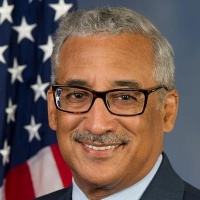
The Rebuild America’s Schools Act of 2026 establishes federal grant and bond programs to provide billions of dollars for the long-term improvement, modernization, and repair of public school facilities, prioritizing health, safety, and environmental conditions in high-need districts.
Robert Scott
Representative
VA
Robert Scott
Representative
VA
The **Rebuild America’s Schools Act of 2026** establishes major federal funding streams, including grants and tax-credit bonds, to modernize and repair public school facilities nationwide from 2027 through 2031. The legislation prioritizes districts with the greatest need, focusing on improving student health, safety, and environmental conditions in school buildings. It also mandates increased transparency through public databases tracking facility conditions and requires specific labor and "Buy America" standards for funded construction projects.