This bill prohibits immigration officers from interfering with federal elections and restricts immigration enforcement operations in the weeks leading up to an election, with limited exceptions.
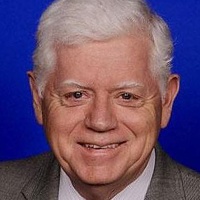
John Larson
Representative
CT-1
This bill, the Stop ICE Election Militarization Act, prohibits immigration officers from interfering with federal elections, such as intimidating voters or serving as election officials. It also restricts immigration enforcement and removal operations in the four weeks leading up to a federal election, except in cases involving specific criminal probable cause or to prevent imminent harm.
Stop ICE Election Militarization Act Sets 4-Week Enforcement Pause Before Federal Elections
The Stop ICE Election Militarization Act aims to draw a hard line between immigration enforcement and the ballot box. By amending Section 593 of Title 18, the bill adds immigration officers to the list of federal officials—joining the military—who are legally barred from using their authority to intimidate voters, influence who someone votes for, or serve as election officials at polling places. The core mission is to ensure that the presence of federal enforcement doesn't cast a shadow over the democratic process, keeping the focus on the voters rather than the badges.
The Election-Season Enforcement Freeze
One of the most concrete changes is a mandatory four-week cooldown period. Under Section 2, immigration officers are prohibited from conducting enforcement or removal operations during the 28 days leading up to a federal election. For a local business owner or a construction worker in a community with a high immigrant population, this means a predictable pause in the visible presence of ICE during the height of campaign season. This isn't a total shutdown, but it shifts the default setting to 'stand down' to prevent the perception that enforcement is being used as a political tool or a means of voter suppression.
Exceptions for Real Emergencies
The bill does include two specific 'break glass in case of emergency' clauses. Enforcement can still happen if there is 'particularized criminal probable cause' against a specific person or if an operation is necessary to prevent 'imminent death or serious bodily injury.' This means if someone is a known violent criminal or there’s a public safety crisis, the four-week pause doesn't apply. However, the bill is clear that these must be specific cases, not broad sweeps. While this protects public safety, the real-world impact depends on how strictly 'imminent' is interpreted—if the definition is stretched, the four-week protection could lose some of its teeth.
Balancing Security and the Ballot
For immigration agencies, this bill creates a new layer of scheduling and operational planning. They would lose a month of flexibility every two years, which might lead to a backlog of actions scheduled for the day after an election. For the average citizen, the bill acts as a safeguard for the 'vibe' of the polling place. By ensuring that federal officers aren't acting as poll watchers or conducting raids down the street from a voting center, the legislation seeks to keep the voting experience focused on civic duty rather than fear or administrative pressure.