Legislative Activity
Track Veronica's sponsored bills, co-sponsored legislation, and voting record
This Act establishes a pilot program to award competitive grants to organizations to improve children's access to books through purchasing, distribution, and literacy programming.

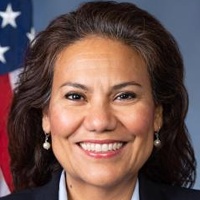
Valerie Foushee
Representative
NC
Valerie Foushee
Representative
NC
The Empowering Young Readers Act of 2026 establishes a pilot program to improve children's access to books through competitive grants. These grants, up to $200,000, will be awarded to eligible organizations for purchasing, distributing, or hosting literacy programming related to books. The Secretary of Education will administer the program and report to Congress on its impact on book access and community literacy rates.
This bill establishes mandatory minimum humanitarian standards for health screening, water, sanitation, food, and shelter for all individuals in ICE and CBP custody.
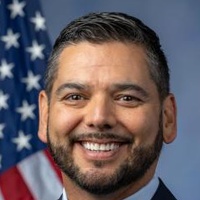
Raul Ruiz
Representative
CA
Raul Ruiz
Representative
CA
The Humanitarian Standards for Individuals in ICE and CBP Custody Act establishes minimum standards for health screening, nutrition, sanitation, and shelter for individuals detained by ICE and CBP. This bill mandates specific protocols for medical care, facility conditions, and personnel training to ensure humane treatment. It also requires regular inspections and public reporting on compliance and sexual abuse complaints.
This bill establishes a civil remedy allowing individuals to sue the U.S. government for constitutional rights violations committed by ICE or CBP officers.
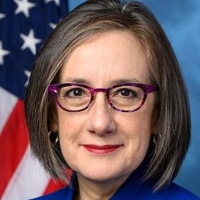
Andrea Salinas
Representative
OR
Andrea Salinas
Representative
OR
The ICE and CBP Constitutional Accountability Act establishes a civil remedy allowing individuals to sue the U.S. government for constitutional rights violations committed by ICE or CBP officers. This bill holds the government financially liable for unlawful enforcement actions, even if they contradict official policy. It specifically waives sovereign immunity for these claims and permits plaintiffs to seek punitive damages.
This bill seeks to disapprove and nullify the Department of Veterans Affairs' final rule regarding "Reproductive Health Services."
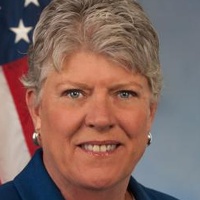
Julia Brownley
Representative
CA
Julia Brownley
Representative
CA
This resolution seeks to disapprove the Department of Veterans Affairs' final rule concerning "Reproductive Health Services" issued in September 2024. If enacted, this disapproval, made under the Congressional Review Act, would prevent the VA rule from taking legal effect.
This bill impeaches Secretary of Homeland Security Kristi Lynn Arnold Noem for high crimes and misdemeanors, citing willful refusal to comply with oversight law, violating the Impoundment Control Act, directing unlawful ICE misconduct, and misusing federal funds for personal gain.
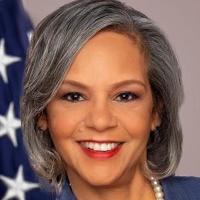
Robin Kelly
Representative
IL
Robin Kelly
Representative
IL
This resolution initiates impeachment proceedings against Secretary of Homeland Security Kristi Lynn Arnold Noem for high crimes and misdemeanors. The articles of impeachment charge her with willfully refusing to comply with Congressional oversight laws and violating the Impoundment Control Act by improperly withholding funds. Further articles allege she directed widespread misconduct by ICE agents that violated federal law and constitutional rights, and misused taxpayer funds for personal gain through improper contracting.
This bill prohibits the use of federal funds to support Venezuela's oil and petroleum infrastructure and requires an annual report from the Secretary of State on compliance.
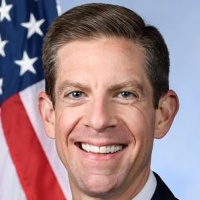
Mike Levin
Representative
CA
Mike Levin
Representative
CA
This bill prohibits the use of any federal funds to support, finance, or insure Venezuela's oil and petroleum infrastructure. It ensures taxpayer money is not used to aid the development or expansion of the Venezuelan oil sector. Furthermore, the Secretary of State must submit an annual report to Congress detailing compliance with this prohibition.
This bill modifies deposits into the Crime Victims Fund by excluding certain False Claims Act recoveries and mandates an Inspector General audit of the Fund's sustainability.
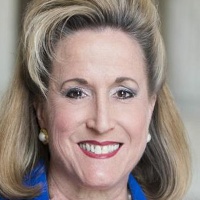
Ann Wagner
Representative
MO
Ann Wagner
Representative
MO
This bill amends the Victims of Crime Act of 1984 to temporarily exclude certain False Claims Act recoveries from being deposited into the Crime Victims Fund through fiscal year 2029. It also mandates a comprehensive audit by the Department of Justice Inspector General on the Fund's sustainability and the impact of recent legislative changes. The resulting report will provide recommendations for improving the Fund's effectiveness and oversight.
This resolution recognizes the 15th anniversary of the 2011 Tucson shooting, honoring the victims, survivors, and the ongoing advocacy of Gabby Giffords.
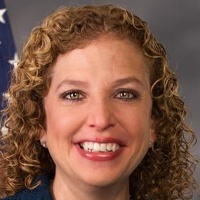
Debbie Wasserman Schultz
Representative
FL
Debbie Wasserman Schultz
Representative
FL
This resolution commemorates the 15th anniversary of the tragic January 8, 2011, Tucson shooting, honoring the six lives lost and the thirteen injured. It specifically commends the courage and ongoing advocacy of gun violence survivor and former Congresswoman Gabby Giffords. The resolution also recognizes the resilience of the community and reaffirms a commitment to ending political violence.
This bill expresses support for designating a week in September as "National Hispanic-Serving Institutions Week" to recognize their achievements and goals.
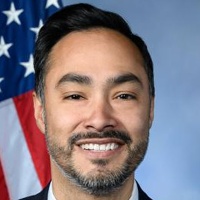
Joaquin Castro
Representative
TX
Joaquin Castro
Representative
TX
This bill officially designates the week of September 15 through September 21, 2024, as "National Hispanic-Serving Institutions Week." It recognizes the significant achievements and goals of these vital institutions across the nation. The resolution encourages public observance with appropriate activities to demonstrate support for Hispanic-Serving Institutions during Hispanic Heritage Month.
This resolution honors Senate President Pro Tempore Monique Limón for her historic service as the first Latina and first mother to hold the position.
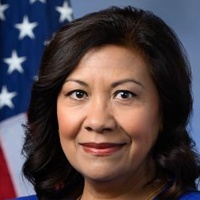
Norma Torres
Representative
CA
Norma Torres
Representative
CA
This resolution honors Senator Monique Limón for her historic service and achievements as the first Latina and first mother to serve as President pro Tempore of the California State Senate. It recognizes her background as a first-generation college graduate and dedicated educator. The bill commends her legislative leadership, particularly her work championing issues for working families. Finally, it celebrates her swearing-in ceremony for this landmark role.
This Act establishes a comprehensive federal strategy to combat rising antisemitism through policy statements, enhanced security grants, improved hate crime reporting, and specific mandates for educational institutions and federal agencies, while prohibiting the weaponization of antisemitism for partisan goals.
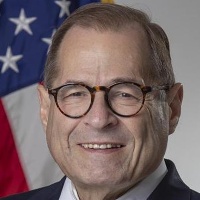
Jerrold Nadler
Representative
NY
Jerrold Nadler
Representative
NY
The Antisemitism Response and Prevention Act of 2025 aims to combat rising antisemitism through comprehensive federal action, emphasizing evidence-based strategies consistent with democratic values. The bill establishes new offices within the DOJ and FBI to coordinate counter-efforts and improve hate crime data collection. Furthermore, it mandates specific compliance and reporting requirements for colleges regarding civil rights and prohibits partisan conditions on nonprofit security grants.
This act removes the White House and its grounds from a specific list of protected properties under existing historic preservation law.
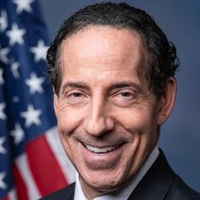
Jamie Raskin
Representative
MD
Jamie Raskin
Representative
MD
The People's White House Historic Preservation Act removes the White House and its grounds from a specific list of properties under current preservation law. This action reclassifies the status of the White House regarding federal historic preservation regulations.
This act nullifies a recent Executive Order regarding federal labor relations and ensures existing collective bargaining agreements remain in effect.

Jared Golden
Representative
ME
Jared Golden
Representative
ME
The Protect America's Workforce Act nullifies a specific Executive Order issued in March 2025 concerning exclusions from federal labor-management relations programs. This legislation ensures that any existing collective bargaining agreements between federal agencies and employee unions remain fully in effect until their stated expiration dates. The Act also prohibits the use of federal funds to implement the overturned Executive Order.
This resolution commends state and local governments for championing reproductive rights as human rights while condemning abortion restrictions and criminalization following the *Dobbs* decision.
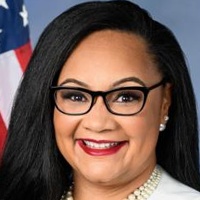
Nikema Williams
Representative
GA
Nikema Williams
Representative
GA
This concurrent resolution commends state and local governments for championing reproductive rights as human rights following the overturning of *Roe v. Wade*. It declares that denying abortion care leads to severe health risks and highlights the criminalization of pregnancy outcomes across the U.S. The resolution urges states to repeal abortion restrictions and affirm that reproductive rights are fundamental human rights.
This resolution condemns the Iranian government's systematic persecution of the Baha'i minority and calls for the immediate release of imprisoned Baha'is and the imposition of sanctions on responsible officials.

Janice Schakowsky
Representative
IL
Janice Schakowsky
Representative
IL
This resolution strongly condemns the Iranian government for its ongoing, state-sponsored persecution of the Baha'i religious minority, which violates international human rights laws. It documents systematic abuses, including economic restrictions, denial of education, and arbitrary arrests, noting that these actions may constitute a crime against humanity. The resolution calls on Iran to immediately release all imprisoned Bahais and urges the U.S. President and Secretary of State to condemn these violations and impose sanctions on responsible officials.
The Dignity for Detained Immigrants Act establishes comprehensive standards, rigorous oversight, and new custody procedures to ensure humane treatment and due process for all noncitizens detained by the Department of Homeland Security, while phasing out for-profit detention facilities.

Pramila Jayapal
Representative
WA
Pramila Jayapal
Representative
WA
The Dignity for Detained Immigrants Act aims to overhaul immigration detention by establishing mandatory, high standards based on ABA guidelines and increasing transparency through rigorous, unannounced inspections. The bill prohibits the use of private, for-profit detention facilities within three years and ends the mandatory detention of most noncitizens, prioritizing release or community-based alternatives. Furthermore, it establishes new due process rights, including timely custody hearings, a presumption of release, and prohibitions on detaining children or using solitary confinement.
This act mandates the Department of Defense to create a strategic plan establishing uniform protocols, training, and awareness campaigns for military mental health self-referrals and support.
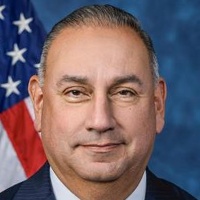
Gilbert Cisneros
Representative
CA
Gilbert Cisneros
Representative
CA
The Brandon Act Training and Protocol Act mandates the Secretary of Defense to develop a comprehensive strategic plan to improve mental health services and address suicide among service members. This plan requires establishing uniform protocols for the self-initiated mental health referral process and implementing standardized mental health training for all personnel. The goal is to ensure service members are fully aware of and can easily access mental health support.
The Mikaela Naylon Give Kids a Chance Act primarily focuses on enhancing pediatric drug research, ensuring completion of pediatric study requirements, extending incentives for rare pediatric disease treatments, and making targeted updates to FDA and organ transplant network operations.
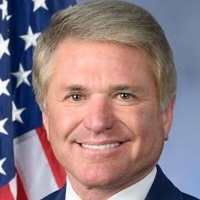
Michael McCaul
Representative
TX
Michael McCaul
Representative
TX
The Mikaela Naylon Give Kids a Chance Act focuses primarily on improving pediatric drug development and ensuring patient access to necessary treatments. This legislation mandates new research requirements for molecularly targeted pediatric cancer drugs, strengthens FDA enforcement of pediatric study completion, and extends incentives for developing drugs for rare pediatric diseases. Additionally, the bill updates organ transplant network functions and establishes an Abraham Accords Office within the FDA to enhance international regulatory cooperation.
This bill allows participants aged 50 and older to roll over employer contributions from a 401(k) plan into an individual retirement annuity before retirement and updates the required rollover explanation provided to taxpayers.
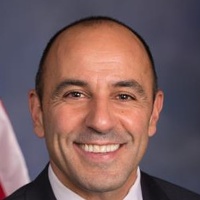
Jimmy Panetta
Representative
CA
Jimmy Panetta
Representative
CA
This bill, the Retirement Simplification and Clarity Act, amends tax code to allow participants aged 50 and older to roll over employer contributions from their 401(k) plan directly into an individual retirement annuity before retirement. It also updates the required written explanation provided to taxpayers regarding rollover rules to ensure it is concise and clearly outlines key tax implications and options. These provisions are set to take effect for taxable years beginning after December 31, 2025.
This Act provides liability protection for individuals and organizations who donate or distribute menstrual products in good faith to those in need.

Grace Meng
Representative
NY
Grace Meng
Representative
NY
The Good Samaritan Menstrual Products Act provides liability protections for individuals, manufacturers, and nonprofit organizations that donate or distribute menstrual products in good faith to those in need. This protection covers the nature, age, or condition of apparently usable donated products. However, these protections do not apply in cases of gross negligence or intentional misconduct.