The Head Start for America’s Children Act updates and expands the Head Start program by increasing funding, enhancing staff compensation and mental health support, and improving services for children with disabilities, English learners, and Native American communities.
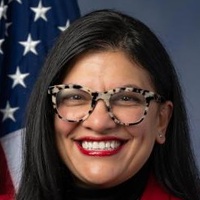
Rashida Tlaib
Representative
MI-12
The "Head Start for America’s Children Act" updates and expands the federal Head Start program to better support the developmental, mental health, and educational needs of infants, toddlers, and children. The bill increases funding for core operations and specialized initiatives, establishes new requirements for staff compensation and professional development, and introduces pilot programs to improve access in high-poverty areas and on college campuses. Additionally, it strengthens support for Native American and migrant/seasonal programs, enhances services for children with disabilities, and mandates new standards to prevent the use of seclusion and restraint.
Head Start for America’s Children Act: $60,000 Minimum Teacher Salary and Expanded Eligibility Set for 2026
The Head Start for America’s Children Act is a massive overhaul of the nation’s primary early childhood program, aiming to turn Head Start into a more stable, professional, and accessible system. Starting in fiscal year 2026, the bill authorizes a staggering $144.8 billion to fund core operations, with a built-in 'annual adjustment percentage' to ensure funding keeps pace with inflation. Beyond the raw numbers, the bill shifts the program's focus toward a 'full calendar year' model, requiring most centers to provide at least 1,380 hours of service annually by late 2027. This is a major win for working parents who currently struggle with the 'partial-day' or 'school-year' schedules that often leave them scrambling for additional childcare.
A Living Wage for Educators
The most immediate real-world change hits the workforce. If you’re a Head Start teacher currently making $35,000 a year, this bill is a game-changer. Section 23 mandates that by 2026, educational staff must earn at least $60,000 annually or achieve pay parity with local public elementary school teachers—whichever is higher. For a lead teacher in a rural county, this could nearly double their take-home pay. The bill also guarantees benefits for anyone working over 30 hours, including high-quality health insurance and paid personal leave. By treating early childhood education as a career rather than a low-wage stepping stone, the bill aims to fix the chronic staffing shortages that currently leave many classrooms empty.
Opening the Doors Wider
Eligibility is getting a much-needed reality check. Currently, many families earn 'too much' for Head Start but too little to afford private preschool. This bill replaces the old federal poverty line standard with a threshold of 60% of the State Median Income (Section 15). For a family of four in a mid-cost state, this could mean suddenly qualifying for free, high-quality care that was previously out of reach. It also grants automatic eligibility to children in foster care, those experiencing homelessness, and families receiving SNAP or housing vouchers. There is even a 10-agency 'Community Eligibility' pilot program that allows high-poverty neighborhoods to enroll every single child, regardless of their family's specific income, cutting through the red tape of individual applications.
Safety, Mental Health, and Cultural Roots
The bill isn't just about more seats; it’s about what happens inside the classroom. It explicitly defines and restricts the use of 'chemical,' 'mechanical,' and 'physical' restraints, requiring centers to report incidents of seclusion or restraint to Congress (Section 21). To prevent these situations before they happen, the bill mandates access to trained mental health consultants for both kids and staff. For Native American and Native Hawaiian communities, the bill offers significant autonomy, allowing tribes to set their own enrollment priorities and use curricula that focus on preserving indigenous languages. While the increased reporting and 1,380-hour requirement will put more administrative pressure on local directors, the bill provides $863 million in specific 'extended operation' grants to help cover those extra costs.