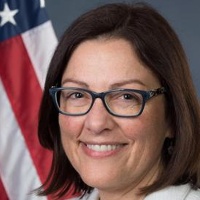
Legislative Activity
Track Suzan's sponsored bills, co-sponsored legislation, and voting record
This Act mandates that federal officers involved in border security or immigration enforcement must clearly display identification, wear visible uniforms or badges, and not conceal their faces during detentions or arrests.

Dan Goldman
Representative
NY
Dan Goldman
Representative
NY
The No Secret Police Act of 2025 mandates that federal officers engaged in border security or immigration enforcement must clearly display identification, wear visible badges or uniforms, and refrain from wearing face coverings during detentions or arrests. This ensures accountability by requiring clear identification from Department of Homeland Security (DHS) personnel. The bill also requires the Secretary of Homeland Security to report on current tactical gear policies and research methods to improve officer visibility.
The PRIDE Act of 2025 extends the deadline for certain married couples to file joint tax returns based on past marriage recognition and updates the Internal Revenue Code with gender-neutral language for all married individuals.
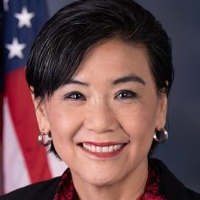
Judy Chu
Representative
CA
Judy Chu
Representative
CA
The PRIDE Act of 2025 aims to update the Internal Revenue Code to ensure equal treatment and inclusive language for all married couples. It extends the deadline for certain legally married couples to file amended joint tax returns following past recognition changes. Furthermore, the bill systematically replaces gendered terms like "husband," "wife," and "his" with gender-neutral language such as "spouse" and "individual" across numerous tax provisions. These changes ensure consistent, equitable application of tax law regardless of gender identity.
The CONNECT for Health Act of 2025 permanently expands Medicare telehealth access by removing geographic restrictions, increasing practitioner flexibility, bolstering program integrity, and mandating supports for quality remote care delivery.
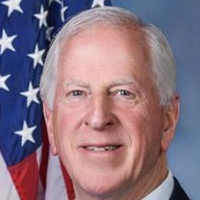
Mike Thompson
Representative
CA
Mike Thompson
Representative
CA
The CONNECT for Health Act of 2025 significantly expands and permanently secures access to Medicare telehealth services by eliminating outdated geographic restrictions and allowing more practitioners to offer remote care. The bill also strengthens program integrity by dedicating funds for telehealth oversight while clarifying rules around providing necessary technology to patients. Finally, it mandates the creation of tailored educational resources and public reporting to improve quality measurement and transparency in remote care delivery.
This Act prohibits the use of "panic defenses" in federal court that attempt to excuse or mitigate crimes based on a victim's sexual orientation or gender identity.
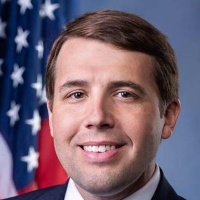
Chris Pappas
Representative
NH
Chris Pappas
Representative
NH
The LGBTQ+ Panic Defense Prohibition Act of 2025 bans the use of "panic defenses" in federal court, which attempt to excuse or lessen a defendant's culpability for a crime based on the victim's sexual orientation or gender identity. This legislation recognizes that these outdated defenses rely on prejudice and undermine justice for LGBTQ+ individuals. The Act also requires the Attorney General to report annually on violent federal crimes motivated by bias against LGBTQ+ people.
The Equal Dignity for Married Taxpayers Act updates the Internal Revenue Code by replacing gendered language with gender-neutral terms to ensure consistent and equal application of tax laws for all legally married couples.
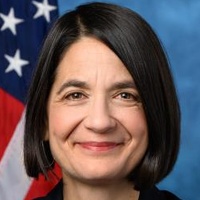
Becca Balint
Representative
VT
Becca Balint
Representative
VT
The Equal Dignity for Married Taxpayers Act modernizes the Internal Revenue Code by replacing gendered language with gender-neutral terms for all legally married couples. This sweeping update ensures consistency across tax rules regarding filing status, deductions, and credits, regardless of the spouses' genders. The bill clarifies that married couples are often treated as a single entity for specific tax purposes. Ultimately, this legislation updates terminology to reflect equal dignity for all married taxpayers.
This resolution formally recognizes the history, achievements, and ongoing struggles of the LGBTQIA+ community while encouraging the celebration of Pride Month and affirming that LGBTQIA+ rights are human rights.
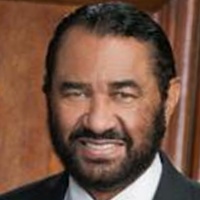
Al Green
Representative
TX
Al Green
Representative
TX
This resolution formally recognizes the history, achievements, and ongoing struggles of the LGBTQIA+ community in the United States. It serves as a declaration by Congress affirming that LGBTQIA+ rights are human rights and encouraging the celebration of Pride Month. The bill highlights key historical milestones, legal victories, and acknowledges the persistent challenges and violence faced by the community. Ultimately, it commits the U.S. to continuing the pursuit of full equality for all citizens.
This resolution recognizes the right to peaceful protest while condemning violence and criticizing the federal government's controversial deployment of military forces during recent Los Angeles demonstrations.
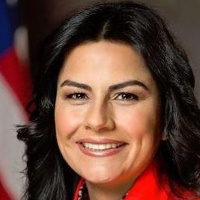
Nanette Barragán
Representative
CA
Nanette Barragán
Representative
CA
This resolution formally recognizes the constitutional right to peaceful protest while strongly condemning violence and illegal acts committed during demonstrations. It criticizes the federal government's deployment of military forces during recent events, arguing the actions were an overreach that bypassed proper legal and state authority. Ultimately, the bill asserts the importance of transparency in law enforcement and denounces rhetoric that escalates community tensions.
This bill reauthorizes and strengthens the National Earthquake Hazards Reduction Program by expanding its focus to include recovery, improving early warning system coordination with the FCC, and authorizing specific funding through fiscal year 2030.
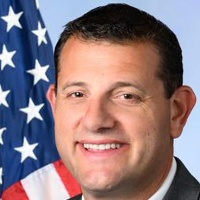
David Valadao
Representative
CA
David Valadao
Representative
CA
The National Earthquake Hazards Reduction Program Reauthorization Act of 2025 strengthens the national earthquake preparedness strategy by expanding its focus to include recovery standards, tsunami coordination, and improved communication protocols. This legislation specifically enhances the U.S. Geological Survey's role in improving the early warning system, ensuring faster and more accessible alerts. Furthermore, the bill authorizes specific funding levels for earthquake hazard reduction efforts through fiscal year 2030.
This Act expands healthcare access by ensuring lawfully present immigrants are eligible for federal health programs, treating federally authorized presence as lawful presence for coverage, and giving states the option to cover undocumented individuals under Medicaid and CHIP.
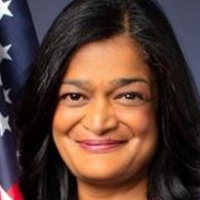
Pramila Jayapal
Representative
WA
Pramila Jayapal
Representative
WA
The Health Equity and Access under the Law for Immigrant Families Act of 2025 aims to significantly expand healthcare access for immigrants legally residing in the U.S. by ensuring eligibility for federal health programs like Medicaid and CHIP, removing state restrictions for permanent residents, and treating federally authorized presence as lawful presence for coverage purposes. The bill also provides states the option to extend Medicaid and CHIP coverage to individuals without lawful status. Furthermore, it removes citizenship barriers preventing certain non-citizens from accessing ACA marketplace subsidies and updates Medicare eligibility rules.
The Prevent Illegal Gun Sales Act increases compliance inspections and penalties for firearms licensees, grants the Attorney General new authority over licensing and dealer oversight, and mandates ATF staffing increases to enforce these stricter regulations.
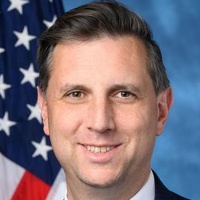
Seth Magaziner
Representative
RI
Seth Magaziner
Representative
RI
The Prevent Illegal Gun Sales Act aims to strengthen federal oversight of firearms dealers by increasing compliance inspections and imposing stricter penalties for licensing violations and poor recordkeeping that aids trafficking. The bill also grants the Attorney General new authority to deny licenses based on public safety concerns and allows for immediate license suspension upon felony conviction. Finally, it authorizes the ATF to hire additional personnel necessary to enforce these expanded regulations.
The Refuge From Cruel Trapping Act bans the possession or use of body-gripping traps on National Wildlife Refuge System lands, with limited exceptions for federal agencies, dismantling, Alaska, and tribal subsistence.
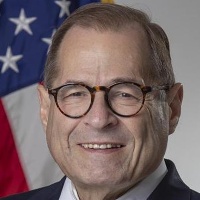
Jerrold Nadler
Representative
NY
Jerrold Nadler
Representative
NY
The Refuge From Cruel Trapping Act prohibits the possession or use of body-gripping traps, such as steel-jaw traps and snares, on lands within the National Wildlife Refuge System. This ban includes exceptions for federal agencies managing specific species, tribal subsistence use, and lands in Alaska. Violators face civil fines up to $500 per trap or use, potential jail time, and forfeiture of illegal traps and wildlife.
This Act prohibits states from interfering with or penalizing individuals who provide, receive, or facilitate abortion services that are legal in the state where the service occurs, including interstate travel for such care.

Lizzie Fletcher
Representative
TX
Lizzie Fletcher
Representative
TX
The Ensuring Women’s Right to Reproductive Freedom Act prohibits states from interfering with or retaliating against individuals who provide or receive abortion services that are legal in the state where the service occurs. This protection extends to interstate travel for legal abortion care and the movement of FDA-approved abortion-related drugs across state lines. Individuals harmed by violations can sue in federal court for damages and legal fees.
The Break the Cycle of Violence Act establishes federal frameworks within HHS and the Department of Labor to fund community-based violence intervention programs and provide job training for opportunity youth in high-violence areas.
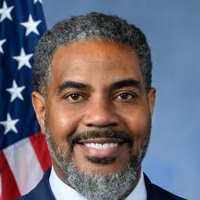
Steven Horsford
Representative
NV
Steven Horsford
Representative
NV
The Break the Cycle of Violence Act establishes federal frameworks within HHS and the Department of Labor to address community violence through prevention and economic opportunity. Title I creates grants for community-based violence intervention programs focused on evidence-based, trauma-responsive care, while Title II funds job training for opportunity youth in high-violence areas. Overall, the bill aims to reduce violence by investing in local services and creating pathways to employment rather than relying solely on incarceration.
The Women’s Health Protection Act of 2025 establishes a federal right to access abortion services before fetal viability and protects the right to travel for care, overriding state restrictions that place burdens on abortion access not imposed on comparable medical procedures.
Judy Chu
Representative
CA
Judy Chu
Representative
CA
The Women’s Health Protection Act of 2025 establishes a federal statutory right to access abortion services, prohibiting medically unnecessary restrictions that impede care before fetal viability. This Act protects the right of patients to travel across state lines to receive reproductive healthcare and allows providers to offer services free from state interference that conflicts with established medical standards. It preempts conflicting state and local laws and provides robust enforcement mechanisms for individuals and the Attorney General to challenge violations.
This bill mandates that the VA must seek reimbursement from Medicare Advantage and Part D plans for covered care provided to veterans and establishes stricter timelines and penalties for third parties who fail to reimburse the government for care related to non-service-connected disabilities.
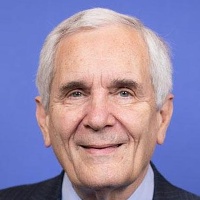
Lloyd Doggett
Representative
TX
Lloyd Doggett
Representative
TX
The Guarantee Utilization of All Reimbursements for Delivery of Veterans’ Health Care Act (GUARD Veterans Health Care Act) mandates that the Department of Veterans Affairs (VA) must seek reimbursement from Medicare Advantage and Medicare Part D prescription drug plans for healthcare services provided to eligible veterans. Additionally, the bill strengthens the government's authority to recover costs for non-service-connected disability care from responsible third parties. It establishes strict timelines and penalties for third parties who fail to promptly process and pay these recovery claims to the VA.
This resolution reaffirms the importance of U.S. leadership in promoting the safety and well-being of refugees globally while criticizing recent administrative actions that restricted refugee admissions and asylum access.
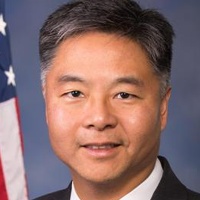
Ted Lieu
Representative
CA
Ted Lieu
Representative
CA
This resolution strongly reaffirms the United States' commitment to promoting the safety and well-being of refugees globally. It criticizes recent administrative actions that suspended refugee admissions and travel bans, arguing they violate U.S. and international law. The bill calls for the immediate restoration of the U.S. Refugee Admissions Program and demands federal agencies uphold due process for asylum seekers. Ultimately, it asserts that welcoming oppressed people is central to American values and legal obligations.
The Affordable Housing Equity Act of 2025 increases the tax credit available to developers for building rental housing units specifically designated for extremely low-income households, provided local agencies certify the necessity of the boost.
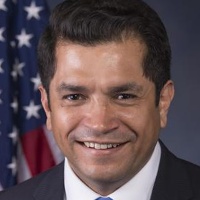
Jimmy Gomez
Representative
CA
Jimmy Gomez
Representative
CA
The Affordable Housing Equity Act of 2025 aims to increase the availability of housing for extremely low-income households. This bill boosts the tax credits available to developers who dedicate a significant portion of their rental properties to these households. Specifically, it increases the eligible basis for calculating tax credits by 50% for units serving those earning 30% of the area median income or less, provided local agencies deem it necessary for project feasibility.
This act ensures that time spent receiving outpatient observation services in a hospital counts toward the required 3-day inpatient stay for Medicare coverage of skilled nursing facility services.
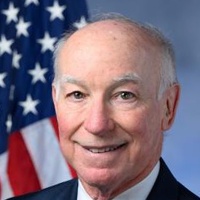
Joe Courtney
Representative
CT
Joe Courtney
Representative
CT
The Improving Access to Medicare Coverage Act of 2025 ensures that time spent receiving outpatient observation services in a hospital counts toward the required 3-day inpatient stay needed to qualify for Medicare coverage of skilled nursing facility (SNF) services. This change effectively removes a significant barrier to accessing post-hospital care for many Medicare beneficiaries. The Secretary of HHS is authorized to implement this rule immediately.
This resolution commemorates the nine-year anniversary of the Pulse nightclub shooting, honoring the victims, first responders, and the community's resilience while urging continued action on gun safety.
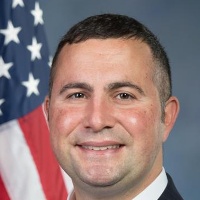
Darren Soto
Representative
FL
Darren Soto
Representative
FL
This resolution formally commemorates the ninth anniversary of the tragic Pulse nightclub shooting in Orlando, Florida, on June 12, 2016. It honors the lives lost, recognizes the bravery of first responders, and reaffirms community unity in the face of hate. Furthermore, the resolution calls for continued efforts to reduce gun violence and support those affected by this act of terrorism.
This resolution urges the establishment of a United States Commission on Truth, Racial Healing, and Transformation to acknowledge historical racial injustices and promote national healing and equity.

Jasmine Crockett
Representative
TX
Jasmine Crockett
Representative
TX
This resolution urges the establishment of a United States Commission on Truth, Racial Healing, and Transformation to formally acknowledge the nation's history of systemic racial injustice. The proposed commission would memorialize this history and serve as a catalyst for eliminating persistent racial inequities. It is intended to complement, not replace, efforts focused on reparations.