Legislative Activity
Track Suzan's sponsored bills, co-sponsored legislation, and voting record
This Act prohibits insurance companies from discriminating against living organ donors when issuing life, disability, or long-term care policies and mandates the updating of educational materials regarding donation risks and insurance implications.
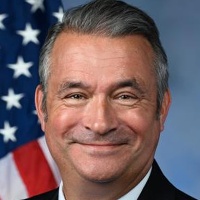
Don Bacon
Representative
NE
Don Bacon
Representative
NE
The Living Donor Protection Act of 2025 prohibits life, disability, and long-term care insurance companies from denying coverage or increasing premiums solely because an individual is a living organ donor. This legislation ensures that living donors are not financially penalized for their altruistic act. Additionally, the bill requires the Secretary of HHS to update educational materials to accurately reflect the insurance protections afforded to living donors.
This constitutional amendment prohibits immunity from criminal prosecution for federal officials based on their official duties and bars the President from self-pardoning.
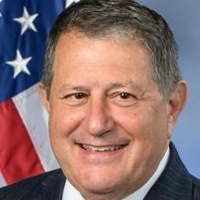
Joseph Morelle
Representative
NY
Joseph Morelle
Representative
NY
This proposed constitutional amendment would eliminate immunity from criminal prosecution for federal officials, including the President, based on their official duties. It also explicitly prohibits the President from issuing a self-pardon for any federal crimes. If ratified, these changes would take effect immediately.
The EACH Act of 2025 mandates that all federally funded health programs and facilities must cover and provide abortion services, while also prohibiting federal interference with private insurance coverage.
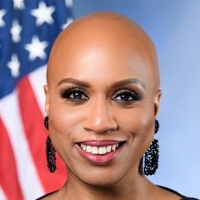
Ayanna Pressley
Representative
MA
Ayanna Pressley
Representative
MA
The EACH Act of 2025 aims to ensure equal access to abortion coverage by requiring all federally funded health programs and facilities to cover abortion services. This legislation prohibits federal interference with state or private insurance coverage of abortion and repeals Section 1303 of the Affordable Care Act. Ultimately, the bill seeks to eliminate financial and insurance barriers to abortion care, particularly for low-income individuals relying on programs like Medicaid.
This Act guarantees individuals the right to obtain and receive information about FDA-approved medicines and protects healthcare providers who offer them from restrictive government rules.
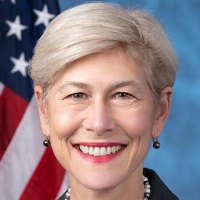
Deborah Ross
Representative
NC
Deborah Ross
Representative
NC
The Right to FDA-Approved Medicines Act guarantees individuals the right to obtain and receive information about medicines already approved by the FDA. This law preempts and overrides conflicting federal and state regulations that restrict access to or the provision of these approved drugs by healthcare providers. It establishes strong enforcement mechanisms, allowing both the Attorney General and private citizens to sue states that violate these protections.
The NOPAIN for Veterans Act mandates the Department of Veterans Affairs to promptly add specific non-opioid pain medications to its National Formulary.
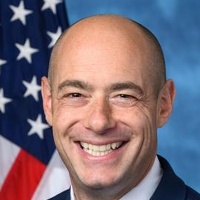
Greg Landsman
Representative
OH
Greg Landsman
Representative
OH
The NOPAIN for Veterans Act mandates that the Department of Veterans Affairs (VA) must promptly add specific, FDA-approved non-opioid pain medications to its National Formulary. This ensures veterans have access to alternative pain management options that do not rely on opioids. The VA is required to implement these changes within 90 days of the Act becoming law.
This bill expands Medicare coverage for mental health services provided by qualified doctoral interns and postdoctoral residents in psychology and directs guidance to states for similar coverage under Medicaid and CHIP.
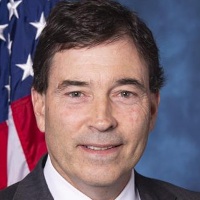
Troy Balderson
Representative
OH
Troy Balderson
Representative
OH
The Accelerating the Development of Advanced Psychology Trainees (ADAPT) Act aims to expand Medicare coverage for mental health services provided by qualified doctoral interns and postdoctoral residents under general supervision. This legislation directs the Secretary of Health and Human Services to establish necessary billing codes for Medicare reimbursement one year after enactment. Furthermore, the Act requires the Secretary to issue guidance to states on removing barriers to covering these trainee services under Medicaid and CHIP programs.
This Act prohibits the destruction of U.S. foreign aid supplies like food and medicine, mandating their delivery or donation to intended recipients before expiration to save lives and taxpayer dollars.
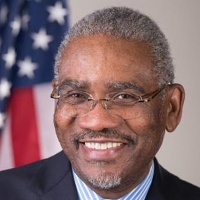
Gregory Meeks
Representative
NY
Gregory Meeks
Representative
NY
The Saving Lives and Taxpayer Dollars Act aims to ensure that U.S. foreign assistance commodities, such as food and medicine, are delivered to those in need rather than being destroyed. This legislation mandates that aid supplies must be distributed before they expire or spoil, thereby maximizing the humanitarian impact of U.S. aid. Furthermore, it establishes strict reporting requirements to track and prevent the waste of these vital resources. The bill highlights that effective foreign aid supports global health, strengthens the U.S. economy, and benefits American agriculture.
This act mandates electronic notification to organ procurement agencies and electronic health record access upon a patient's death or imminent death in hospitals, with provisions for hardship exemptions.
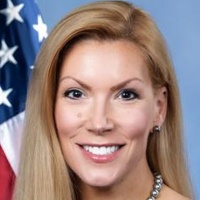
Beth Van Duyne
Representative
TX
Beth Van Duyne
Representative
TX
The Removing Burdens From Organ Donation Act mandates that hospitals electronically notify organ procurement agencies when a patient is declared deceased or near death. This law also grants these agencies electronic access to the potential donor's health records upon the update of the death status. Exemptions are available for hospitals facing significant hardship, cybersecurity attacks, or disaster situations. The Secretary must also issue guidance on best practices for implementing these new electronic notification procedures.
This Act mandates federal standards requiring employers to implement comprehensive heat illness and injury prevention programs to protect workers from dangerous heat stress.
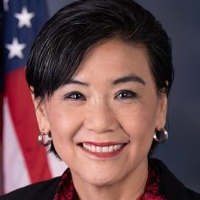
Judy Chu
Representative
CA
Judy Chu
Representative
CA
The Asunción Valdivia Heat Illness, Injury, and Fatality Prevention Act of 2025 mandates that employers protect workers from dangerous heat stress by establishing comprehensive safety standards. This Act requires the Secretary of Labor to create evidence-based rules covering engineering controls, administrative procedures, required training, and paid rest breaks to prevent heat-related illness. Furthermore, the law establishes strict enforcement mechanisms, whistleblower protections, and specific timelines for the implementation of these new federal heat protection standards.
This act requires the CBO to score the long-term budget savings resulting from preventive healthcare measures when requested by key committee leaders.
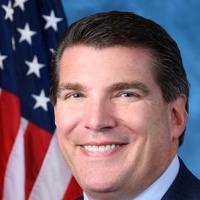
Jay Obernolte
Representative
CA
Jay Obernolte
Representative
CA
The Preventive Health Savings Act requires the Congressional Budget Office (CBO) to score the long-term budget savings resulting from preventive healthcare measures when requested by key congressional leaders. If savings are found, the CBO must include an estimate of these future reductions in its budget projections for the legislation. However, these supplementary savings estimates cannot be used to satisfy standard budget enforcement rules.
This comprehensive act establishes federal entitlements and grants to ensure access to affordable, high-quality child care and universal preschool for young children while significantly increasing compensation for early childhood educators.
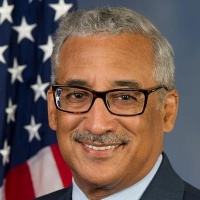
Robert Scott
Representative
VA
Robert Scott
Representative
VA
The Child Care for Working Families Act establishes comprehensive federal programs to ensure access to high-quality, affordable child care and universal preschool for young children. The legislation creates an entitlement program for child care, mandates that provider reimbursement rates cover actual costs and ensure living wages for staff, and establishes free, universal preschool for 3- and 4-year-olds. Additionally, it provides dedicated funding to stabilize childcare providers and extend the operating hours and compensation for Head Start staff.
This resolution demands the immediate handover of all unclassified federal documents related to the Jeffrey Epstein investigation within 14 days, authorizing subpoenas if the executive branch fails to comply.
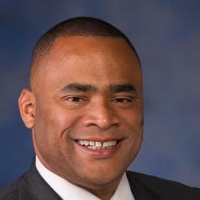
Marc Veasey
Representative
TX
Marc Veasey
Representative
TX
This resolution demands that federal agencies immediately release all unclassified documents related to the Jeffrey Epstein investigation. Congress is asserting its constitutional authority to compel transparency regarding Epstein's network, client lists, and internal agency communications. Agencies have 14 days to comply before the House initiates subpoena proceedings to force disclosure.
This bill authorizes the creation and sale of commemorative coins for the 2028 Los Angeles and 2034 Salt Lake City Olympic and Paralympic Games to help fund the events, with all surcharges going to the respective organizing committees after covering production costs.
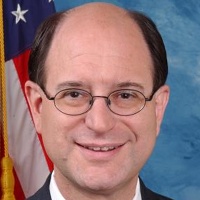
Brad Sherman
Representative
CA
Brad Sherman
Representative
CA
This Act authorizes the Secretary of the Treasury to mint and sell special commemorative coins for the 2028 Los Angeles Olympic and Paralympic Games and the 2034 Salt Lake City Winter Olympic and Paralympic Games. The coins will feature designs celebrating American athletes and the Games themselves. All surcharges collected from the sale of these coins will be directed to the respective organizing committees to help fund the events and related youth sports programs. The entire program must be conducted at no cost to the U.S. Government.
This resolution formally recognizes the significant and persistent wage gap disproportionately affecting Black women in the United States.
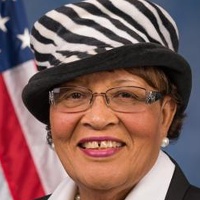
Alma Adams
Representative
NC
Alma Adams
Representative
NC
This resolution formally recognizes the significant and persistent wage disparity faced by Black women in the United States. It highlights that despite existing equal pay laws, Black women earn substantially less than their male counterparts, leading to massive lifetime earnings losses. Congress uses this measure to emphasize the urgent need to address both racial and gender discrimination to achieve true pay equity.
This resolution expresses support for designating July 10th as Journeyman Lineworkers Recognition Day to honor the dangerous and essential service provided by these workers, especially during crises.

Linda Sánchez
Representative
CA
Linda Sánchez
Representative
CA
This resolution expresses support for designating July 10th as Journeyman Lineworkers Recognition Day. It honors the essential and dangerous work performed by these skilled professionals, especially their heroic efforts in restoring power after major disasters. The day serves to recognize their service and remember those who have lost their lives performing this vital work.
This bill establishes a grant program to help high-need school districts hire, retain, and diversify mental health professionals to expand student access to services.
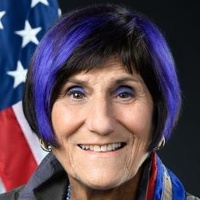
Rosa DeLauro
Representative
CT
Rosa DeLauro
Representative
CT
The Expanding Access to Mental Health Services in Schools Act of 2025 establishes a new federal grant program to increase the number of mental health professionals in high-need school districts. This funding is specifically designed to help eligible agencies recruit, hire, and retain school counselors, psychologists, and social workers. Grantees must demonstrate a plan to improve student-to-provider ratios and report annually on staffing improvements and provider retention.
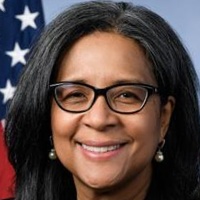
This Act establishes a federal grant program to fund travel and logistical support for individuals accessing abortion services, explicitly excluding payment for the procedure itself.
Marilyn Strickland
Representative
WA
Marilyn Strickland
Representative
WA
The Reproductive Health Travel Fund Act of 2025 establishes a federal grant program to help cover the logistical costs associated with accessing abortion services. This funding is specifically designated for travel, lodging, childcare, and other support services for individuals, but explicitly excludes payment for the procedure itself. Priority for these grants will be given to established community organizations that assist people living in states with abortion bans or heavy restrictions. The Act also includes provisions to protect grant recipients and users from state or local interference related to the funded activities.
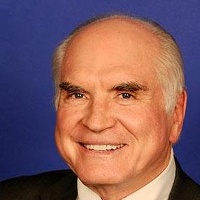
The Treat and Reduce Obesity Act of 2025 expands Medicare coverage for intensive behavioral therapy for obesity and mandates Part D coverage for certain weight management medications for eligible beneficiaries.
Mike Kelly
Representative
PA
Mike Kelly
Representative
PA
The Treat and Reduce Obesity Act of 2025 aims to combat the growing obesity epidemic, particularly among older adults, by expanding access to intensive behavioral therapy under Medicare. This bill mandates that Medicare Part D plans begin covering FDA-approved medications for obesity and weight management in individuals with related health conditions. Finally, it requires the Secretary of HHS to report regularly to Congress on the implementation and coordination of these new obesity treatment strategies.
This Act prohibits the use of Medicaid funding for any paid service aimed at changing an individual's sexual orientation or gender identity.

Shri Thanedar
Representative
MI
Shri Thanedar
Representative
MI
This bill, the Prohibition of Medicaid Funding for Conversion Therapy Act, prohibits Medicaid plans from using federal funds to pay for conversion therapy services. Conversion therapy is defined as any paid practice aimed at changing an individual's sexual orientation or gender identity. This legislation ensures that taxpayer dollars do not support efforts to alter a person's core identity.
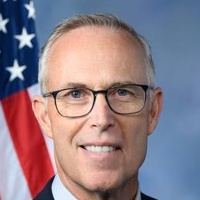
Canyon's Law prohibits the use and requires the removal of M44 sodium cyanide predator control devices on all public lands due to documented harm to people, pets, and non-target wildlife.
Jared Huffman
Representative
CA
Jared Huffman
Representative
CA
Canyon's Law prohibits the use of M44 cyanide predator control devices on all public lands across the United States. This action is taken due to documented incidents where these highly toxic devices have harmed people, pets, and non-target wildlife. Any M44 devices currently deployed on public land must be removed within 30 days of this Act's enactment.