
Legislative Activity
Track Suzan's sponsored bills, co-sponsored legislation, and voting record
This resolution recognizes the serious health impacts of polycystic ovary syndrome (PCOS) and designates September as "PCOS Awareness Month" to promote education, research, and improved care.
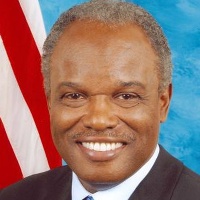
David Scott
Representative
GA
David Scott
Representative
GA
This resolution recognizes polycystic ovary syndrome (PCOS) as a serious health condition that significantly impacts the reproductive, metabolic, and mental well-being of millions of women. It expresses support for designating September as "PCOS Awareness Month" to improve public education, encourage earlier diagnosis, and promote further research into treatments and a potential cure.
The SAFE Act of 2025 amends existing law to include equines (horses) in the prohibition of slaughtering animals for human consumption.

Vern Buchanan
Representative
FL
Vern Buchanan
Representative
FL
The SAFE Act of 2025 amends existing legislation to explicitly prohibit the slaughter of horses for human consumption, reinforcing protections for these animals. This bill seeks to prevent the inhumane treatment of American equines by closing loopholes that allow their slaughter and export for human consumption.
The PAST Act of 2025 significantly strengthens the Horse Protection Act by increasing penalties, banning specific action devices, and mandating licensed inspectors to combat the practice of horse soring.
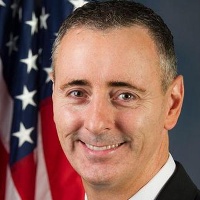
Brian Fitzpatrick
Representative
PA
Brian Fitzpatrick
Representative
PA
The PAST Act of 2025 significantly strengthens the Horse Protection Act to combat the painful practice of soring in specific horse breeds. This bill increases penalties for violations, establishes stricter licensing and oversight for inspectors, and explicitly bans the use of "action devices" designed to cause unnatural gaits. The legislation aims to enhance enforcement, ensure fairer competition, and hold violators accountable through increased fines and disqualifications.
This bill provides increased benefits to surviving spouses of veterans who die from ALS and requires a report on other service-connected disabilities that should receive similar treatment.
Brian Fitzpatrick
Representative
PA
Brian Fitzpatrick
Representative
PA
The Justice for ALS Veterans Act of 2025 provides increased dependency and indemnity compensation to surviving spouses of veterans who die from ALS, regardless of the duration of the illness. To be eligible, the surviving spouse must have been married to the veteran for at least eight years, and the veteran must have died on or after October 1, 2025. Additionally, the bill requires the Secretary of Veterans Affairs to submit a report to Congress identifying other service-connected disabilities that should receive similar treatment as ALS under existing compensation guidelines.
This bill officially renames the Robert E. Lee Memorial as the Arlington House National Historic Site.
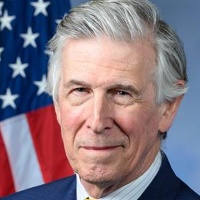
Donald Beyer
Representative
VA
Donald Beyer
Representative
VA
This bill officially redesignates the site currently known as the Robert E. Lee Memorial as the "Arlington House National Historic Site." It mandates that all official U.S. records, maps, and documents be updated to reflect this new name and repeals the previous joint resolutions that established the former designation.
This bill expands income-driven repayment options for parents who have federal student loans.

Maxine Waters
Representative
CA
Maxine Waters
Representative
CA
The "Affordable PLUS Repayment Options for Parents Act of 2025" expands income-contingent and income-based repayment options to parents who have taken out PLUS loans for their children's education. It removes restrictions that previously made PLUS loan borrowers ineligible for income-based repayment plans. The bill defines "partial financial hardship" based on a borrower's income and family size, ensuring more families can qualify for reduced payments. These changes apply to borrowers with outstanding PLUS loans or consolidation loans used to pay off PLUS loans, who are repaying their loans through income-driven repayment plans on or after the enactment date.
The Pell Grant Sustainability Act indexes Federal Pell Grants to inflation to help keep up with the rising costs of college for lower-income students.

Sean Casten
Representative
IL
Sean Casten
Representative
IL
The Pell Grant Sustainability Act aims to increase the buying power of Pell Grants for lower-income students. It indexes the maximum Pell Grant award to inflation, starting with a \$1,060 increase for the 2024-2025 award year, and adjusts it annually based on the Consumer Price Index. This adjustment is added to the maximum Pell Grant specified in the latest appropriation act, ensuring Pell Grants keep pace with rising education costs. The bill also extends provisions of the Higher Education Act related to Pell Grants indefinitely.
This bill regulates large capacity ammunition feeding devices, making it illegal to import, sell, manufacture, transfer, or possess them, with certain exceptions for law enforcement and other entities, and allows for Byrne grants to be used for buy-back programs.

Diana DeGette
Representative
CO
Diana DeGette
Representative
CO
The "Keep Americans Safe Act" aims to regulate large capacity ammunition feeding devices by making it illegal to import, sell, manufacture, transfer, or possess magazines holding more than 15 rounds, with exceptions for law enforcement, government entities, and devices lawfully possessed before the law's enactment. It also permits the use of Byrne grants for buy-back programs of these devices and mandates that newly manufactured devices be marked with identifying information. Violators of this Act will face penalties under existing provisions of Title 18 of the U.S. Code.
The CROWN Act of 2025 prohibits discrimination based on hair texture and hairstyle in federally funded programs, housing, public accommodations, and employment.
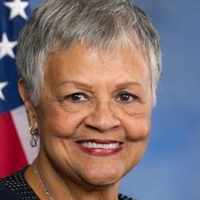
Bonnie Watson Coleman
Representative
NJ
Bonnie Watson Coleman
Representative
NJ
The CROWN Act of 2025 prohibits discrimination based on hair texture and hairstyle if that style is commonly associated with a particular race or national origin. This protection extends to federally funded programs, housing, public accommodations, and employment. The act aims to ensure equal opportunity and prevent discrimination based on hair, addressing historical biases and stereotypes. It clarifies that existing civil rights laws should be interpreted to include protection against hair-based discrimination.
The American Dream and Promise Act of 2025 provides a pathway to permanent residency for eligible individuals who came to the U.S. as children, or who have Temporary Protected Status (TPS) or Deferred Enforced Departure (DED) status.
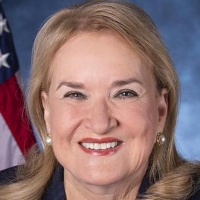
Sylvia Garcia
Representative
TX
Sylvia Garcia
Representative
TX
The American Dream and Promise Act of 2025 provides a pathway to permanent residency for eligible individuals who entered the United States as children and those with Temporary Protected Status (TPS) or Deferred Enforced Departure (DED). Title I, the Dream Act of 2025, establishes conditional permanent residency for eligible individuals who entered the U.S. as children. Title II, the American Promise Act of 2025, allows the Secretary of Homeland Security or the Attorney General to grant permanent resident status to eligible individuals from TPS or DED countries. Title III outlines general provisions, such as background checks, application processes, and fee exemptions, applicable to all seeking to adjust their status under this Act.
The RAISE Act of 2025 introduces a refundable tax credit for eligible teachers and early childhood educators, increases the tax deduction for educator expenses, and provides mandatory funding to support local educational agencies that maintain or increase teacher salaries.

Jahana Hayes
Representative
CT
Jahana Hayes
Representative
CT
The RAISE Act of 2025 introduces a refundable tax credit for eligible teachers, offering $1,000 plus additional amounts for teachers in qualifying schools with high student poverty levels. It also increases the tax deduction for educators' expenses to $500 and expands eligibility to include early childhood educators. Additionally, the Act amends the Elementary and Secondary Education Act to provide mandatory funding to support local educational agencies that maintain or increase teacher salaries, with a portion reserved for teacher salary incentive grants. These grants can be used for various programs aimed at strengthening the teaching profession and improving educator skills.
The "World Language Education Assistance Program Act" aims to improve access to world language programs and dual language programs in schools.
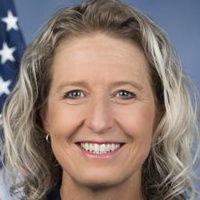
Jennifer Kiggans
Representative
VA
Jennifer Kiggans
Representative
VA
The "World Language Education Assistance Program Act" aims to address the language skills crisis in America by establishing a grant program to create, improve, and implement world language and dual language programs in schools. These grants will support professional development for teachers, partnerships with community-based language schools, and innovative language immersion programs. The act prioritizes programs that demonstrate language proficiency growth, can be replicated, and have a sustainability plan, with the goal of equipping students with the language skills needed for a globalized world. The act authorizes \$15,000,000 for fiscal year 2026 and each subsequent fiscal year to carry out this section.
This bill amends the law to grant non-unionized Postal Service employees in specific supervisory, professional, technical, clerical, administrative, or managerial roles the right to appeal certain employment decisions to the Merit Systems Protection Board.

Gerald Connolly
Representative
VA
Gerald Connolly
Representative
VA
The Postal Employee Appeal Rights Amendment Act of 2025 updates which non-unionized Postal Service employees can appeal certain employment decisions to the Merit Systems Protection Board (MSPB). Specifically, it grants this appeal right to supervisory, professional, technical, clerical, administrative, or managerial employees under the Executive and Administrative Schedule who are not covered by a collective bargaining unit. This legislation clarifies the scope of appeal rights for certain non-bargaining unit personnel within the Postal Service.
The Conrad State 30 and Physician Access Reauthorization Act extends and modifies the Conrad 30 program, which allows foreign physicians to work in underserved areas of the U.S. in exchange for a waiver of certain visa requirements, while also providing employment protections and clarifying immigration procedures for these physicians.
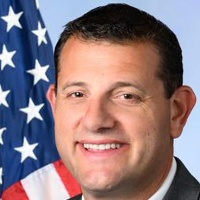
David Valadao
Representative
CA
David Valadao
Representative
CA
The Conrad State 30 and Physician Access Reauthorization Act extends the Conrad State 30 program, which allows foreign physicians to work in underserved areas of the U.S. in exchange for a waiver of certain visa requirements. It modifies requirements for foreign physicians seeking waivers, including employment protections, state waiver limits, and contract requirements. The bill also increases the number of waivers available to states and modifies immigration procedures for physicians, including allowing "dual intent" for medical graduates and clarifying national interest waivers. Finally, it requires an annual report on the Conrad State 30 J1 Visa Waiver Program.
Ethan's Law establishes federal penalties for improperly storing firearms where minors or prohibited persons can access them and creates grant programs to incentivize states to adopt matching safe storage laws.

Rosa DeLauro
Representative
CT
Rosa DeLauro
Representative
CT
Ethan's Law establishes federal requirements for the secure storage of firearms to prevent unauthorized access by minors and prohibited persons, making improper storage a civil violation with escalating penalties if injury or death results. The bill also creates a federal grant program to incentivize states and Tribes to adopt matching safe storage laws. Furthermore, Congress declares that failing to comply with these storage requirements constitutes negligence and may be considered the direct cause of resulting firearm injuries.
This bill ensures Medicare patients can continue receiving physical therapy services without interruption by allowing temporary substitute therapists ("locum tenens") to be covered when a physical therapist is temporarily unavailable.

Gus Bilirakis
Representative
FL
Gus Bilirakis
Representative
FL
The "Prevent Interruptions in Physical Therapy Act of 2025" ensures Medicare beneficiaries can continue receiving uninterrupted physical therapy services. It allows physical therapists to utilize temporary staffing arrangements, known as "locum tenens," when the regular therapist is temporarily unavailable. This ensures Medicare payments for services provided by qualified substitute physical therapists, maintaining consistent care for patients.
Ensures Coast Guard members receive pay and benefits during funding lapses, comparable to other armed forces, by providing continued funding for salaries, benefits, and essential services.
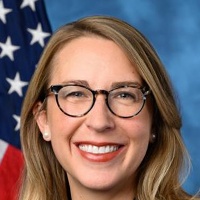
Hillary Scholten
Representative
MI
Hillary Scholten
Representative
MI
The "Pay Our Coast Guard Parity Act of 2025" ensures that Coast Guard members receive equitable pay and benefits compared to other branches of the Armed Forces. During a Coast Guard-specific funding lapse, the bill guarantees continued pay for Coast Guard military members, qualified civilian and contract employees, death gratuities, funeral travel, and basic housing allowance for dependents of Coast Guard members who die on active duty. This funding continues as long as Department of Defense funding is available, up to two weeks after a Coast Guard-specific funding lapse begins. The bill affirms the Coast Guard as a military service and aims to provide financial security to its members during funding uncertainties.
The American Victims of Terrorism Compensation Act amends the Justice for United States Victims of State Sponsored Terrorism Act to increase funding for victims of state-sponsored terrorism by redirecting forfeited assets and requiring annual payments to eligible claimants.
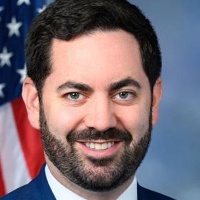
Michael Lawler
Representative
NY
Michael Lawler
Representative
NY
The American Victims of Terrorism Compensation Act amends the Justice for United States Victims of State Sponsored Terrorism Act to increase funding for victims of state-sponsored terrorism by redirecting forfeited assets and penalties into the United States Victims of State Sponsored Terrorism Fund. It mandates specific deposit timelines for forfeited funds, requires annual pro rata payments to eligible claimants beginning in 2026, and enhances transparency through detailed annual reports on fund activity. The Act also allows for the use of Department of Justice personnel to aid in the administration of the fund and ensures a supplemental payment to those already approved for fifth-round payments.
The "DOC Access Act of 2025" aims to improve dental and vision care coverage by ensuring fair payment practices, protecting providers' choices, and upholding state regulatory authority.
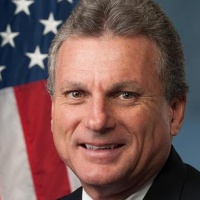
Earl Carter
Representative
GA
Earl Carter
Representative
GA
The "DOC Access Act of 2025" aims to enhance health care coverage under vision and dental plans by ensuring fair payment practices, protecting doctors' choices in labs and suppliers, and respecting state laws. It allows optometrists and dentists to charge their standard rate for non-covered services if the plan's payment is unreasonable, while ensuring they can only charge the contracted rate for dental cleanings. The bill also gives doctors more control over agreement extensions with limited benefit plans and allows them to opt out of certain provisions. Ultimately, this act seeks to balance federal guidelines with state oversight in regulating health insurance issuers and dental or vision benefit plans.
This resolution designates February 24–28, 2025, as "Public Schools Week" to celebrate the vital role of public education and advocate for the continued support and funding of our nation's schools.
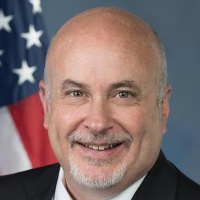
Mark Pocan
Representative
WI
Mark Pocan
Representative
WI
This resolution designates February 24–28, 2025, as "Public Schools Week" to celebrate the vital role public education plays in preparing students for the future. It reaffirms the commitment to providing every child with a high-quality, inclusive, and well-funded learning environment. Additionally, the bill calls on lawmakers to prioritize equitable resources and support services to ensure student success.