Legislative Activity
Track Suzan's sponsored bills, co-sponsored legislation, and voting record
This resolution expresses Congressional support for designating May 2025 as Progressive Supranuclear Palsy Awareness Month to promote awareness, support patients, and encourage research for this devastating brain disease.
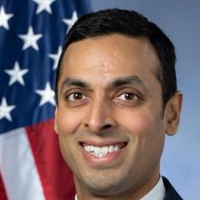
Suhas Subramanyam
Representative
VA
Suhas Subramanyam
Representative
VA
This resolution expresses the support of Congress for designating May 2025 as Progressive Supranuclear Palsy (PSP) Awareness Month. The designation aims to bring national attention to the serious, progressive brain disease that currently has no cure. By raising awareness, the bill seeks to support patients, improve diagnosis, and boost research efforts for better treatments.
The Menstrual Equity For All Act of 2025 mandates the provision of free menstrual products across schools, correctional facilities, federal buildings, and workplaces, while also expanding coverage under Medicaid and eliminating sales tax on these essential items.

Grace Meng
Representative
NY
Grace Meng
Representative
NY
The Menstrual Equity For All Act of 2025 aims to eliminate period poverty by ensuring access to free menstrual products across various sectors of society. This comprehensive bill mandates the availability of these essential supplies in K-12 schools, colleges, correctional facilities, federal buildings, and workplaces with over 100 employees. Furthermore, it expands coverage under Medicaid, allocates specific funding through social service block grants and TANF programs, and prohibits states from taxing menstrual products.
The Fit to Serve Act prohibits discrimination against service members and recruits in the Armed Forces based on their gender identity.
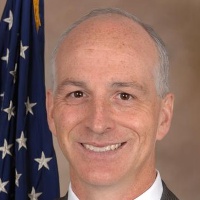
Adam Smith
Representative
WA
Adam Smith
Representative
WA
The Fit to Serve Act prohibits the U.S. Armed Forces from discriminating against service members based on their gender identity. This means military branches cannot set different standards, involuntarily discharge personnel, or deny medically necessary healthcare due to a service member's gender identity. The bill ensures equal opportunity for joining, serving, and receiving care regardless of one's internal sense of self.
The ANCHOR for Military Families Act mandates comprehensive and timely delivery of detailed relocation assistance information, especially regarding educational support, to service members and their families before a permanent change of station.
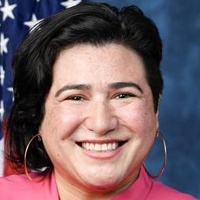
Emily Randall
Representative
WA
Emily Randall
Representative
WA
The ANCHOR for Military Families Act aims to significantly improve how the military informs service members and their families about available relocation assistance programs before a Permanent Change of Station (PCS). This bill mandates the delivery of comprehensive, accessible information packets covering housing, education (including school enrollment rules), and mental health support at least 45 days prior to a move. Furthermore, it requires the Department of Defense to report annually to Congress on the implementation and effectiveness of these new information delivery standards.
The Real Education and Access for Healthy Youth Act of 2025 establishes federal grant programs to fund comprehensive, evidence-informed, and culturally responsive sex education and youth-friendly sexual health services, prioritizing underserved communities.
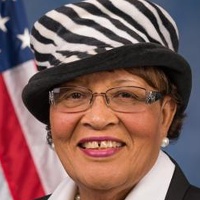
Alma Adams
Representative
NC
Alma Adams
Representative
NC
The Real Education and Access for Healthy Youth Act of 2025 aims to establish comprehensive, evidence-based, and culturally responsive sex education and health services for young people aged 10 to 29. The bill creates competitive grant programs to fund sex education in K-12 schools and higher education, support educator training, and improve access to youth-friendly sexual health services, especially for underserved communities. It explicitly mandates that all funded programs must be medically accurate, inclusive of all identities, and centered on principles of consent and reproductive justice. The Act authorizes $100 million annually and repeals prior funding streams dedicated to abstinence-only education.
The DEFIANCE Act of 2025 establishes a federal civil right of action against the creation, possession with intent to share, or sharing of nonconsensual sexually explicit digital forgeries, or "deepfakes."
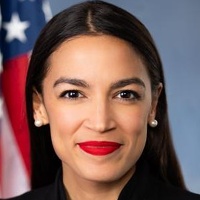
Alexandria Ocasio-Cortez
Representative
NY
Alexandria Ocasio-Cortez
Representative
NY
The DEFIANCE Act of 2025 establishes a federal civil cause of action against the creation, possession with intent to share, or sharing of nonconsensual intimate digital forgeries, often known as deepfakes. This legislation updates existing law to specifically address image-based sexual abuse created through AI or digital manipulation, regardless of whether the image is labeled as fake. Victims can sue for significant statutory damages, attorney's fees, and injunctive relief to stop the spread of the harmful content. The Act ensures that this new federal standard does not preempt or limit stronger existing State or Tribal laws.
This act establishes fixed, non-renewable 18-year terms for future Supreme Court Justices and outlines a staggered appointment schedule, while also creating a temporary mechanism for filling vacancies below the nine-justice quorum.

Henry Johnson
Representative
GA
Henry Johnson
Representative
GA
The Supreme Court Tenure Establishment and Retirement Modernization Act of 2025 establishes fixed, non-renewable 18-year terms for all future Supreme Court Justices, with appointments staggered every two years. This legislation also outlines a process for phasing out current Justices upon the confirmation of new appointees. Finally, it grants the Chief Justice the authority to temporarily fill sudden vacancies below the standard nine-justice level using a randomly selected retired Justice.
This Act phases out the captivity of African and Asian elephants in U.S. zoos and safari parks by mandating their transfer to accredited, non-breeding wildlife sanctuaries within three years.
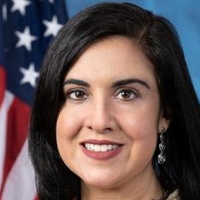
Nicole Malliotakis
Representative
NY
Nicole Malliotakis
Representative
NY
The Captivity of Helpless Elephants Reduction Act of 2025, or CHER Act, aims to end the captivity of African and Asian elephants in U.S. zoos and safari parks. This legislation bans the display, care, and breeding of these elephants in such facilities one year after enactment. The bill mandates that all current captive elephants must be transferred to authorized, accredited wildlife sanctuaries within three years. The Secretary of Agriculture is tasked with overseeing this transition, including conducting feasibility studies and potentially establishing grant programs to support the sanctuaries.
This Act establishes a new federal grant program to provide operating support for high-quality public transit that prioritizes service improvements in underserved communities, while also increasing the federal share for rural transit operating costs.
Henry Johnson
Representative
GA
Henry Johnson
Representative
GA
The Stronger Communities through Better Transit Act establishes a new federal grant program to provide operating support for high-quality public transit services. This funding is specifically targeted to improve mobility and environmental outcomes, with a requirement that the majority of funds benefit underserved communities or areas of persistent poverty. The Act also increases the federal share for rural transit operating assistance up to 80%.
This Act codifies the Six Assurances made to Taiwan and establishes a mandatory Congressional review process for any executive action that would alter U.S. policy regarding arms sales, mediation, or Taiwan's sovereignty status.
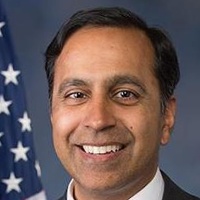
Raja Krishnamoorthi
Representative
IL
Raja Krishnamoorthi
Representative
IL
The Six Assurances to Taiwan Act codifies the historical U.S. commitments known as the Six Assurances, reinforcing the foundation of U.S. policy toward Taiwan. It explicitly states that the U.S. has not agreed to set a date for ending arms sales or to consult with Beijing on those sales. Furthermore, the Act establishes a mandatory Congressional review process before the President can pause arms sales or take actions that significantly alter the U.S. position on Taiwan's sovereignty. This legislation aims to ensure stability in the Taiwan Strait by upholding these long-standing policy guidelines.
This Act mandates the delivery of documents and a report regarding the proposed transfer of an aircraft from Qatar to a Trump-controlled entity, while prohibiting federal funding for such transfers.
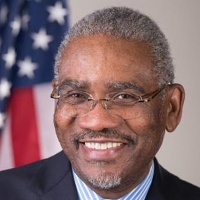
Gregory Meeks
Representative
NY
Gregory Meeks
Representative
NY
This bill mandates the Secretary of State to immediately provide Congress with all documents and a detailed report concerning the proposed transfer of an aircraft from Qatar to an entity controlled by former President Trump. Furthermore, it prohibits the use of any federal funding for aircraft transfers involving foreign governments to the U.S. Government, the President, or the Trump Presidential Library. The Act aims to ensure transparency and halt federal financial support for these specific property transfers.
This resolution supports designating May 10, 2025, as "National Asian American, Native Hawaiian, and Pacific Islander Mental Health Day" to raise awareness and encourage action to address the mental health crisis in these communities.
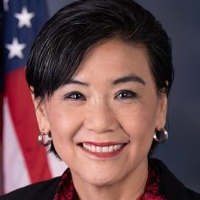
Judy Chu
Representative
CA
Judy Chu
Representative
CA
This resolution supports designating May 10, 2025, as "National Asian American, Native Hawaiian, and Pacific Islander Mental Health Day." It highlights the severe mental health disparities and lack of access to care within AANHPI communities. The bill encourages federal agencies to improve culturally and linguistically appropriate services to better address the unique needs of these diverse populations.
This bill prohibits the use of federal funds to implement Executive Order 14160, which sought to limit birthright citizenship guaranteed by the Fourteenth Amendment.
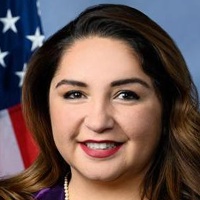
Delia Ramirez
Representative
IL
Delia Ramirez
Representative
IL
The Born in the USA Act of 2025 declares that Executive Order 14160, which attempted to restrict birthright citizenship, is unconstitutional and contrary to the 14th Amendment. This Act prohibits the use of any federal funds to implement or enforce that Executive Order. It affirms the established constitutional right to birthright citizenship for nearly everyone born on U.S. soil.
The CHEERS Act expands tax deductions for energy-efficient draft beer equipment used in restaurants, bars, and entertainment venues.
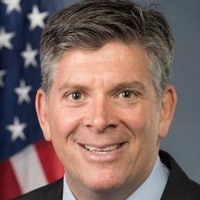
Darin LaHood
Representative
IL
Darin LaHood
Representative
IL
The CHEERS Act amends tax law to allow businesses like restaurants and bars to claim tax deductions for installing specific energy-efficient draft beer equipment. This provision expands eligibility under Section 179D for stainless steel or aluminum kegs and associated dispensing systems. The goal is to incentivize the adoption of energy-saving technology in the hospitality industry starting in 2025.
This bill directs the National Advisory Council on Nurse Education and Practice to investigate the national nursing shortage and report recommendations for strengthening the nursing workforce within one year.

Jim Costa
Representative
CA
Jim Costa
Representative
CA
The MORE Nurses Act mandates a comprehensive, one-year study by the National Advisory Council on Nurse Education and Practice to investigate the growing national nursing shortage. This investigation will analyze current workforce capacity, training limitations, and the impact of existing federal policies. The Council is required to deliver a final report to Congress and the President detailing its findings and offering specific legislative recommendations to strengthen nursing education and the workforce.
This Act establishes a national strategy to combat mental health stigma and improve behavioral health services, research, and workforce diversity within Asian American, Native Hawaiian, and Pacific Islander (AANHPI) communities.
Judy Chu
Representative
CA
Judy Chu
Representative
CA
The Stop Mental Health Stigma in Our Communities Act of 2025 aims to address the significant mental health disparities and high suicide rates within Asian American, Native Hawaiian, and Pacific Islander (AANHPI) communities. The bill mandates the creation of a national behavioral health outreach strategy tailored to the diverse AANHPI population to reduce stigma and increase culturally competent care. Furthermore, it requires comprehensive systematic reviews and reports on the AANHPI youth mental health crisis and strategies to increase the number of AANHPI behavioral health professionals.
This bill establishes Medicare Part B and Medicaid coverage, payment structures, and reporting requirements for FDA-approved Prescription Digital Therapeutics (PDTs) starting in 2026.
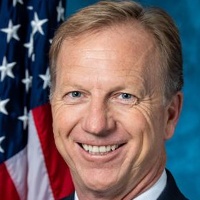
Kevin Hern
Representative
OK
Kevin Hern
Representative
OK
This bill, the Access to Prescription Digital Therapeutics Act of 2025, establishes coverage and payment pathways for FDA-cleared Prescription Digital Therapeutics (PDTs) under Medicare Part B starting in 2026. It mandates the Secretary to develop payment methodologies based on private payer rates and requires manufacturers to report utilization and pricing data to ensure fair reimbursement. Furthermore, the Act expands Medicaid's authority to cover these software-based medical treatments when prescribed to beneficiaries.
This act modifies the student loan interest deduction limit for married couples filing separately, applying the \$2,500 cap to each spouse individually.
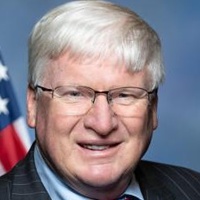
Glenn Grothman
Representative
WI
Glenn Grothman
Representative
WI
The Student Loan Marriage Penalty Elimination Act of 2025 aims to adjust the student loan interest deduction for married couples filing separately. This bill caps the deductible student loan interest at \$2,500 per individual spouse. It ensures that taxpayers cannot claim the same interest amount under multiple deduction provisions.
This bill officially designates the Museum of Pop Culture in Seattle, Washington, as the National Museum of Pop Culture without changing its operational status or federal funding obligations.
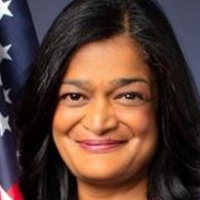
Pramila Jayapal
Representative
WA
Pramila Jayapal
Representative
WA
This Act officially designates the Museum of Pop Culture in Seattle, Washington, as the National Museum of Pop Culture. This designation is purely honorary and does not change the museum's operational status or obligate the federal government to provide funding.
This Act mandates that health plans cover medically necessary treatment for congenital anomalies or birth defects affecting the eyes, ears, teeth, mouth, or jaw to restore normal function and appearance.
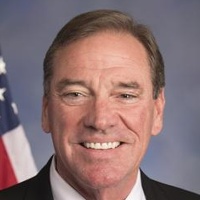
Neal Dunn
Representative
FL
Neal Dunn
Representative
FL
The Ensuring Lasting Smiles Act mandates that group health plans and insurance policies provide comprehensive coverage for medically necessary treatment related to congenital anomalies or birth defects affecting the eyes, ears, teeth, mouth, or jaw. This coverage must include services needed to restore normal function and appearance, including necessary dental and orthodontic support. Plans must apply cost-sharing rules no more restrictive than those for other medical benefits, excluding purely cosmetic procedures.