Legislative Activity
Track Suzan's sponsored bills, co-sponsored legislation, and voting record
The We Can't Wait Act of 2026 allows individuals to elect to receive Social Security disability insurance benefits during the mandatory waiting period in exchange for a permanently reduced monthly benefit amount.
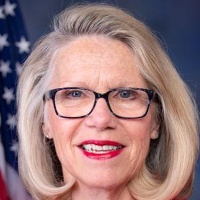
Carol Miller
Representative
WV
Carol Miller
Representative
WV
The We Can't Wait Act of 2026 allows individuals to elect to receive Social Security disability insurance benefits during the mandatory waiting period. To maintain fiscal neutrality for the Disability Insurance Trust Fund, participants who choose this option will receive a permanently reduced monthly benefit amount. The Social Security Administration is required to provide online tools and resources to help applicants understand and manage these election choices.
The BAD DEAL Act of 2026 repeals outdated trade discrimination authorities under the Tariff Act of 1930 and mandates the refund of tariffs collected under those provisions.
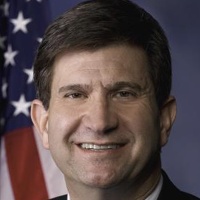
Bradley Schneider
Representative
IL
Bradley Schneider
Representative
IL
The Banning Antiquated Duties and Delivering Equitable American Levies (BAD DEAL) Act of 2026 repeals Section 338 of the Tariff Act of 1930, effectively ending the President's authority to impose trade-related retaliatory duties under that provision. The bill further mandates the nullification of all existing presidential proclamations issued under this authority and requires the federal government to refund all tariffs previously collected as a result of these actions.
This bill clarifies that federal income tax exemptions for nonprofits and certain retirement plans do not constitute "federal financial assistance" under federal law.
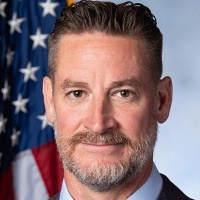
W. Steube
Representative
FL
W. Steube
Representative
FL
The Safeguarding America’s Nonprofits Act clarifies that federal tax-exempt status for nonprofits and similar organizations does not constitute "federal financial assistance." This ensures that these organizations are not subject to federal regulations or requirements triggered specifically by the receipt of government financial aid.
This bill prohibits the Treasury Secretary from entering into or recognizing agreements that influence the federal tax matters of the President, their family, or related persons while in office, while mandating public disclosure of any such attempts.
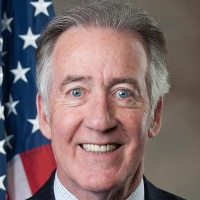
Richard Neal
Representative
MA
Richard Neal
Representative
MA
The Presidential Tax Accountability and Audit Integrity Act prohibits the Secretary of the Treasury from entering into or recognizing any agreements that attempt to influence or settle federal tax matters for the President, their family, or related business entities while in office. The bill mandates public reporting of any such attempts and grants the IRS extended authority to assess taxes for these individuals. These measures ensure transparency and prevent the use of executive power to bypass standard tax enforcement procedures.
The Protect American Values Act prohibits the use of federal funds to implement or enforce the Department of Homeland Security’s "Public Charge Ground of Inadmissibility" rule.
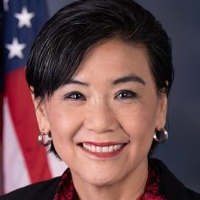
Judy Chu
Representative
CA
Judy Chu
Representative
CA
The Protect American Values Act seeks to block the implementation and enforcement of the Department of Homeland Security’s "Public Charge Ground of Inadmissibility" rule. The bill asserts that this policy harms immigrant families and local economies by restricting access to essential food, housing, and medical care. Consequently, it prohibits the use of federal funds to carry out or administer the rule.
The TPS Review Act strengthens judicial oversight and establishes congressional review for decisions to terminate Temporary Protected Status, ensuring that such actions are evidence-based and subject to legal challenge.
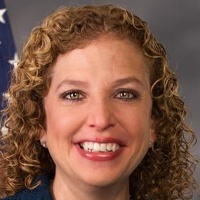
Debbie Wasserman Schultz
Representative
FL
Debbie Wasserman Schultz
Representative
FL
The Temporary Protected Status (TPS) Review Act strengthens oversight of government decisions to terminate TPS designations by reinstating judicial review and requiring that such decisions be supported by a comprehensive administrative record. The bill also subjects TPS terminations to congressional review under the Congressional Review Act, ensuring these decisions are subject to greater accountability. Additionally, it provides legal protections for beneficiaries by automatically staying terminations during the pendency of any legal challenges.
The Right to IVF Act of 2026 establishes a nationwide right to fertility care, mandates comprehensive insurance coverage for reproductive services, and expands access to fertility treatments for veterans and federal employees.
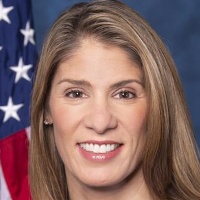
Lori Trahan
Representative
MA
Lori Trahan
Representative
MA
The Right to IVF Act of 2026 establishes a nationwide statutory right to access assisted reproductive technology (ART) and intrauterine insemination (IUI) while prohibiting states from imposing restrictive barriers. The bill further expands family-building support by mandating comprehensive fertility coverage across private insurance, Medicare, Medicaid, and federal employee health plans. Additionally, it guarantees expanded access to fertility services and preservation for military service members and veterans.
This bill reauthorizes the Accelerating Access to Critical Therapies for ALS Act through 2031 while enhancing grant oversight, safety reporting requirements, and FDA strategic planning for rare neurodegenerative diseases.

Mike Quigley
Representative
IL
Mike Quigley
Representative
IL
The Accelerating Access to Critical Therapies for ALS Reauthorization Act of 2026 extends vital funding for ALS research and clinical trial programs through 2031. This legislation strengthens oversight by enhancing grant review processes, improving safety reporting requirements, and mandating a comprehensive five-year FDA action plan to accelerate the development of treatments for rare neurodegenerative diseases.
This bill authorizes a seven-year grant program for the National Law Enforcement Officers Memorial Fund to support the National Law Enforcement Museum’s educational, community outreach, and officer wellness initiatives.
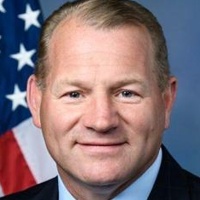
Troy Nehls
Representative
TX
Troy Nehls
Representative
TX
The National Law Enforcement Officers Remembrance, Support, and Community Outreach Act authorizes $6 million in annual grants over seven years to the National Law Enforcement Officers Memorial Fund. These funds will support the National Law Enforcement Museum’s public education, community outreach, and officer safety and wellness programs. As a condition of the grant, the museum must provide free admission to law enforcement officers and their families, as well as dedicated free hours for the general public.
The "Combating Illicit Xylazine Act" aims to combat the misuse of xylazine by adding it to Schedule III of the Controlled Substances Act, tracking its distribution, and ensuring appropriate penalties for related offenses, while also protecting legitimate veterinary use.
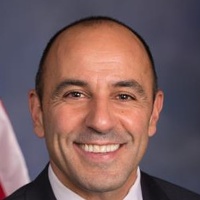
Jimmy Panetta
Representative
CA
Jimmy Panetta
Representative
CA
The "Combating Illicit Xylazine Act" aims to combat the illegal use of xylazine by adding it to Schedule III of the Controlled Substances Act, which would allow for increased regulation and tracking of the substance. The bill includes exemptions and delayed effective dates for certain requirements to ease the transition for legitimate users, such as veterinarians and animal handlers. It also directs the Sentencing Commission to review sentencing guidelines for xylazine-related offenses and mandates reports to Congress on the prevalence and impact of illicit xylazine use. Finally, it will include xylazine in Arcos tracking.
This bill mandates the Federal Energy Regulatory Commission to hold a technical conference and report on strategies to shield residential and small commercial utility customers from rising energy costs driven by large AI data centers.
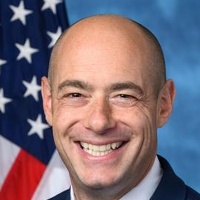
Greg Landsman
Representative
OH
Greg Landsman
Representative
OH
This bill, the Protecting Families from AI Data Center Energy Costs Act, directs the Federal Energy Regulatory Commission (FERC) to convene a technical conference on strategies to shield residential and small commercial utility customers from rising energy costs driven by large loads like AI data centers. Following the conference, FERC must submit a report to Congress detailing recommendations and best practices. The goal is to ensure utility costs remain manageable for everyday families and small businesses.
This resolution recognizes July 21, 2026, as Black Women’s Equal Pay Day to raise awareness of the persistent wage gap and reaffirm the commitment to achieving pay equity.
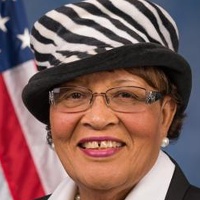
Alma Adams
Representative
NC
Alma Adams
Representative
NC
This resolution recognizes July 21, 2026, as Black Women’s Equal Pay Day to highlight the persistent and significant wage gap between Black women and white, non-Hispanic men. It calls attention to the systemic racial and gender-based barriers contributing to this disparity and reaffirms a commitment to achieving true pay equity.
The Justice for Incarcerated Moms Act aims to improve maternal health outcomes for incarcerated individuals by prohibiting the shackling of pregnant prisoners and establishing federal and state programs to provide comprehensive prenatal and postpartum care.
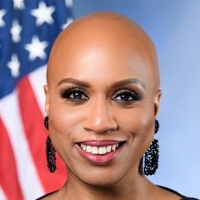
Ayanna Pressley
Representative
MA
Ayanna Pressley
Representative
MA
The Justice for Incarcerated Moms Act aims to improve maternal health outcomes and reduce disparities for pregnant and postpartum individuals in the criminal justice system. The bill mandates the end of shackling for pregnant individuals in federal and state facilities and establishes comprehensive model programs to provide prenatal and postpartum care. Additionally, it creates a grant program for state and local facilities to improve maternal health services and requires a federal report to identify and address systemic barriers to care.
The Child Marriage Prevention Act of 2026 establishes a federal commission, provides state incentives, and reforms immigration policies to eliminate child marriage and protect minors from its associated health, safety, and economic risks.
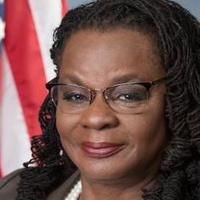
Gwen Moore
Representative
WI
Gwen Moore
Representative
WI
The Child Marriage Prevention Act of 2026 aims to eliminate child marriage across the United States by establishing a national commission, incentivizing states to set the minimum marriage age at 18, and implementing stricter federal and immigration standards. The bill addresses the severe health, safety, and economic risks associated with child marriage by providing resources for state task forces and creating a model statute for uniform legal protections. Additionally, it mandates comprehensive reporting and public education campaigns to protect minors from forced or coerced unions.
This bill mandates electronic prior authorization, increases transparency through required data reporting, and establishes faster decision timelines for Medicare Advantage plans to improve timely access to care for seniors.
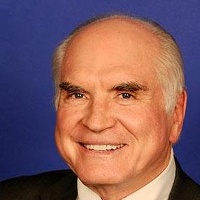
Mike Kelly
Representative
PA
Mike Kelly
Representative
PA
The Improving Seniors’ Timely Access to Care Act of 2025 aims to streamline and modernize the prior authorization process within Medicare Advantage plans. This bill mandates the adoption of electronic prior authorization systems and significantly increases transparency regarding approval rates and decision times starting in 2027. Furthermore, it establishes new enrollee protections and grants the Secretary authority to enforce faster decision timeframes for medical services.
The Patients First Act of 2026 reforms Medicare physician payment systems to ensure more stable, predictable reimbursement for providers while improving patient access to primary care and value-based services.
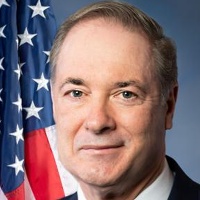
John Joyce
Representative
PA
John Joyce
Representative
PA
The Patients First Act of 2026 is comprehensive legislation designed to stabilize Medicare physician payments, improve patient access to primary care, and transition the current quality reporting system to a more clinician-led framework. By modernizing reimbursement formulas, reducing financial volatility for providers, and increasing transparency in value-based care models, the bill aims to ensure a more sustainable and predictable healthcare environment. These reforms seek to lower out-of-pocket costs for patients while supporting the long-term viability of medical practices.
The Drug Deal Disclosure Act mandates the creation of a public, searchable database detailing federal agreements with drug manufacturers regarding pricing, special treatment, and import provisions.
Judy Chu
Representative
CA
Judy Chu
Representative
CA
The Drug Deal Disclosure Act requires the Secretary of Health and Human Services to create a public, searchable database of federal agreements with drug manufacturers regarding pricing and special treatment provisions. The bill mandates transparency for these agreements, prohibiting redactions based on political sensitivity or reputational harm. Additionally, it requires the CBO and GAO to conduct a joint analysis on the economic and budgetary impacts of these agreements on the U.S. healthcare system.
This resolution designates July 10th as Journeyman Lineworkers Recognition Day to honor the essential service and sacrifices of the professionals who maintain our nation’s power grid.

Linda Sánchez
Representative
CA
Linda Sánchez
Representative
CA
This resolution designates July 10th as Journeyman Lineworkers Recognition Day to honor the essential, high-risk work performed by these skilled professionals. It pays tribute to the lineworkers who provide critical service during emergencies and recognizes those who have made the ultimate sacrifice in the line of duty.
This bill authorizes the National Taxpayer Advocate to file amicus curiae briefs in federal tax cases concerning broad taxpayer rights issues.
W. Steube
Representative
FL
W. Steube
Representative
FL
The Taxpayer Advocate Participation Act authorizes the National Taxpayer Advocate to participate as an *amicus curiae* (friend of the court) in federal tax cases. This allows the Advocate to present views on issues that broadly affect taxpayer rights, especially those outlined in the Taxpayer Bill of Rights. Federal courts are required to grant the Advocate's application to appear for this purpose.
This bill supports the goals of Alzheimer's and Brain Awareness Month by encouraging education, advocacy for research and care, and support for those affected by Alzheimer's disease.
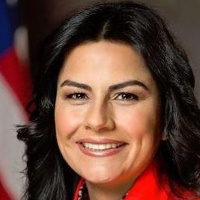
Nanette Barragán
Representative
CA
Nanette Barragán
Representative
CA
This resolution officially designates June as Alzheimer's and Brain Awareness Month. It highlights the widespread impact of Alzheimer's disease, including rising prevalence, significant caregiver strain, and health disparities. The measure encourages public education, advocacy for research and support services, and support for those affected by the disease.