
Legislative Activity
Track Lloyd's sponsored bills, co-sponsored legislation, and voting record
This bill mandates dedicated, funded resources for specialized 988 Suicide Prevention Lifeline services for LGBTQ+ youth.
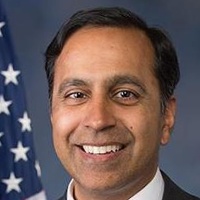
Raja Krishnamoorthi
Representative
IL
Raja Krishnamoorthi
Representative
IL
The **988 LGBTQ+ Youth Access Act of 2025** addresses the high rates of suicide risk among LGBTQ youth by strengthening specialized support through the national crisis hotline. This bill mandates that dedicated resources and services, such as a specific dialing option, must be maintained for LGBTQ individuals contacting 988. Furthermore, it requires that at least 9 percent of appropriated funds for the hotline be specifically reserved to ensure these specialized services for LGBTQ youth remain fully operational.
This bill updates federal grants to fund training programs that help low-income individuals enter and advance in health care careers, with specific provisions for individuals with past records and maternal health workers.
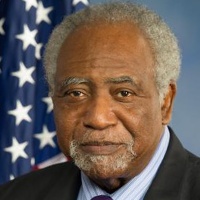
Danny Davis
Representative
IL
Danny Davis
Representative
IL
This bill, the Pathways to Health Careers Act, updates and funds the Health Profession Opportunity Grants (HPOG) program to train low-income individuals for careers in the health professions. It establishes rigorous application requirements for grantees, mandating comprehensive support services like childcare and career coaching to ensure participant success. The legislation also sets aside specific funding for demonstration projects focused on helping individuals with past records and expanding maternal health workforce roles.
The FAMILY Act establishes a national paid family and medical leave insurance program administered by the Social Security Administration, providing benefits for caregiving related to serious health conditions or victims of violence.

Rosa DeLauro
Representative
CT
Rosa DeLauro
Representative
CT
The FAMILY Act establishes a national Paid Family and Medical Leave Insurance program administered by a new office within the Social Security Administration. This program provides monthly benefits to eligible individuals who take time off for qualified caregiving reasons, including serious health conditions or victims of violence. The Act also sets forth detailed eligibility requirements, benefit calculation formulas, and job protection guarantees for employees utilizing the leave. Finally, it creates a funding mechanism to support existing state-level paid leave programs that meet federal standards.
The FAIR Act of 2025 invalidates pre-dispute arbitration agreements and joint-action waivers for employment, consumer, antitrust, and civil rights claims, while preserving the right to voluntary arbitration after a dispute arises.
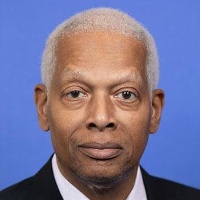
Henry Johnson
Representative
GA
Henry Johnson
Representative
GA
The FAIR Act of 2025 invalidates pre-dispute arbitration agreements and class action waivers for employment, consumer, antitrust, and civil rights claims. This law restores the right for individuals to pursue these disputes in court or through collective legal action. The provisions apply to all covered disputes arising on or after the date the Act is enacted.
The AWARE Act directs the FTC to create educational guides for families on the safe and responsible use of AI chatbots by minors.
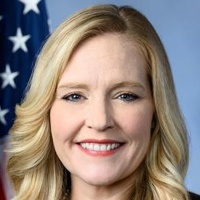
Erin Houchin
Representative
IN
Erin Houchin
Representative
IN
The AI Warnings And Resources for Education (AWARE) Act directs the Federal Trade Commission (FTC) to develop and release educational materials for families about the safe and responsible use of AI chatbots by minors. These resources must clearly explain safety risks, data privacy concerns, and offer best practices for parental supervision. The FTC is required to model these new guides after their existing "Youville" educational program.
The George Floyd Justice in Policing Act of 2025 comprehensively reforms policing by increasing accountability, mandating transparency through data collection, restricting dangerous tactics, and prohibiting sexual misconduct by officials acting under color of law.
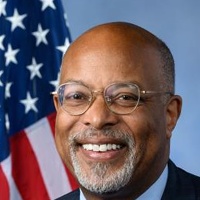
Glenn Ivey
Representative
MD
Glenn Ivey
Representative
MD
The George Floyd Justice in Policing Act of 2025 is a comprehensive bill designed to increase police accountability and transparency nationwide through federal mandates and funding incentives. It reforms standards for prosecuting civil rights violations, eliminates qualified immunity, and establishes national registries for police misconduct and use-of-force data. Furthermore, the Act bans specific dangerous police tactics like chokeholds and restricts the transfer of military equipment to local departments.
This resolution expresses the House of Representatives' disapproval of the planned WISeR Model, asserting that its expansion of prior authorization requirements will undermine beneficiary access to necessary healthcare.
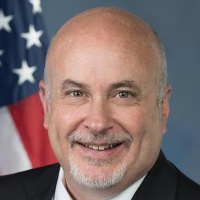
Mark Pocan
Representative
WI
Mark Pocan
Representative
WI
This resolution expresses the sense of the House of Representatives opposing the implementation of the proposed Wasteful and Inappropriate Service Reduction (WISeR) Model. The House believes this model would severely undermine beneficiary access to necessary healthcare by significantly expanding prior authorization requirements in traditional Medicare. It urges the Centers for Medicare and Medicaid Services to terminate the plan due to concerns over patient access and the poor track record of private entities managing these reviews.
This resolution demands the President provide the House with documents detailing the Department of Government Efficiency's access to and planned use of a cloud copy of the Social Security Administration's NUMIDENT database.
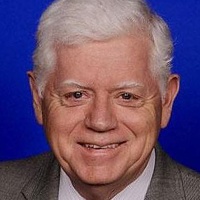
John Larson
Representative
CT
John Larson
Representative
CT
This resolution is a formal request from the House of Representatives demanding the President provide specific documents regarding the Department of Government Efficiency's access to and use of sensitive Social Security Administration (SSA) data, particularly the NUMIDENT database. Congress seeks detailed information on the creation of a cloud copy of NUMIDENT, including its intended uses, security assessments, and who has been granted access. The inquiry specifically targets records concerning data usage for federal audits, benefit denials, AI training, and potential private sales.
This bill posthumously awards a Congressional Gold Medal to honor the groundbreaking civil rights achievements of Constance Baker Motley and authorizes the production and sale of bronze duplicates.
Rosa DeLauro
Representative
CT
Rosa DeLauro
Representative
CT
This bill, the Congressional Tribute to Constance Baker Motley Act of 2025, posthumously awards the Congressional Gold Medal to the pioneering civil rights attorney and federal judge, Constance Baker Motley. The legislation recognizes her historic achievements, including her role in *Brown v. Board of Education* and her service as the first African-American woman appointed as a federal judge. The Secretary of the Treasury is authorized to strike the medal, and provisions are made for selling bronze duplicates to cover production costs.
This constitutional amendment grants Congress and the states the power to set reasonable limits on campaign spending by individuals and entities to ensure fair elections, while explicitly protecting freedom of the press.
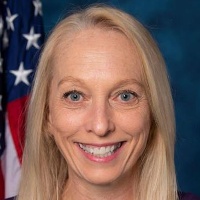
Mary Scanlon
Representative
PA
Mary Scanlon
Representative
PA
This proposed constitutional amendment grants Congress and the states the authority to establish reasonable limits on campaign spending by candidates and outside groups to ensure fair elections. It allows for different spending regulations for individuals versus corporations or other entities. Crucially, this new power cannot be used to restrict the freedom of the press.
This Act strengthens enforcement for humane animal transport and prohibits the interstate movement of unfit livestock, with an exception for veterinary care.
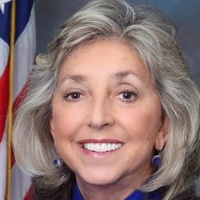
Dina Titus
Representative
NV
Dina Titus
Representative
NV
The Humane Transport of Farmed Animals Act strengthens oversight of animal transportation by establishing new inspection and investigation powers for federal agencies. It also strictly prohibits the interstate movement of livestock deemed unfit to travel, based on established international animal health standards. This ensures that only healthy and capable animals are shipped across state lines, with an exception made only for necessary veterinary care.
This Act establishes sanctions against Pakistani officials undermining democracy and human rights, while urging the U.S. government to promote democratic institutions in Pakistan until September 30, 2030.
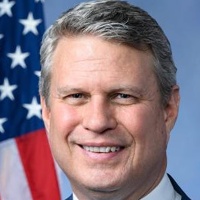
Bill Huizenga
Representative
MI
Bill Huizenga
Representative
MI
The Pakistan Freedom and Accountability Act expresses strong U.S. support for democracy and human rights in Pakistan, citing concerns over military influence and recent election interference. This legislation directs the President to identify and impose sanctions on Pakistani officials responsible for undermining democratic processes or committing serious human rights abuses. The Act emphasizes the need for civilian control over the military and sets an expiration date for its provisions in September 2030.
The **Congressional Power of the Purse Act** strengthens Congress's control over impoundment, mandates detailed federal spending transparency, and tightens oversight on the declaration and termination of national emergencies.
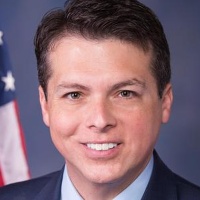
Brendan Boyle
Representative
PA
Brendan Boyle
Representative
PA
The Congressional Power of the Purse Act is a comprehensive bill designed to reassert Congressional authority over federal spending, emergency declarations, and executive branch financial oversight. It strengthens Congress's ability to prevent impoundment of appropriated funds, mandates greater transparency regarding unspent government money, and imposes strict time limits and review procedures on presidential declarations of national emergencies. Ultimately, the Act aims to increase accountability across the Executive Branch regarding the execution and management of taxpayer funds.
This act modifies the Family and Medical Leave Act (FMLA) to establish specific eligibility criteria and leave calculation methods for paraprofessionals and other essential education support staff.
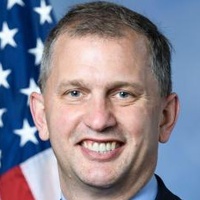
Sean Casten
Representative
IL
Sean Casten
Representative
IL
This bill, the ESP, Paraprofessional, and Education Support Staff Family Leave Act, updates eligibility requirements for certain school employees under the Family and Medical Leave Act (FMLA). It adjusts how paraprofessionals and education support staff meet the required hours of service by using a percentage of expected monthly hours worked during the school year. Furthermore, the bill mandates clear guidelines for calculating FMLA leave entitlement for these employees to account for non-standard school schedules.
The MORE Act seeks to federally decriminalize cannabis, expunge past non-violent federal cannabis convictions, establish reinvestment programs, and open up SBA access for cannabis-related businesses.
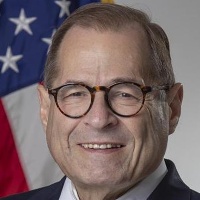
Jerrold Nadler
Representative
NY
Jerrold Nadler
Representative
NY
The Marijuana Opportunity Reinvestment and Expungement (MORE) Act seeks to federally decriminalize cannabis by removing it from the Controlled Substances Act, which will retroactively apply to past offenses. The bill establishes an Opportunity Trust Fund, financed by new cannabis taxes, to reinvest in communities harmed by prohibition. Furthermore, it mandates the expungement of non-violent federal cannabis convictions and opens up Small Business Administration (SBA) programs to legitimate cannabis businesses.
This Act mandates a comprehensive review by the GAO of the GSA's Fine Arts Program, its collection valuation, management adequacy, and potential relocation options.
Dina Titus
Representative
NV
Dina Titus
Representative
NV
The Fine Arts Protection Act of 2025 mandates a comprehensive review of the General Services Administration's (GSA) Fine Arts Program by the Comptroller General. This review will survey the entire art collection, establish its monetary value, and assess the adequacy of current staffing and budget for preservation. The final report will include recommendations on whether the GSA should continue managing this significant public art collection.
The SUN Act mandates timely and detailed congressional reporting and oversight for the domestic deployment of National Guard and reserve forces by the President, excluding deployments solely for natural disaster relief.
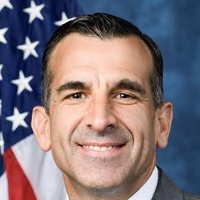
Sam Liccardo
Representative
CA
Sam Liccardo
Representative
CA
The Safeguarding the Use of the National Guard Act (SUN Act) enhances Congressional oversight of the President's domestic deployment of National Guard and reserve forces. It requires the President to submit a detailed report to Congress within 15 days outlining the legal justification, goals, costs, and impact of any domestic deployment. This reporting requirement is waived only when reserve forces are deployed specifically following a Presidential declaration under the Robert T. Stafford Act for a natural disaster.
This bill mandates the reinstatement of involuntarily terminated FEMA employees and requires the continuation of existing critical weather preparedness and recovery programs.
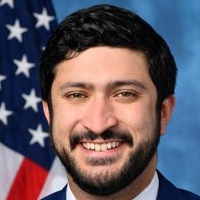
Gregorio Casar
Representative
TX
Gregorio Casar
Representative
TX
The FEMA Critical Staffing Act aims to address increased disaster frequency by immediately reinstating involuntarily separated FEMA employees who wish to return to their positions. This legislation also mandates that the FEMA Administrator must continue all existing, authorized disaster preparedness and recovery programs without making them harder to access. Specifically, the bill requires the immediate restart of the Building Resilient Infrastructure and Communities (BRIC) and flood mitigation assistance programs.
This resolution terminates the President's declared crime emergency in the District of Columbia, asserting that the emergency is unwarranted and the legal basis for federal MPD control is flawed.
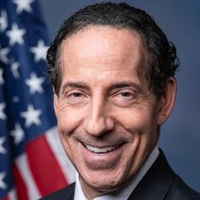
Jamie Raskin
Representative
MD
Jamie Raskin
Representative
MD
This resolution terminates the President's August 11, 2025, declaration of a crime emergency in the District of Columbia. Congress asserts that the President lacks the legal authority under the D.C. Home Rule Act to take operational control of the Metropolitan Police Department. Furthermore, the bill notes that local violent crime rates have been declining significantly.
This resolution officially establishes August 20th as Original Slavery Remembrance Day to recognize the history of slavery, honor those who fought against it, and acknowledge its lasting effects.
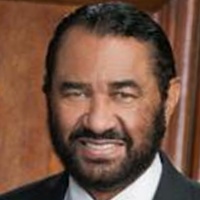
Al Green
Representative
TX
Al Green
Representative
TX
This resolution officially establishes August 20th as **Original Slavery Remembrance Day** to formally recognize and condemn the history of slavery in the U.S. and globally. It commemorates the lives of enslaved people, honors historical figures who fought for freedom, and acknowledges the lasting effects of slavery on contemporary society. The resolution requests the President to issue a proclamation calling for appropriate national observance of this day.