Legislative Activity
Track Donald's sponsored bills, co-sponsored legislation, and voting record
This act extends and increases funding for the Rural Economic Development Loan and Grant Program through 2030 to support rural community revitalization.
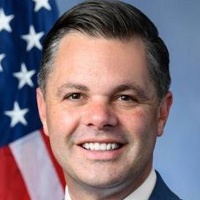
Zachary (Zach) Nunn
Representative
IA
Zachary (Zach) Nunn
Representative
IA
The Revitalizing Rural Communities Act of 2025 extends and increases funding for the Rural Economic Development Loan and Grant Program. This legislation boosts the annual allocation for the program from \$10 million to \$12 million. The increased funding is set to continue for fiscal years 2026 through 2030 to support rural economic growth.
The Safe Step Act mandates that group health plans using medication step therapy establish clear, timely exception processes for patients and doctors when required drugs are medically inappropriate or ineffective.
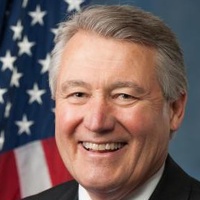
Rick Allen
Representative
GA
Rick Allen
Representative
GA
The Safe Step Act establishes mandatory, transparent exception processes for health plans that use "step therapy" protocols for prescription drugs. This ensures patients or their doctors can quickly request coverage for a prescribed medication when specific clinical criteria are met, such as previous treatment failure or risk of harm. Plans must decide on standard requests within 72 hours and urgent requests within 24 hours, and approved exceptions must last for at least one year. Furthermore, insurers must report detailed data annually on exception requests, approvals, and denials to the Secretary of Health and Human Services.
This bill posthumously awards a Congressional Gold Medal to Welles Remy Crowther for his heroic actions during the September 11, 2001, attacks.
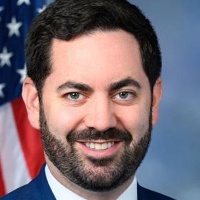
Michael Lawler
Representative
NY
Michael Lawler
Representative
NY
This bill, the Welles Remy Crowther Congressional Gold Medal Act, authorizes the posthumous presentation of a Congressional Gold Medal to Welles Remy Crowther for his extraordinary heroism and sacrifice during the September 11, 2001, attacks. The medal will be presented to his mother, Alison Crowther, on behalf of Congress. The Act also permits the creation and sale of bronze duplicates to cover production costs.
This bill establishes the new H-2C nonimmigrant visa category to allow registered employers in low-unemployment areas to temporarily hire foreign workers for specific, registered positions.
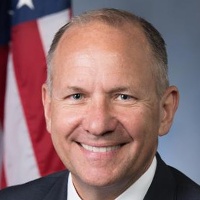
Lloyd Smucker
Representative
PA
Lloyd Smucker
Representative
PA
The Essential Workers for Economic Advancement Act establishes a new temporary visa category, H-2C, designed to allow registered employers in areas with low unemployment to hire foreign workers for specific, registered positions. This bill creates a comprehensive framework defining eligibility, setting numerical caps, and outlining strict requirements for both employers and workers to address labor shortages. It also includes provisions for worker protections, portability, and a mandatory study on the program's economic and social impact.
This act eliminates federal income tax on overtime compensation earned by all workers.
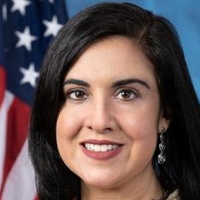
Nicole Malliotakis
Representative
NY
Nicole Malliotakis
Representative
NY
The No Tax on Overtime for All Workers Act amends the tax code to clarify and expand the definition of "qualified overtime compensation." This change ensures that overtime pay earned above a standard rate, whether mandated by the Fair Labor Standards Act or agreed upon beforehand with an employer, is treated favorably for tax purposes. The goal is to incentivize and reward workers for putting in extra hours.
This bill reauthorizes and extends funding for the Special Diabetes Programs through fiscal year 2030 at \$160 million annually.

Diana DeGette
Representative
CO
Diana DeGette
Representative
CO
The Special Diabetes Program Reauthorization Act of 2025 extends critical funding for the Special Diabetes Programs supporting Type 1 diabetes research and prevention. This bill commits $160 million annually for the program from fiscal years 2026 through 2030. The legislation ensures continued support for these vital diabetes initiatives over the next five years.
This Act establishes competitive federal grants to build capacity for workforce training, education, and research at community colleges with agriculture and natural resources programs.
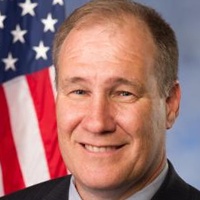
Trent Kelly
Representative
MS
Trent Kelly
Representative
MS
The Community College Agriculture Advancement Act of 2025 establishes a new federal grant program to strengthen agriculture and natural resources programs at community colleges. These competitive grants will help two-year colleges build capacity for workforce training, education, and research. Priority will be given to colleges that partner with local agriculture businesses to provide students with hands-on experience. The Act authorizes $20 million annually to support these vital local and regional agricultural initiatives.
This bill amends the Social Security Act to provide Medicare coverage for FDA-approved multi-cancer early detection screening tests starting in 2028.
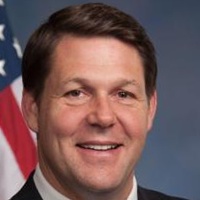
Jodey Arrington
Representative
TX
Jodey Arrington
Representative
TX
The Nancy Gardner Sewell Medicare Multi-Cancer Early Detection Screening Coverage Act amends the Social Security Act to provide Medicare Part B coverage for multi-cancer early detection screening tests starting January 1, 2028. This legislation establishes clear criteria for qualifying tests and outlines payment structures to ensure beneficiaries have access to these advanced diagnostic tools. Importantly, this coverage is designed to complement, rather than replace, existing Medicare-covered cancer screenings.
This Act mandates that new passenger motor vehicles sold in the U.S. must include standard equipment capable of receiving AM broadcast radio signals.

Gus Bilirakis
Representative
FL
Gus Bilirakis
Representative
FL
The AM Radio for Every Vehicle Act of 2025 mandates that the Secretary of Transportation establish a rule requiring AM broadcast radio receivers to be installed as standard equipment in new passenger motor vehicles. This requirement aims to ensure public access to AM radio signals, which are often used for emergency alerts. The bill also directs a GAO study on the effectiveness of AM radio within the national emergency alert system compared to other technologies. Finally, the Act preempts state and local laws on this matter and includes a sunset provision eight years after enactment.
This resolution expresses support for designating the week of September 20 through September 27, 2025, as "National Estuaries Week" to recognize the vital economic and environmental importance of these coastal ecosystems.
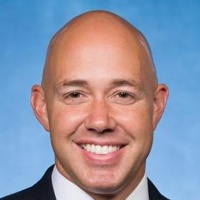
Brian Mast
Representative
FL
Brian Mast
Representative
FL
This resolution expresses strong support for designating the week of September 20 through September 27, 2025, as "National Estuaries Week." It highlights the critical economic and environmental value of estuaries, which support millions of jobs and provide vital natural protection for coastal communities. The bill aims to raise public awareness about the need to protect and restore these essential ecosystems.
This resolution expresses support for and officially designates September 17, 2025, as "Constitution Day" to honor the foundational document as the 250th anniversary approaches.
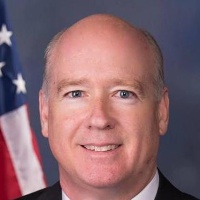
Robert Aderholt
Representative
AL
Robert Aderholt
Representative
AL
This resolution expresses strong support for and officially designates **September 17, 2025, as "Constitution Day."** It recognizes the profound historical importance of the U.S. Constitution as the nation approaches its 250th anniversary. The measure encourages all Americans to observe the day with suitable ceremonies reflecting on the freedoms and responsibilities the document grants.
This Act permanently classifies the entire class of highly potent synthetic opioids known as nitazenes as Schedule I controlled substances to combat overdose deaths.
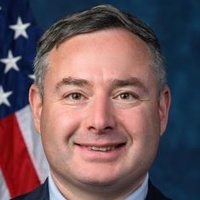
Eugene Vindman
Representative
VA
Eugene Vindman
Representative
VA
The Nitazene Control Act of 2025 permanently classifies the entire class of highly potent synthetic opioids known as nitazenes (2-Benzylbenzimidazole opioids) as Schedule I controlled substances. This action is taken due to their extreme danger, high potential for abuse, and role in fatal overdoses across the country. By scheduling the entire chemical class at once, the bill aims to proactively stop the emergence of new, dangerous analogs. This permanent scheduling subjects nitazenes to the strictest federal controls, mirroring those applied to fentanyl.
This Act ensures the automatic continuation of pay for active duty military personnel and essential civilian support staff if Congress fails to pass a budget for fiscal year 2026.
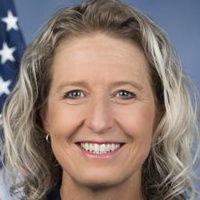
Jennifer Kiggans
Representative
VA
Jennifer Kiggans
Representative
VA
The Pay Our Troops Act of 2026 ensures that active duty military personnel and essential civilian support staff continue to receive their pay if Congress has not yet passed the full budget for fiscal year 2026. This act provides automatic continuing appropriations from the Treasury to prevent a lapse in military salaries due to budget delays. The funding automatically terminates once a new budget or continuing resolution is passed, or on January 1, 2027, whichever comes first.
This Act extends and modifies the temporary authority allowing the VA to contract with qualified healthcare professionals across state lines to conduct medical disability examinations for veterans until September 30, 2031, while requiring a detailed report on the use of these contracts.
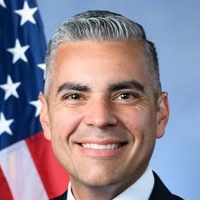
Juan Ciscomani
Representative
AZ
Juan Ciscomani
Representative
AZ
The Rural Veterans’ Improved Access to Benefits Act of 2025 aims to streamline how the Department of Veterans Affairs contracts with outside healthcare professionals to conduct medical disability examinations. This bill expands eligibility for temporary licensing arrangements for these contract workers and extends the authority for these contracts until September 30, 2031. Furthermore, it mandates that the VA report on the usage, cost, and quality of these contracted examination services.
This bill mandates the VA to offer timely employment contracts to Health Professionals Scholarship Program graduates and institutes a comprehensive ban on smoking and vaping within all Veterans Health Administration facilities.
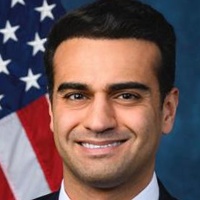
Abraham Hamadeh
Representative
AZ
Abraham Hamadeh
Representative
AZ
The Health Professionals Scholarship Program Improvement Act of 2025 aims to strengthen the VA's healthcare workforce by mandating that the VA offer full-time clinical employment contracts to scholarship graduates within 90 days of their qualification. Additionally, this Act establishes a comprehensive, property-wide ban on all smoking and the use of electronic nicotine delivery systems within Veterans Health Administration facilities. The VA must also report regularly to Congress on the success of these new placement timelines.
This bill allows authorized VA healthcare professionals to prescribe and dispense controlled medications to veterans via telemedicine under specific conditions.
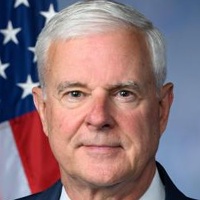
Steve Womack
Representative
AR
Steve Womack
Representative
AR
The Protecting Veteran Access to Telemedicine Services Act of 2025 allows authorized Department of Veterans Affairs (VA) healthcare professionals to prescribe and dispense controlled medications to eligible veterans via telemedicine. This provision removes the prior requirement for an initial in-person visit before prescribing these medications remotely. The VA is required to establish specific regulations detailing the process for this telemedicine delivery while ensuring compliance with existing federal drug control laws.
This act establishes the Expanding Childcare in Rural America Initiative to prioritize federal funding for improving the availability, quality, and affordability of childcare in rural and agricultural communities.
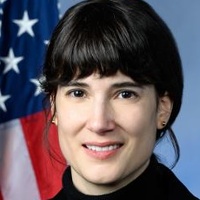
Marie Gluesenkamp Perez
Representative
WA
Marie Gluesenkamp Perez
Representative
WA
The Expanding Childcare in Rural America Act of 2025 establishes a new initiative to improve the availability, quality, and affordability of childcare in rural and agricultural areas. This program directs the Secretary of Agriculture to prioritize funding through existing rural development loan and grant programs for projects that address childcare needs. The initiative specifically favors farming-dependent counties and requires a comprehensive review of the program's impact.
This resolution honors the victims of Hurricane Helene one year later and expresses the House's commitment to supporting the recovery of the affected communities in western North Carolina.
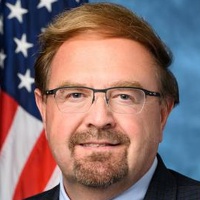
Charles (Chuck) Edwards
Representative
NC
Charles (Chuck) Edwards
Representative
NC
This resolution formally honors the victims of Hurricane Helene one year after the storm devastated western North Carolina. It expresses deep condolences to the affected communities and recognizes the heroic efforts of first responders and volunteers. Furthermore, the resolution affirms Congress's commitment to supporting ongoing recovery and rebuilding efforts in the region.
This bill mandates a GAO study on pediatric liver disease outcomes and establishes a public education program to raise awareness about early detection and living liver donation.
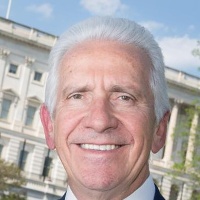
Jim Costa
Representative
CA
Jim Costa
Representative
CA
The Ian Kalvinskas Pediatric Liver Cancer Early Detection and Screening Act aims to improve outcomes for children with liver disease by initiating studies on current federal efforts and waitlist mortality. It mandates the development of a public education program to raise awareness about early liver disease signs and living liver donation. Furthermore, the bill directs an assessment of the cost-effectiveness of adding direct bilirubin testing to newborn screening panels to catch conditions like biliary atresia earlier.
This bill posthumously awards a Congressional Gold Medal to honor the groundbreaking civil rights achievements of Constance Baker Motley and authorizes the production and sale of bronze duplicates.
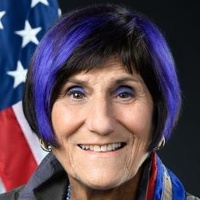
Rosa DeLauro
Representative
CT
Rosa DeLauro
Representative
CT
This bill, the Congressional Tribute to Constance Baker Motley Act of 2025, posthumously awards the Congressional Gold Medal to the pioneering civil rights attorney and federal judge, Constance Baker Motley. The legislation recognizes her historic achievements, including her role in *Brown v. Board of Education* and her service as the first African-American woman appointed as a federal judge. The Secretary of the Treasury is authorized to strike the medal, and provisions are made for selling bronze duplicates to cover production costs.