Legislative Activity
Track Donald's sponsored bills, co-sponsored legislation, and voting record
This Act establishes grant programs to coordinate investments and provide technical assistance for rural development, while also restructuring the Rural Partners Network to improve federal support efficiency for rural communities.
Andrea Salinas
Representative
OR
Andrea Salinas
Representative
OR
The Rural Partnership and Prosperity Act establishes new grant programs to coordinate federal, nonprofit, and private investments in rural areas. It creates the Rural Partnership Program to fund comprehensive development projects and a separate Technical Assistance Grant program to help rural organizations manage grants and plan development. Furthermore, the Act reforms the existing Rural Partners Network to streamline federal assistance and reduce administrative burdens for rural communities.
This bill establishes November 12, 2025, as Creutzfeldt-Jakob Disease (CJD) Awareness Day to raise public awareness about this rare and fatal brain disorder.
David Valadao
Representative
CA
David Valadao
Representative
CA
This bill officially establishes November 12, 2025, as Creutzfeldt-Jakob Disease (CJD) Awareness Day. The purpose is to raise public awareness about this rare, rapidly progressive, and fatal brain disorder. The House of Representatives supports this day to recognize the unique challenges faced by CJD patients and their families.
This Act establishes new deadlines and waiver authorities for the VA to collect copayments from veterans when billing notification is delayed due to VA error.
Lloyd Smucker
Representative
PA
Lloyd Smucker
Representative
PA
The VA Billing Accountability Act establishes new deadlines and procedures for the Department of Veterans Affairs (VA) to notify veterans about copayments for medical care and services. If the VA fails to notify a veteran within specified timeframes (180 days for VA care or 18 months for non-VA care), the bill restricts the VA's ability to collect that payment. The Act also grants the VA Secretary temporary authority to waive copayments resulting from VA billing errors.
This act prohibits the Department of Housing and Urban Development from counting veterans' disability and dependency compensation as household income when determining eligibility and rent for housing assistance programs.
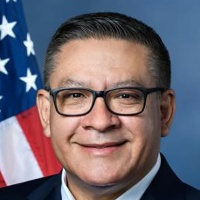
Salud Carbajal
Representative
CA
Salud Carbajal
Representative
CA
The Home for the Brave Act of 2025 ensures that veterans' disability compensation and dependency/indemnity compensation are not counted as household income by the Department of Housing and Urban Development (HUD). This change will positively affect eligibility and the calculation of housing assistance benefits for veterans and their families.
This Act mandates public participation, transparency through required internet postings, and public hearings for all state congressional redistricting processes.
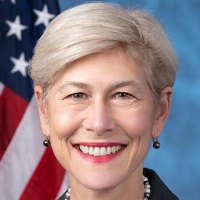
Deborah Ross
Representative
NC
Deborah Ross
Representative
NC
The Redistricting Transparency and Accountability Act of 2025 establishes federal requirements for how states must conduct congressional redistricting following the decennial census. This bill mandates significant public participation, requiring states to hold public hearings and maintain a comprehensive public website detailing all proposed plans and data. The goal is to ensure that the process of drawing congressional districts is open, accessible, and accountable to the public.
This resolution officially recognizes November as "National Bread Month" to celebrate bread's role as a nutritious, affordable, and culturally significant staple food.
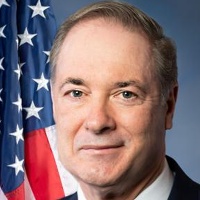
John Joyce
Representative
PA
John Joyce
Representative
PA
This resolution officially recognizes November as "National Bread Month" to celebrate bread's vital role in the American diet. It highlights bread as a nutritious, affordable, and culturally significant staple food that provides essential vitamins and minerals. The bill commends the baking industry and encourages Americans to explore the diversity and benefits of grain foods.
This resolution expresses support for designating October 2025 as "Crime Prevention Month" to promote evidence-based strategies and sustained investment in community safety efforts.

Jim Costa
Representative
CA
Jim Costa
Representative
CA
This resolution expresses strong support for designating October 2025 as "Crime Prevention Month." It recognizes the high costs of crime and commends the efforts of law enforcement, community organizers, and others working to prevent it. The bill encourages federal, state, and local entities to invest in evidence-based prevention strategies and calls upon all citizens to participate in related public safety activities.
This resolution condemns Hamas for assassinating innocent Palestinians in Gaza following a ceasefire agreement.
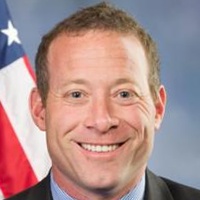
Josh Gottheimer
Representative
NJ
Josh Gottheimer
Representative
NJ
This resolution condemns Hamas for its campaign of assassinations and intimidation against innocent Palestinian civilians in Gaza following a recent ceasefire agreement. The House of Representatives expresses strong disapproval of these terroristic acts aimed at regaining territorial control. Furthermore, the resolution reaffirms the U.S. commitment to supporting the ceasefire and promoting stability for civilians in Gaza.
This bill requires patent owners to consent to the filing of petitions for inter partes review or post-grant review.

Marcy Kaptur
Representative
OH
Marcy Kaptur
Representative
OH
The Balancing Incentives Act of 2025 amends patent law to require the owner of a patent to consent before a third party can file a petition for either an inter partes review or a post-grant review. This legislation introduces a new consent prerequisite for initiating these administrative patent challenge proceedings.
This bill allows state and local election offices to prioritize hiring veterans, individuals with disabilities, and certain nonresident military family members for election work.
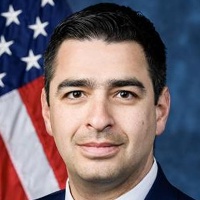
Gabe Evans
Representative
CO
Gabe Evans
Representative
CO
This Act allows state and local election offices the option to prioritize hiring veterans and individuals with disabilities for election work. It also permits election offices to hire nonresident spouses or dependents of active-duty military members serving away from home, without requiring local residency.
This Act mandates that Congress must approve the budget and all appropriations bills by October 1st or Members of Congress will forfeit their pay for the period of non-compliance, effective September 29, 2027.
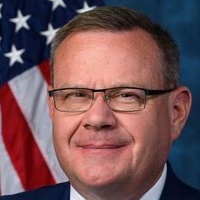
Tim Moore
Representative
NC
Tim Moore
Representative
NC
The No Budget, No Pay Act mandates that Congress must pass the concurrent budget resolution and all necessary appropriations bills by October 1st each year. If Congress fails to meet this deadline, Members of Congress will have their pay suspended for the period of non-compliance. This suspension includes a prohibition on receiving any retroactive back pay for the time they were out of compliance. These provisions are set to take effect starting September 29, 2027.
This Act mandates the creation of a high school curriculum, developed by the U.S. Holocaust Memorial Museum, detailing the antisemitism surrounding the Hamas October 7, 2023, terrorist attacks against Israel.
Josh Gottheimer
Representative
NJ
Josh Gottheimer
Representative
NJ
The October 7 Remembrance Education Act mandates the creation of a high school curriculum focused on the Hamas terrorist attacks against Israel on October 7, 2023. This educational tool must detail the attacks, explore the history of antisemitism leading up to them, and address the spread of related antisemitic rhetoric in the U.S. afterward. The curriculum will be developed by the Director of the U.S. Holocaust Memorial Museum and must adhere to established definitions of antisemitism.
This Act authorizes the presentation of a Congressional Gold Medal to recognize the American hostages and victims of the October 7, 2023, attacks by Hamas.
Josh Gottheimer
Representative
NJ
Josh Gottheimer
Representative
NJ
The October 7 Gold Medal Act authorizes Congress to award a Congressional Gold Medal to recognize the American hostages and victims of the brutal October 7, 2023, terrorist attacks in Israel. This medal honors their suffering, sacrifice, and the resilience shown by their families. The Secretary of the Treasury will strike the medal, and bronze duplicates may be sold to cover production costs. The official gold medal will ultimately be displayed at the Weitzman National Museum of American Jewish History.
This resolution condemns the October 7th Hamas attacks, demands the immediate and unconditional surrender of Hamas and the release of all hostages, and reaffirms support for Israel's right to self-defense while condemning global antisemitism.
Josh Gottheimer
Representative
NJ
Josh Gottheimer
Representative
NJ
This resolution strongly condemns the brutal October 7th attacks by Hamas, demanding the immediate and unconditional surrender of the terrorist group and the release of all hostages, including Americans. It reaffirms Israel's right to self-defense while urging international action against Hamas and condemning the global surge in antisemitism. The measure serves as a formal statement of U.S. policy and support following the attacks.
This Act modernizes recreational fishing data collection, mandates regular stock assessments, and increases transparency in fishery management decisions.
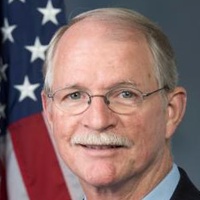
John Rutherford
Representative
FL
John Rutherford
Representative
FL
The Fisheries Data Modernization and Accuracy Act of 2025 aims to significantly improve the reliability and utility of U.S. fisheries data. It mandates reforms to the recreational data collection program (MRIP) by establishing an independent review process when data accuracy falls below set standards. The bill also empowers states to develop and implement their own data collection programs, shifting the federal reliance away from the MRIP baseline. Finally, it requires the establishment of a regular schedule for updating crucial fish stock assessments and promotes the use of independent, external scientific surveys in federal management decisions.
This Act provides appropriations and mandates contract price adjustments to compensate federal contractor employees for losses incurred due to funding lapses or government shutdowns.
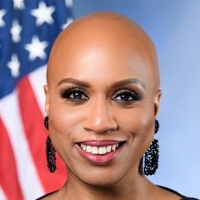
Ayanna Pressley
Representative
MA
Ayanna Pressley
Representative
MA
The Fair Pay for Federal Contractors Act of 2025 ensures that employees of federal contractors are compensated for losses incurred due to government funding lapses or shutdowns. It requires federal agencies to adjust existing contracts to cover reasonable costs associated with furloughs, pay cuts, or mandatory leave taken by contractor employees. The bill appropriates necessary funds to cover these contract price adjustments and mandates public reporting on the compensation provided.
This act expands physical therapists' participation in the National Health Service Corps loan repayment program and ensures Medicare coverage for their services at Rural Health Clinics and Federally Qualified Health Centers.

Diana DeGette
Representative
CO
Diana DeGette
Representative
CO
The Physical Therapist Workforce and Patient Access Act of 2025 aims to increase patient access to physical therapy, recognizing its importance in pain management and recovery. This bill integrates physical therapists into the National Health Service Corps, making them eligible for loan repayment in underserved areas. Furthermore, it mandates that Medicare Rural Health Clinics and Federally Qualified Health Centers cover physical therapy services starting in 2027.
This Act mandates a three-notice system and public awareness campaign to ensure TRICARE beneficiaries are clearly informed about upcoming coverage transition requirements.
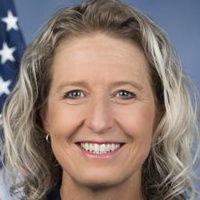
Jennifer Kiggans
Representative
VA
Jennifer Kiggans
Representative
VA
The TRICARE Transition Transparency Act of 2025 mandates that the Secretary of Defense provide TRICARE beneficiaries with proactive, multi-stage electronic notifications before coverage transition requirements take effect. This ensures beneficiaries are clearly informed about necessary actions, such as re-enrollment due to age limits. The Act also requires a public awareness campaign and annual reporting to Congress on the effectiveness of these notification efforts.
The Patients Deserve Price Tags Act mandates comprehensive price transparency for hospitals, labs, and ambulatory surgical centers, strengthens cost disclosure for health plans, and requires itemized billing and detailed Explanation of Benefits for patients.
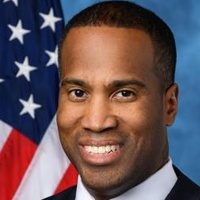
John James
Representative
MI
John James
Representative
MI
The Patients Deserve Price Tags Act aims to significantly increase healthcare price transparency across the board. It mandates that hospitals, clinical diagnostic laboratories, and ambulatory surgical centers must publicly post detailed, consumer-friendly pricing information, including negotiated rates and cash prices. Furthermore, the bill strengthens requirements for health plans to provide real-time cost-sharing estimates and mandates itemized Explanation of Benefits (EOBs) and itemized bills to consumers after receiving care. Finally, it increases fiduciary oversight by requiring group health plans to gain greater access to claims and payment data from their service providers.
This act extends and increases funding for the Rural Economic Development Loan and Grant Program through 2030 to support rural community revitalization.
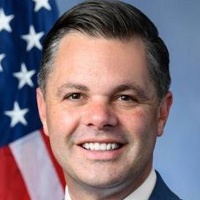
Zachary (Zach) Nunn
Representative
IA
Zachary (Zach) Nunn
Representative
IA
The Revitalizing Rural Communities Act of 2025 extends and increases funding for the Rural Economic Development Loan and Grant Program. This legislation boosts the annual allocation for the program from \$10 million to \$12 million. The increased funding is set to continue for fiscal years 2026 through 2030 to support rural economic growth.