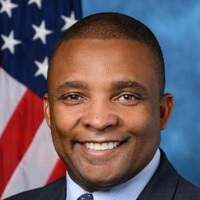
Legislative Activity
Track Donald's sponsored bills, co-sponsored legislation, and voting record
The NEDD Act grants the Secretary of Energy specific authority to procure, operate, and utilize certain foreign-sourced unmanned aircraft systems deemed a national security risk, and expands their power to protect nuclear assets from drone threats.
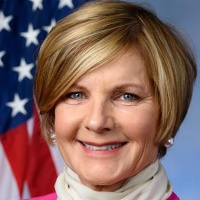
Susie Lee
Representative
NV
Susie Lee
Representative
NV
The Nuclear Ecosystem Drone Defense (NEDD) Act grants the Secretary of Energy specific authority to procure and operate certain foreign-sourced drones otherwise restricted for federal use. This legislation carves out exceptions for the Department of Energy from existing prohibitions on acquiring or using covered unmanned aircraft systems from flagged foreign entities. Additionally, the bill expands the Secretary of Energy's power to protect sensitive nuclear assets and related facilities from drone threats.
The Air America Act of 2025 authorizes one-time monetary awards to former Air America employees or their survivors for service supporting the CIA between 1950 and 1976.
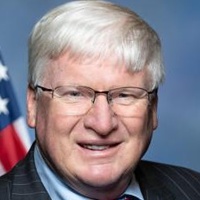
Glenn Grothman
Representative
WI
Glenn Grothman
Representative
WI
The Air America Act of 2025 recognizes the sacrifices of former Air America employees who served the U.S. Government between 1950 and 1976. This Act authorizes a one-time monetary award, up to $40,000 plus potential additional amounts, for qualifying service members or their survivors. The CIA Director is responsible for administering these payments, which are capped at a total of $60 million, and establishing the application procedures. Decisions made by the Director regarding these awards are final and not subject to judicial review.
The Down East Remembrance Act officially designates several specific creeks with new, permanent names for use in all federal records and maps.
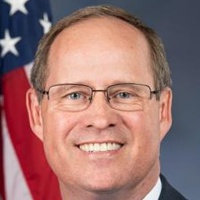
Gregory Murphy
Representative
NC
Gregory Murphy
Representative
NC
The Down East Remembrance Act officially designates several specific creeks with new, permanent names recognized by the U.S. government. This legislation assigns names like Noah Styron Creek and Hunter Parks Creek based on precise geographic coordinates. Moving forward, all federal records and documents must use these newly established official names for the designated waterways.
This bill restores protections to prevent private health insurance plans from discriminating against dialysis patients with End-Stage Renal Disease (ESRD) or shifting their treatment costs unfairly onto Medicare.
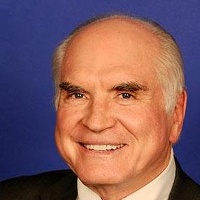
Mike Kelly
Representative
PA
Mike Kelly
Representative
PA
The Restore Protections for Dialysis Patients Act aims to prevent private health insurance plans from discriminating against patients with End-Stage Renal Disease (ESRD). This legislation clarifies that plans cannot offer worse benefits or unfairly limit coverage for dialysis treatments compared to other medical services. Furthermore, it stops these plans from shifting the primary financial responsibility for ESRD care onto Medicare. The bill maintains existing rules ensuring fair treatment while preserving a health plan's ability to select its network of dialysis providers.
This bill requires the Coast Guard to retain enlisted members with 18 or more, but less than 20, years of service until they qualify for retirement, with specific provisions for Reserve members.
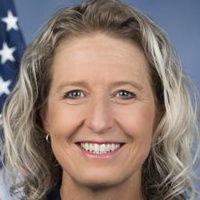
Jennifer Kiggans
Representative
VA
Jennifer Kiggans
Representative
VA
This bill amends federal law to require the Coast Guard to retain certain enlisted members who have served 18 or more, but less than 20, years of service. It prevents the involuntary separation or non-reenlistment of these long-serving members until they reach 20 years of service for retirement eligibility. This provision applies to both Regular and Reserve enlisted personnel serving on active duty.
The PARA-EMT Act of 2025 establishes pilot grant programs to combat the national shortage of EMTs and paramedics by funding recruitment, training, and veteran credentialing, alongside mandating a comprehensive study of the workforce crisis.
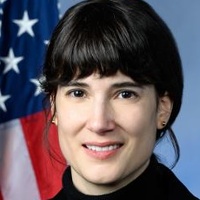
Marie Gluesenkamp Perez
Representative
WA
Marie Gluesenkamp Perez
Representative
WA
The PARA-EMT Act of 2025 addresses the critical national shortage of EMTs and paramedics by establishing a pilot grant program to help agencies hire, train, and support their emergency medical workforce. It also creates a federal grant program to assist states in streamlining the transition of veterans with military medical training into civilian EMS roles. Finally, the bill mandates a comprehensive study to quantify the current and projected workforce shortage and recommend solutions, including potential visa considerations.
This Act expands eligibility for certain SNAP benefits for veterans based on specific disability ratings or pension status, effective October 1, 2030.
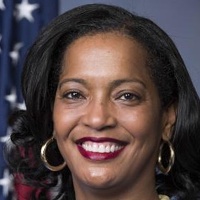
Jahana Hayes
Representative
CT
Jahana Hayes
Representative
CT
The Feed Hungry Veterans Act of 2025 expands eligibility for certain food assistance benefits for veterans. It updates the criteria for veterans based on service-connected disability ratings and adds specific categories of disabled or pensioned veterans who will now qualify. These changes are scheduled to take effect on October 1, 2030.
This Act establishes a voluntary apprenticeship program, overseen by the Secretary of Transportation, to create a pipeline of qualified commercial pilots through certified flight training providers.
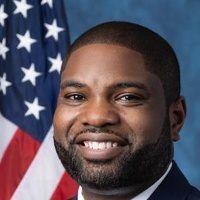
Byron Donalds
Representative
FL
Byron Donalds
Representative
FL
The Pre-Pilot Pathway Act establishes a new, voluntary apprenticeship program designed to create a steady pipeline of qualified commercial pilots. This program allows certified flight training providers to enroll apprentices who must complete all standard flight curriculum requirements. The Secretary of Transportation is tasked with overseeing the program, setting regulations, and encouraging experienced pilots to become instructors. Annual reports will track the program's effectiveness in addressing pilot shortages.
This Act establishes the authority to create trusted trade agreements to diversify and strengthen the U.S. medical supply chain against future crises.
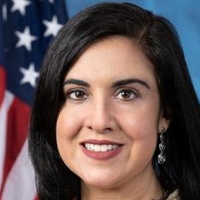
Nicole Malliotakis
Representative
NY
Nicole Malliotakis
Representative
NY
The Medical Supply Chain Resiliency Act aims to secure the U.S. supply of critical medical goods by diversifying trade relationships and reducing reliance on high-risk sources. It authorizes the President to enter into special "trusted trade partner agreements" that lower trade barriers with reliable allies. These agreements focus on regulatory cooperation, intellectual property protection, and ensuring supply chain stability during public health emergencies. The bill also establishes strict reporting and oversight mechanisms for Congress before any such agreement can take effect.
This bill revises physician self-referral rules to create a special exemption for certain rural, physician-owned hospitals and removes expansion restrictions for existing physician-owned hospitals.
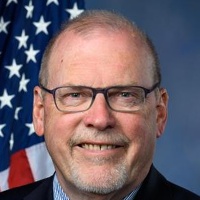
H. Griffith
Representative
VA
H. Griffith
Representative
VA
The Physician Led and Rural Access to Quality Care Act revises physician self-referral rules to improve healthcare access in underserved areas. Specifically, it creates a new exception allowing physician self-referrals to hospitals located in designated rural areas that meet specific distance requirements. Furthermore, the bill removes existing restrictions that previously limited the expansion of services at physician-owned hospitals.
The Innovative FEED Act of 2025 establishes a new regulatory pathway under the FDA for substances added to animal food intended to modify digestive byproducts, reduce foodborne pathogens, or alter gut function without providing nutrition.
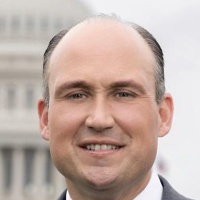
Nicholas Langworthy
Representative
NY
Nicholas Langworthy
Representative
NY
The Innovative FEED Act of 2025 establishes a new regulatory category for "zootechnical animal food substances" intended to modify animal digestive byproducts or reduce foodborne pathogens without treating disease. This bill mandates that these new substances must undergo the standard food additive approval process with the FDA, requiring petitioners to provide extensive data on their intended effects. Approval is contingent upon proving the substance achieves its claimed function under proposed use conditions, and all resulting animal food must carry a specific disclaimer stating it is not for disease treatment.
The Fight for Families Act of 2025 makes the federal tax credit for qualified special needs adoption expenses partially refundable, allowing eligible taxpayers to receive money back even if they owe no tax.
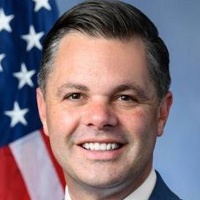
Zachary (Zach) Nunn
Representative
IA
Zachary (Zach) Nunn
Representative
IA
The Fight for Families Act of 2025 makes a portion of the federal tax credit for adopting children with special needs refundable. This means eligible families can receive money back as a refund, even if they owe no taxes. The refundability applies specifically to the amount of the credit tied to their special needs adoption expenses.
The HELPER Act of 2025 establishes a new FHA mortgage insurance program offering 100% financing with an upfront premium and no monthly premiums for eligible first responders, educators, and law enforcement officers.
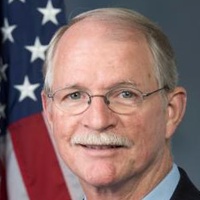
John Rutherford
Representative
FL
John Rutherford
Representative
FL
The HELPER Act of 2025 establishes a new FHA mortgage insurance program to assist first responders, educators, and law enforcement officers in purchasing homes. This program offers eligible first-time homebuyers 100% financing with no down payment required. Instead of monthly premiums, borrowers pay an upfront FHA insurance premium at closing.
This act exempts individuals and businesses deriving at least 75% of their adjusted gross income from farming, ranching, or forestry from certain payment limitations for specified agricultural disaster programs.
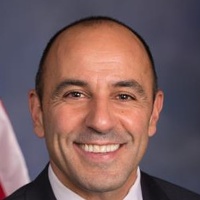
Jimmy Panetta
Representative
CA
Jimmy Panetta
Representative
CA
The Fair Access to Agriculture Disaster Programs Act creates an exception to income limits for certain federal agriculture disaster payments. This exception applies to individuals or businesses where at least 75% of their average adjusted gross income is derived from farming, ranching, or forestry. Consequently, these deeply involved agricultural producers will not be subject to standard payment caps on specific disaster assistance programs.
The Save Our Shipyards Act of 2025 establishes the National Commission on the Maritime Industrial Base to study the U.S. maritime industry and recommend policies to strengthen it for national defense and economic competitiveness.
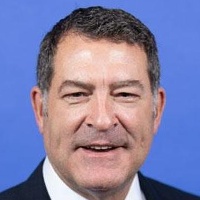
Mark Green
Representative
TN
Mark Green
Representative
TN
The Save Our Shipyards Act of 2025 establishes the National Commission on the Maritime Industrial Base (the SOS Commission). This group is tasked with thoroughly investigating the current state and future needs of the U.S. maritime industrial base, particularly concerning national defense readiness. The Commission must then deliver a public report detailing its findings and policy recommendations to strengthen domestic shipbuilding, repair capabilities, and the maritime workforce.
This bill expands eligibility for veterans who served in Guam between August 15, 1958, and July 31, 1980, to receive a presumption of service connection for diseases associated with herbicide exposure.
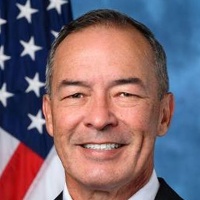
James (Jim) Moylan
Representative
GU
James (Jim) Moylan
Representative
GU
The Correcting Guam's History in the PACT Act expands eligibility for veterans who served in Guam to receive a presumption of service connection for diseases linked to herbicide exposure. This change specifically covers service in Guam between August 15, 1958, and July 31, 1980. Coverage for veterans who served in American Samoa remains unchanged.
This Act establishes grants to help medical and osteopathic schools, particularly those in underserved areas, expand programs to increase the number of doctors serving diverse and medically needy communities.
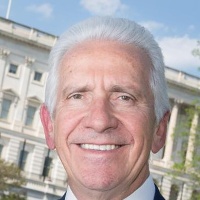
Jim Costa
Representative
CA
Jim Costa
Representative
CA
The Expanding Medical Education Act establishes new federal grants to help medical and osteopathic schools establish, upgrade, or expand programs, prioritizing those in medically underserved areas. These funds are intended to support the recruitment and training of diverse students, particularly those from disadvantaged backgrounds, and develop curricula focused on culturally competent care. The Secretary of HHS must report regularly to Congress on the impact of these grants on the healthcare workforce in underserved communities.
This bill grants U.S. Armed Forces members serving in Kenya, Mali, Burkina Faso, and Chad the same tax benefits as those serving in designated combat zones.
Jimmy Panetta
Representative
CA
Jimmy Panetta
Representative
CA
This bill extends combat zone tax benefits to members of the Armed Forces serving in Kenya, Mali, Burkina Faso, and Chad. It treats these locations as "qualified hazardous duty areas" for tax purposes, applying the same favorable rules used for official combat zones. This change impacts filing deadlines, income exclusions, and tax liability for service members in these specific regions.
This act establishes a mandatory, value-based case rate payment system for Medicare radiation oncology services to incentivize quality care and cost efficiency while protecting patient access and offering transportation assistance.
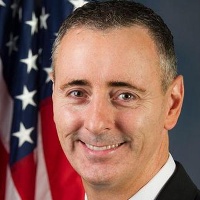
Brian Fitzpatrick
Representative
PA
Brian Fitzpatrick
Representative
PA
The Radiation Oncology Case Rate Value Based Program Act of 2025 establishes a new Medicare payment system that pays providers a single, set rate for an entire episode of radiation therapy care, rather than paying for individual services. This program aims to incentivize high-quality, efficient care while achieving cost savings for Medicare. It also includes specific provisions to support patient access, such as a health equity bonus for addressing transportation insecurity. Finally, the bill exempts the savings generated by this new payment structure from standard Medicare budget neutrality adjustments.
This Act extends the eligibility period for beginning and veteran farmers and ranchers to receive enhanced crop insurance premium assistance.
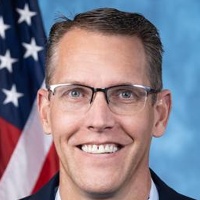
Randy Feenstra
Representative
IA
Randy Feenstra
Representative
IA
The Crop Insurance for Future Farmers Act expands eligibility for enhanced crop insurance support by increasing the definition of a "beginning farmer or rancher" from five to ten crop years. This legislation also extends the qualifying period for "veteran farmers and ranchers" under the same terms. Furthermore, it restructures the premium assistance structure for these groups, providing tiered, decreasing levels of extra financial help over their first ten years of participation.